
Baby Helmets for Flat Head Syndrome
Helmet treatment for plagiocephaly and brachycephaly in Emerald Park, just outside Regina, for families across Saskatchewan. Measured with a 3D scan at every visit.
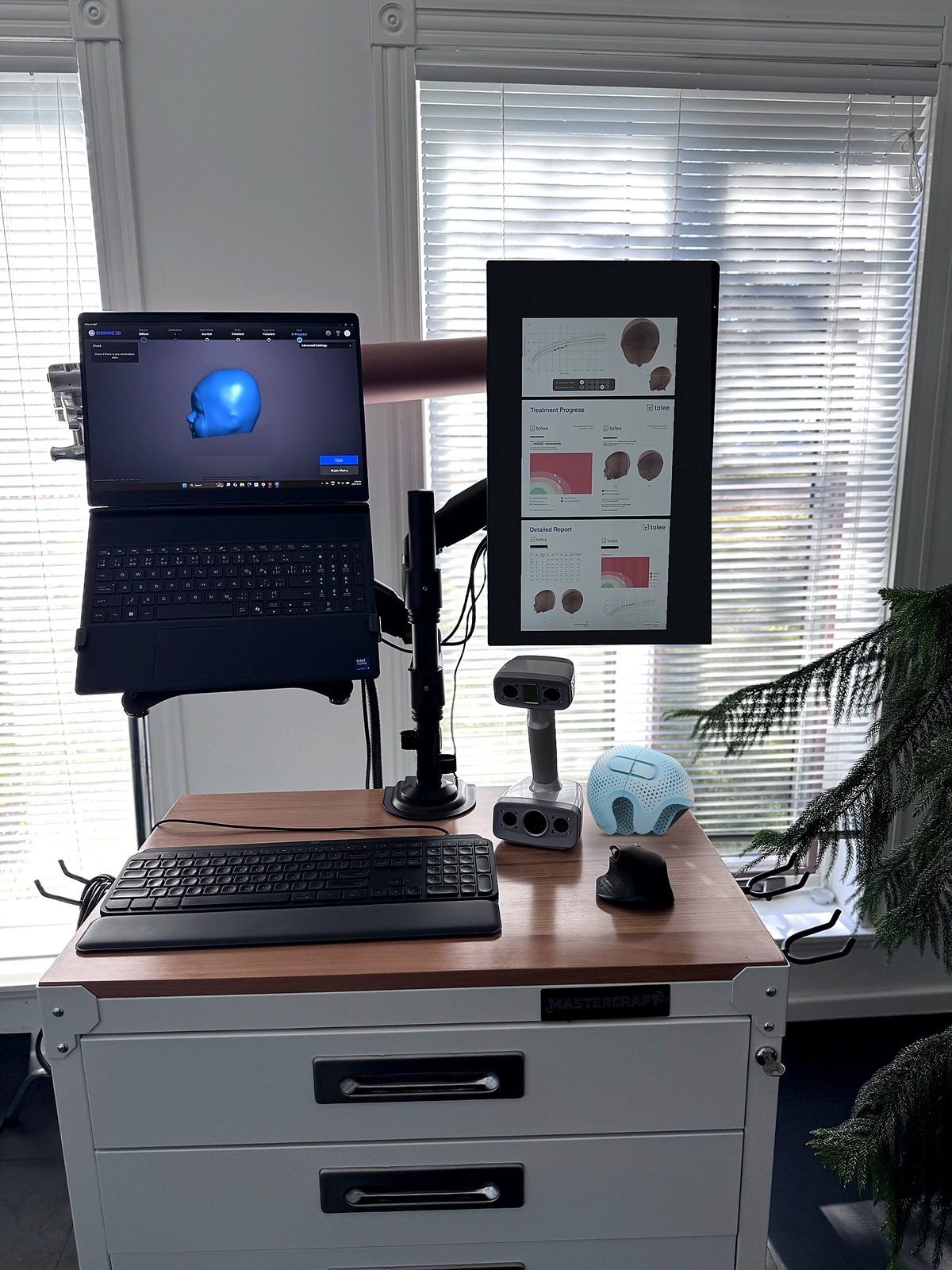
3D scan
Quick, with a soft cap
14-day goal
From scan to helmet fitting
One helmet
Adjusts as your baby grows
Close to home
Just outside Regina
Is it flat head?
Look down at your baby’s head from above, ideally at bath time. One side of the back may look flatter, one ear may sit further forward, or the head may look wide and flat across the back. Babies who always turn one way are more likely to develop a flat spot.
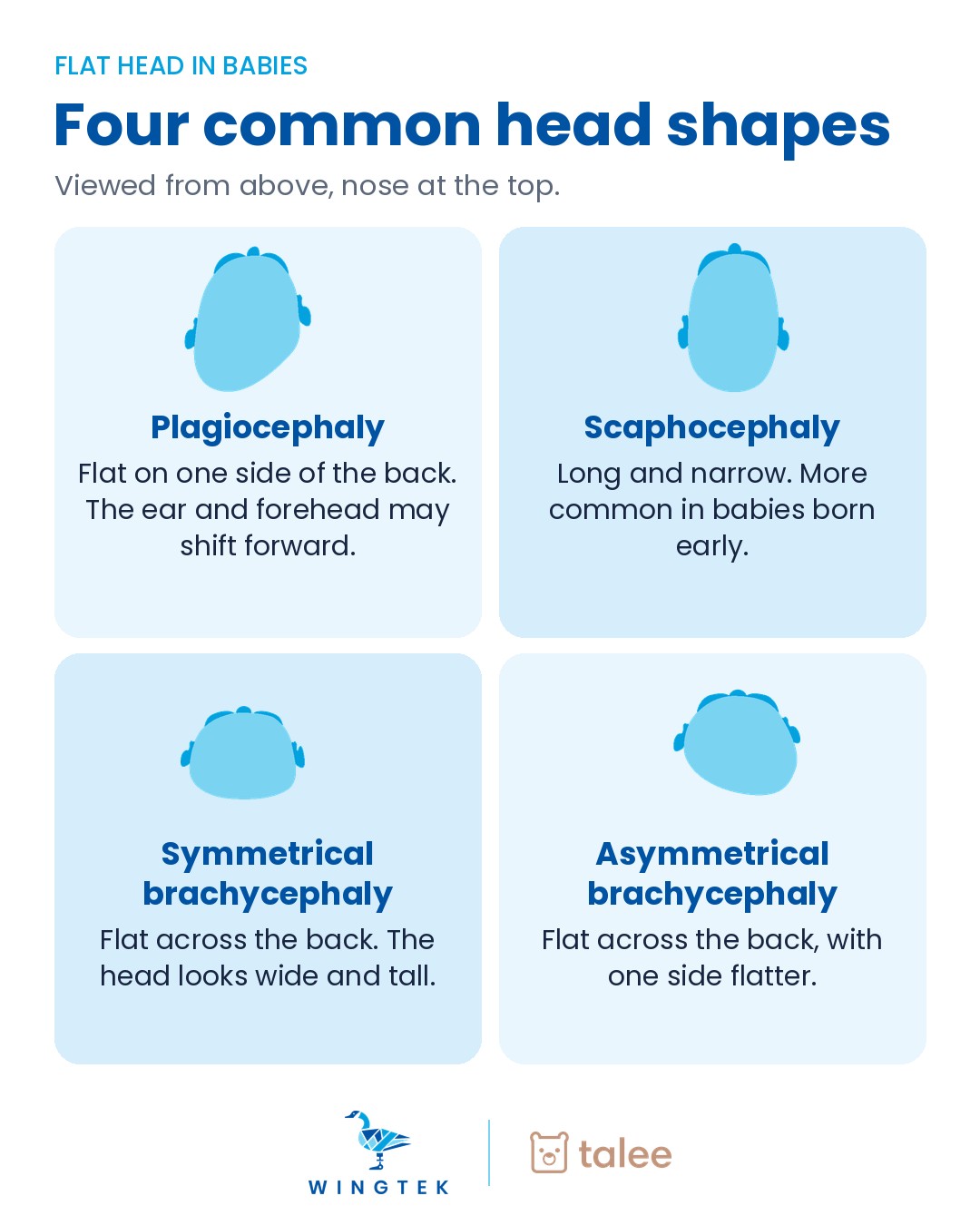
A flat head is not just cosmetic. It can shift the ears, forehead and jaw, affect how the eyes line up, and make sports helmets and glasses fit poorly later on.
When to check
Our approach
- Measured, not guessed. A 3D scan at every visit shows exactly how your baby’s head is changing. You and your doctor get the numbers.
- One helmet that adjusts. The Talee 2in1 helmet changes inner layers as your baby grows. Invent Medical reports one helmet completes treatment in about 98% of cases.
- A fast start. Production is fast-tracked, with a goal of fitting within 14 days of the scan, because the skull grows fastest early.
- Close to home. Care from a Certified Orthotist, CO(c), in Emerald Park, just outside Regina.
- Part of your care team. We send reports to your doctor and work alongside your physiotherapist and pediatrician.
What to expect
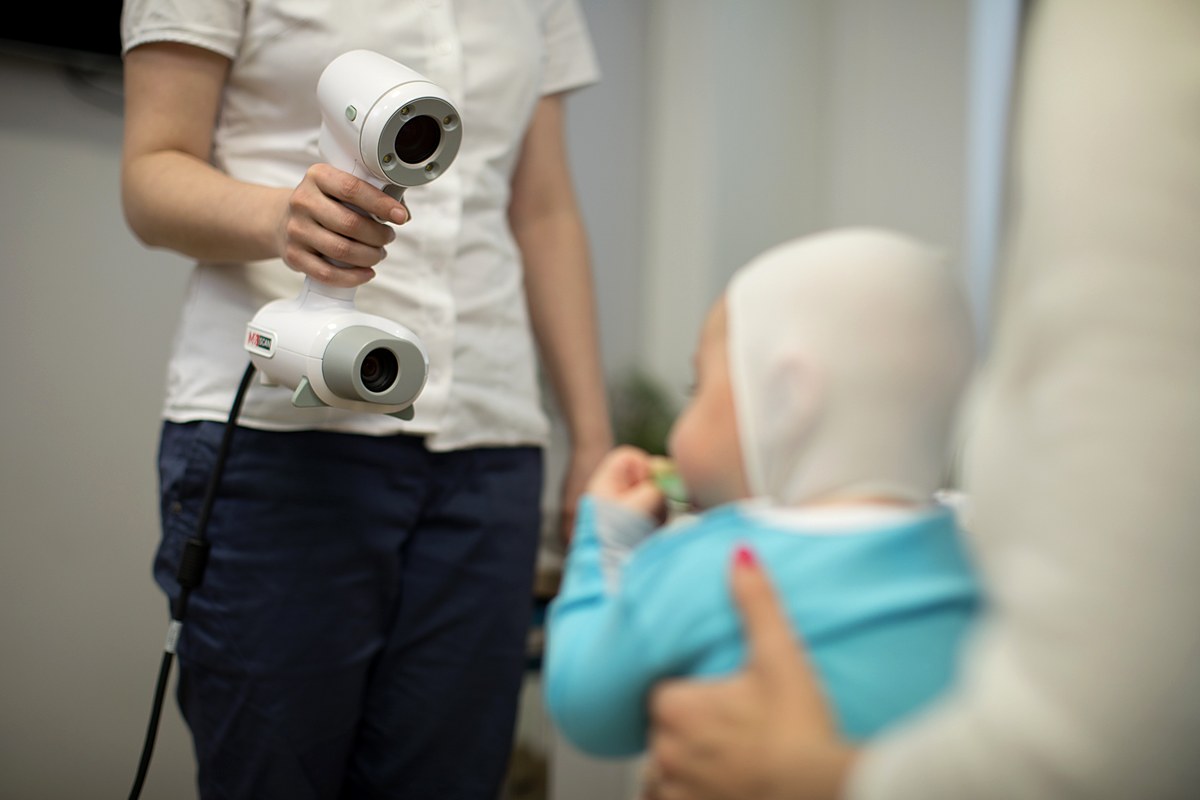
- Consultation: we talk through your concerns and take a quick 3D scan. Your baby wears a soft, stretchy cap over the head and a cape over the shoulders while a handheld scanner records the head shape.
- Results: the scan measures how uneven (CVAI) and how wide (CI) the head is. Mild flattening gets repositioning guidance and a rescan. For moderate to severe flattening, you and your doctor receive a report with the measurements to help decide on treatment.
- Referral and fitting: a referral from your doctor is needed before the helmet is made and dispensed. Our goal is to fit your baby’s custom helmet within 14 days of the scan.
- Follow-up: usually 5 to 6 visits, each with a scan, so every adjustment is guided by measured change.
The Talee helmet
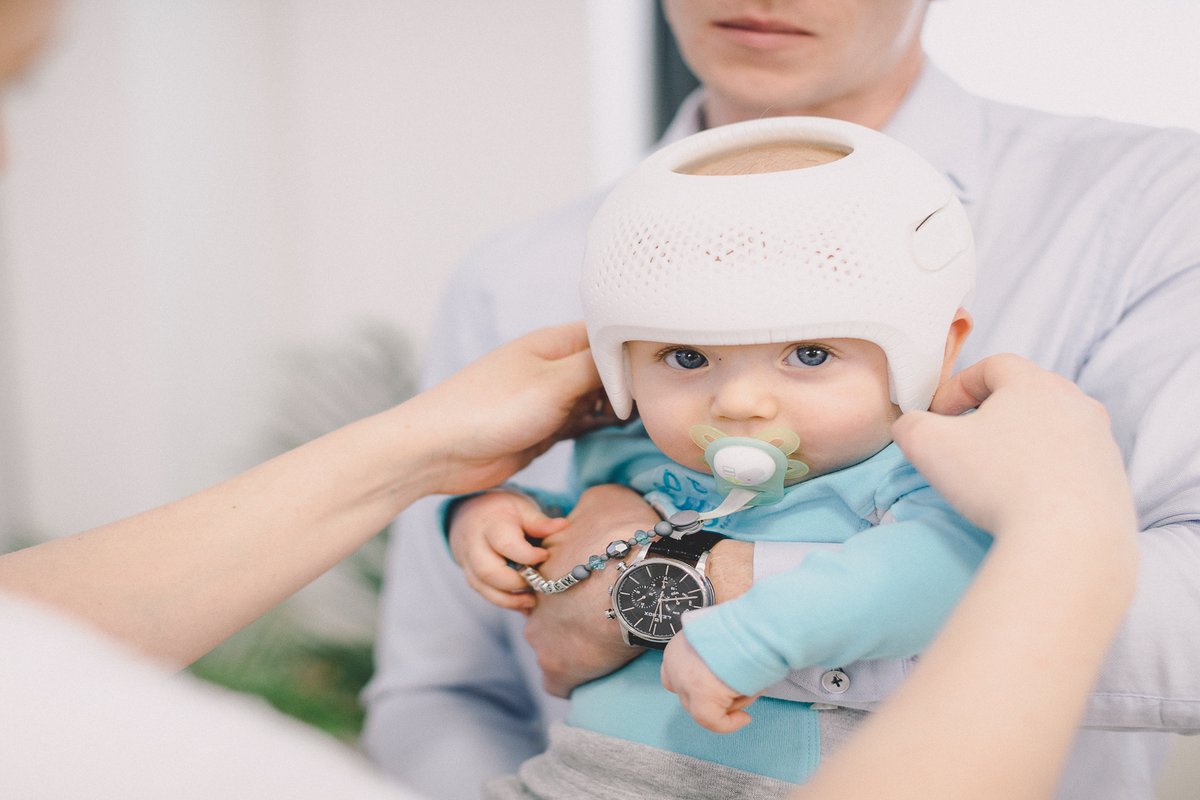
Talee is a thin, light, breathable 3D-printed helmet made from your baby’s scan by Invent Medical. Families choose a colour, a name and a symbol, and get progress reports with charts and 3D views, plus the Talee Parents app for support at home.
For doctors and therapists
Refer by fax to 1 (306) 912-7807 with the baby’s name, date of birth, parent contact and your concern, or use our online referral. We contact the family to book. For moderate to severe flattening, you receive a report with the 3D measurements, giving you objective data to decide whether a helmet is indicated and to prescribe. A referral is required before a helmet is dispensed. Suspected craniosynostosis should be assessed by a physician or neurosurgery first.
Common questions
Do I need a referral?
You can book a consultation and scan without one. A referral from your doctor is needed before a helmet can be made and dispensed. If you do not have one yet, we send the scan report to your doctor to help them decide. Ideally, babies with a flat head are also seen by a pediatric physiotherapist and a pediatrician.
What is the best age for a baby helmet?
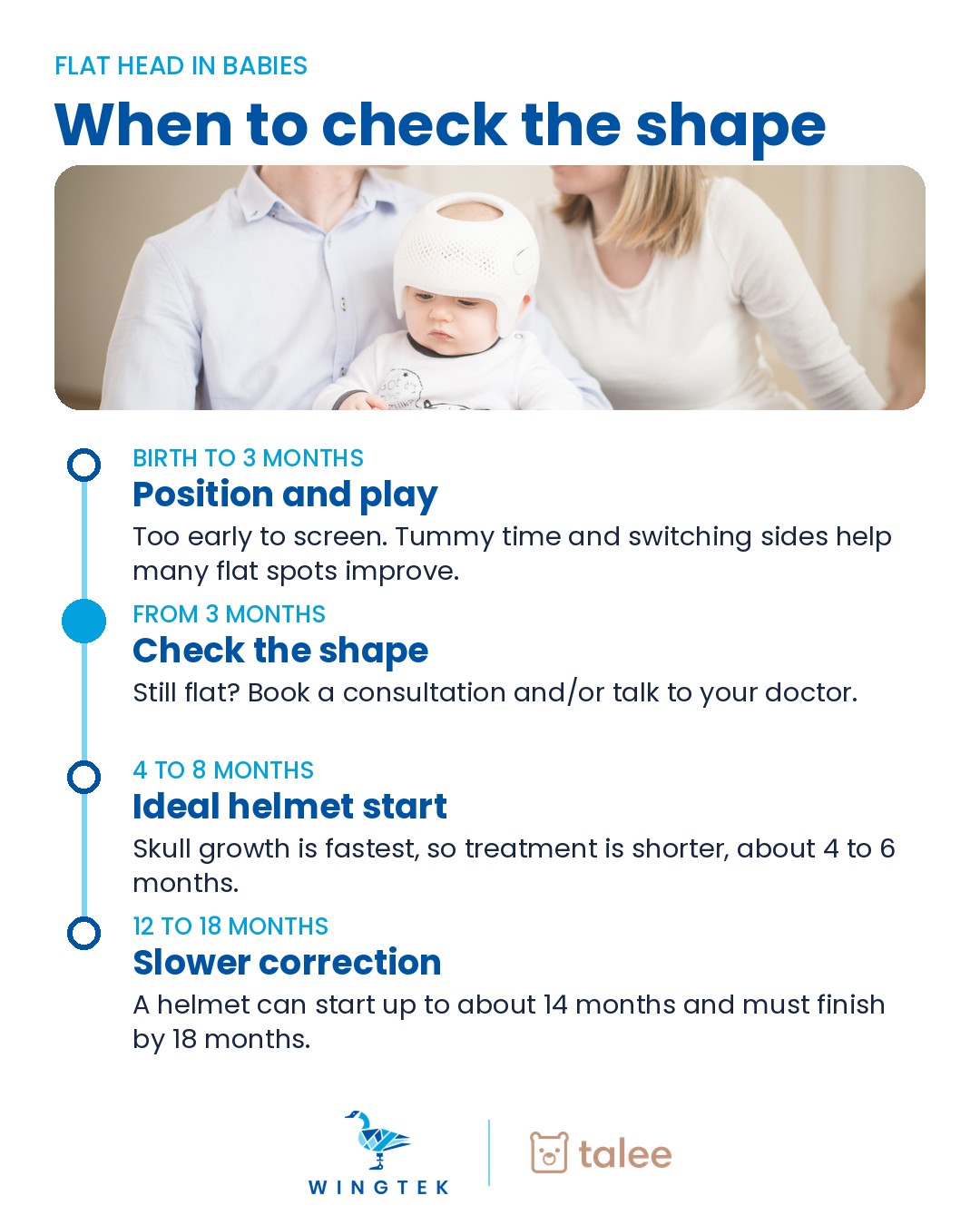
Screening starts after 3 months. The best time to start a helmet is 4 to 8 months, while the skull grows fastest. A helmet can start up to about 14 months and must finish by 18 months.
How long does treatment take?
Usually 4 to 6 months for babies under 12 months. The helmet is worn about 23 hours a day after a 5-day break-in.
Does the 3D scan hurt?
No. Your baby wears a soft, stretchy cap over the head and a small cape over the shoulders. The handheld scanner does not touch your baby and takes only a few moments.
Can I get a Talee helmet in Saskatchewan?
Yes. WingTek fits Talee helmets, made by Invent Medical, in Emerald Park just outside Regina, for families across Saskatchewan.
How soon can my baby start?
Once we have your doctor’s referral, production is fast-tracked. Our goal is to fit your baby’s helmet within 14 days of the scan, which allows time for production and delivery.
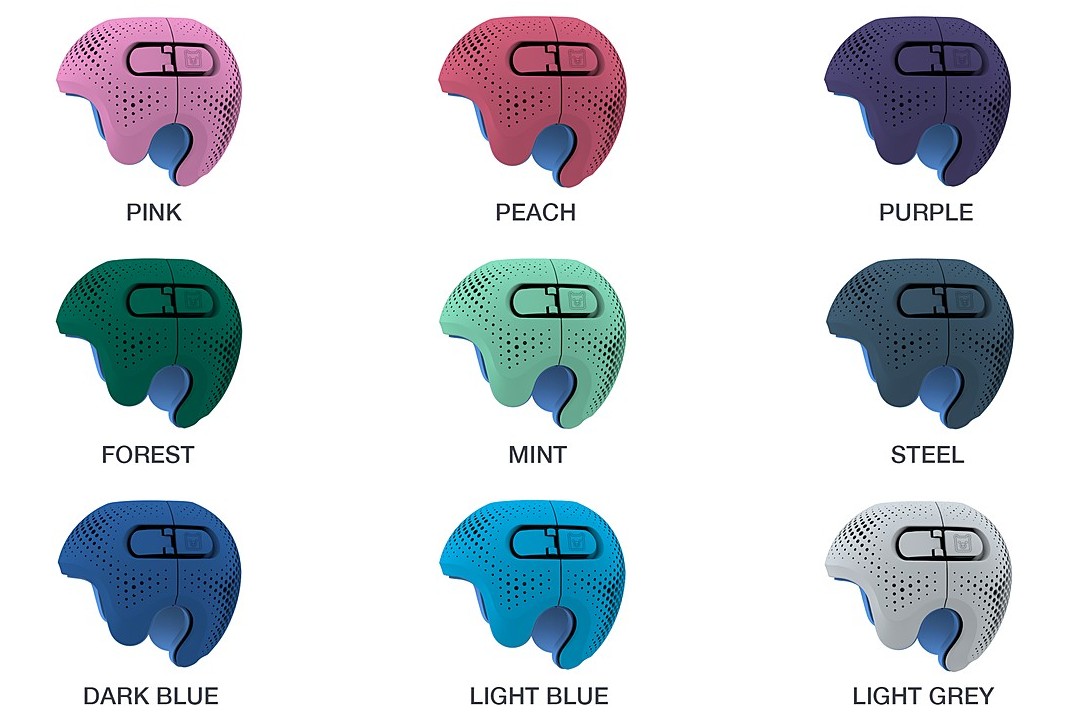
Pick your baby’s colour
Questions? Call or text 306-566-4666.