Combining Botox with casting during the 7–21 day window maximizes muscle relaxation for a more accurate orthosis fit, improving mobility and comfort for individuals with spasticity.
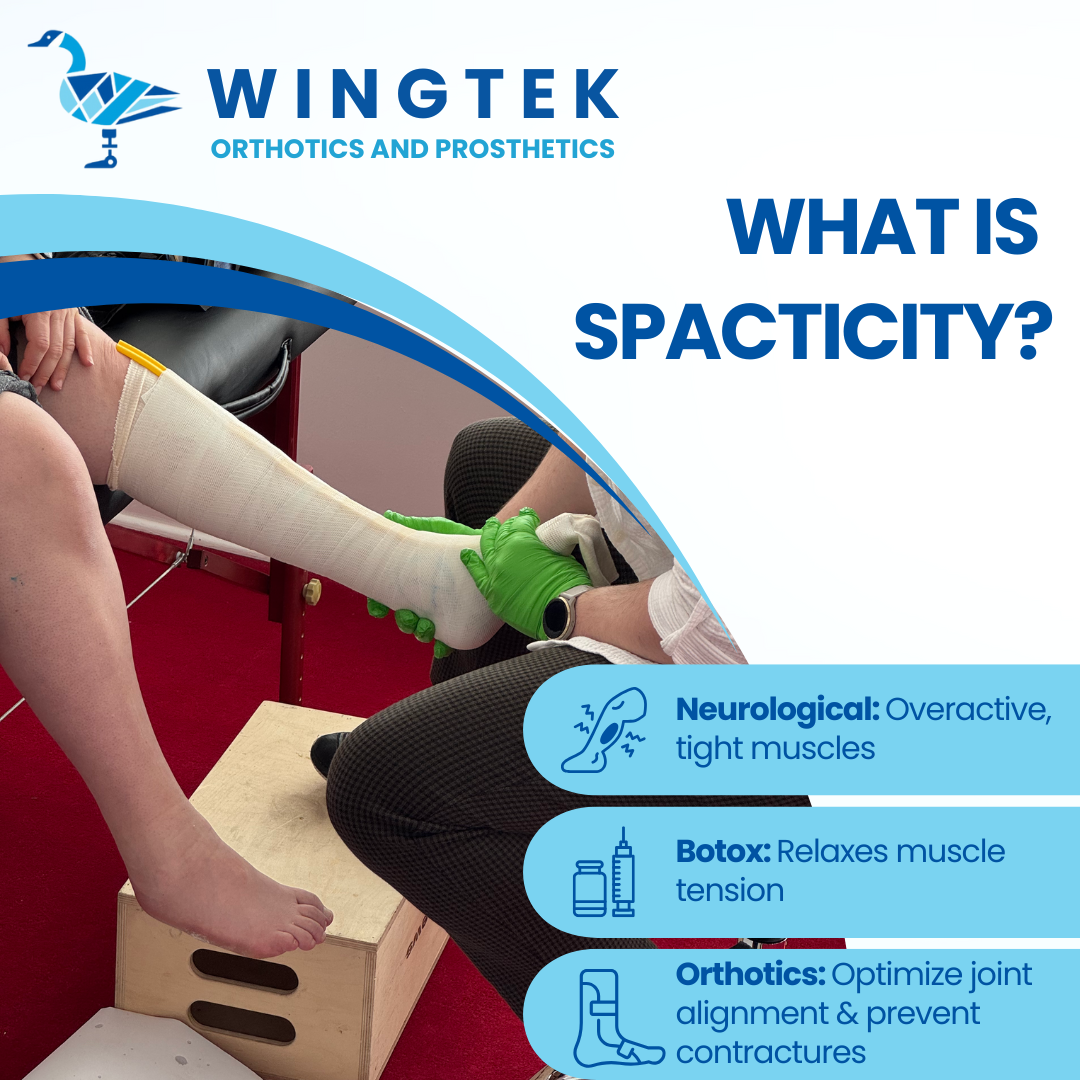
What Is Spasticity?
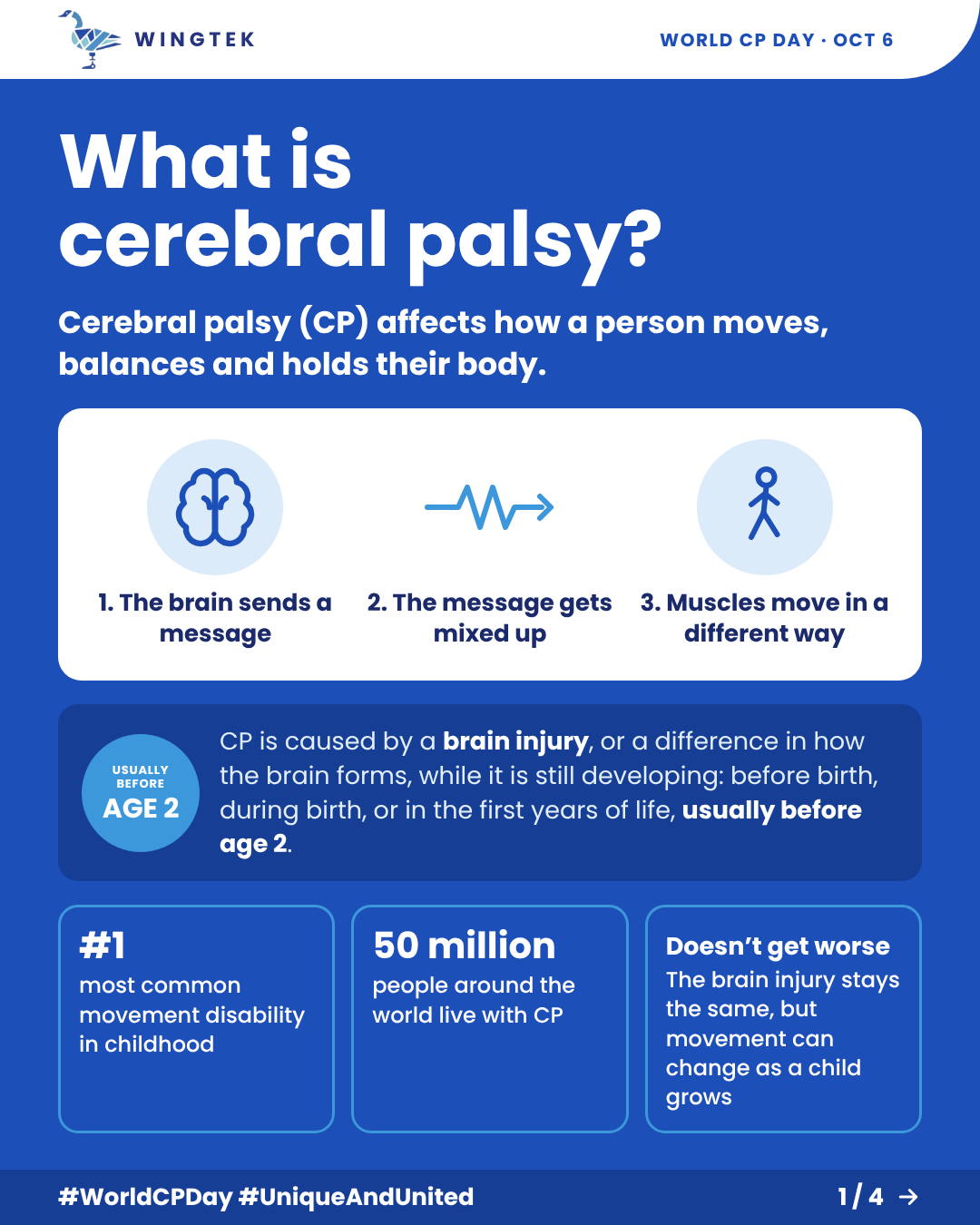
A neurological condition where muscles remain abnormally tight, often seen in cerebral palsy, stroke, or multiple sclerosis.
Botulinum toxin (Botox) temporarily relaxes overactive muscles by blocking nerve signals. Its peak effect usually occurs 7–21 days post-injection, making this the optimal time to address muscle tightness.
Why Casting Instead of Scanning?
True Position: A spastic limb doesn’t relax easily for 3D scanning. Casting gently stretches and holds the limb in an ideal, corrected position.
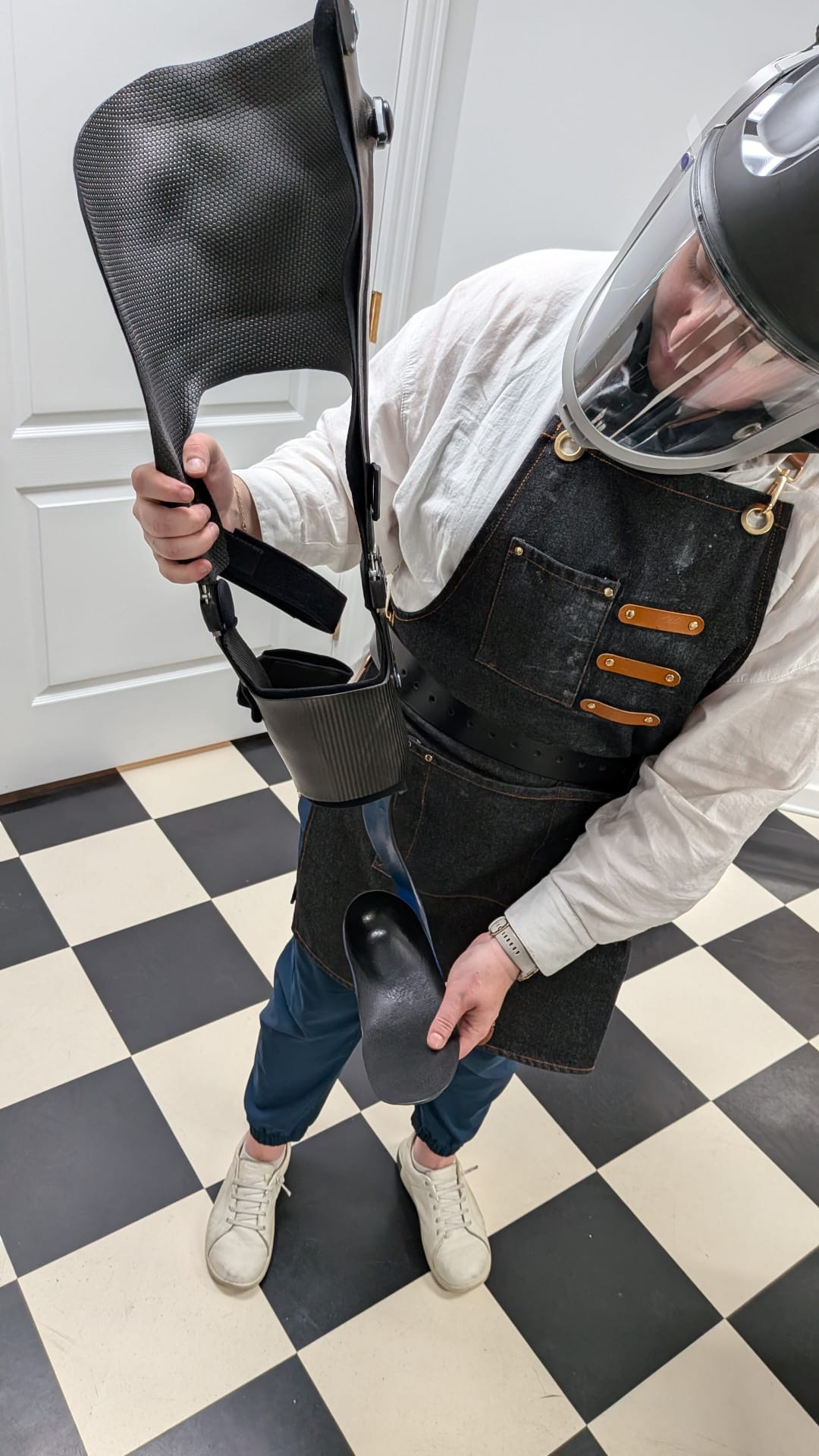
Creating a Mold: Once the cast hardens, it’s used to fabricate a custom orthosis—commonly an AFO (Ankle Foot Orthosis), but upper-limb casting is also possible.
Prevents Contractures: By capturing muscles in their best alignment when they’re most relaxed, orthotics helps maintain range of motion and avoid tightening over time.
References & Guidelines:
American Academy of Neurology (AAN) guidelines
Multiple systematic reviews show improved outcomes with timely casting post-Botox