Foot pain isn’t just frustrating. It’s disruptive to your work, your movement, and your lifestyle.
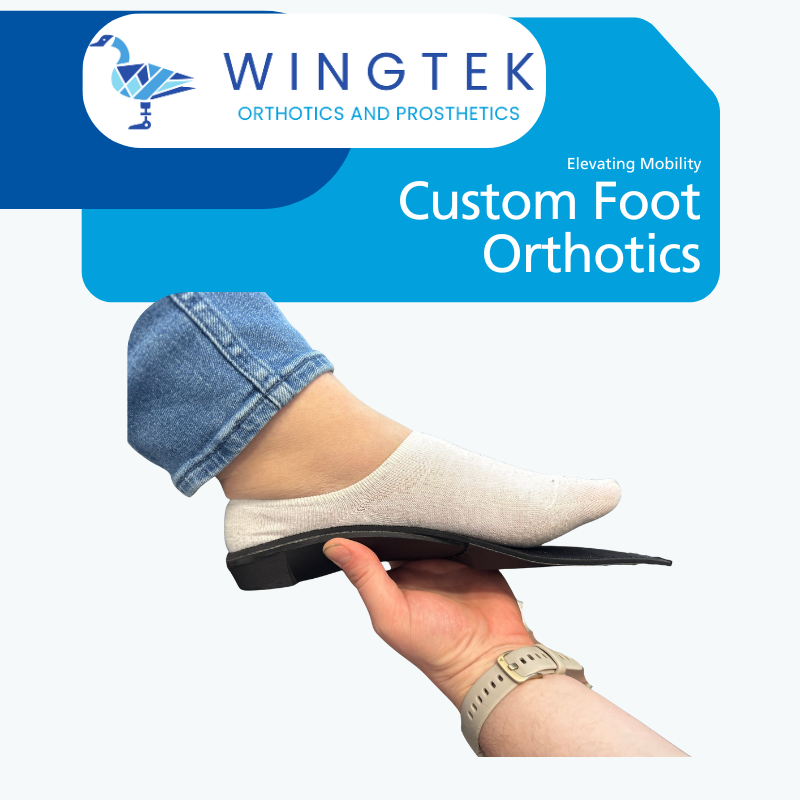
At our clinic, we see people from all walks of life dealing with pain, instability, or discomfort in their feet, knees, and lower body. While everyone’s needs are different, custom foot orthotics are often part of the solution.
A Realistic Perspective: Orthotics Aren’t a One-Size-Fits-All Fix
There’s a lot of information (and misinformation) out there about foot health. Especially when it comes to orthotics, minimalist footwear, and natural foot function.
At our clinic, we often explain to patients that foot orthotics are a tool, not a magic cure. Think of them like a prescription drug: they can be incredibly helpful when used appropriately, especially during periods of acute pain or inflammation, but they’re not always the end goal for every person.
Here’s what we’ve seen:
- Some people benefit from going the barefoot/minimalist route, but only after addressing the underlying mechanics, strength deficits, or inflammation first. If you’re in acute pain, jumping into soft, unsupportive shoes can sometimes make things worse.
- Others have chronic issues that relate more to work environments (like standing all day on concrete), structural foot types (flat feet, high arches), or the need to wear specific shoes for work (steel toe, safety footwear). These cases may need longer-term support.
- Some people wear orthotics only during specific activities (e.g., work, walking, or exercise) and go without them the rest of the time. There is no one correct way.
Who Benefits from Custom Foot Orthotics?
Some of the most common diagnoses we see include:
- Plantar fasciitis and Heel spurs
- Flat feet (pes planus)
- Metatarsalgia
- Heel pain
- Bunions
- Hammer toes
- Neuromas
- Pronation control
- Arthritis
- Diabetes-related foot concerns
- Stability for older adults
These conditions are often aggravated by poor footwear, long hours on hard surfaces, or repetitive movement.
We Frequently Work With:
- Tradespeople in steel toe boots
- Healthcare workers on concrete floors
- Mail and delivery workers on long routes
- Retail and service staff on their feet all day
- Active individuals dealing with repetitive strain
Why Footwear Matters: Building a Solid Foundation
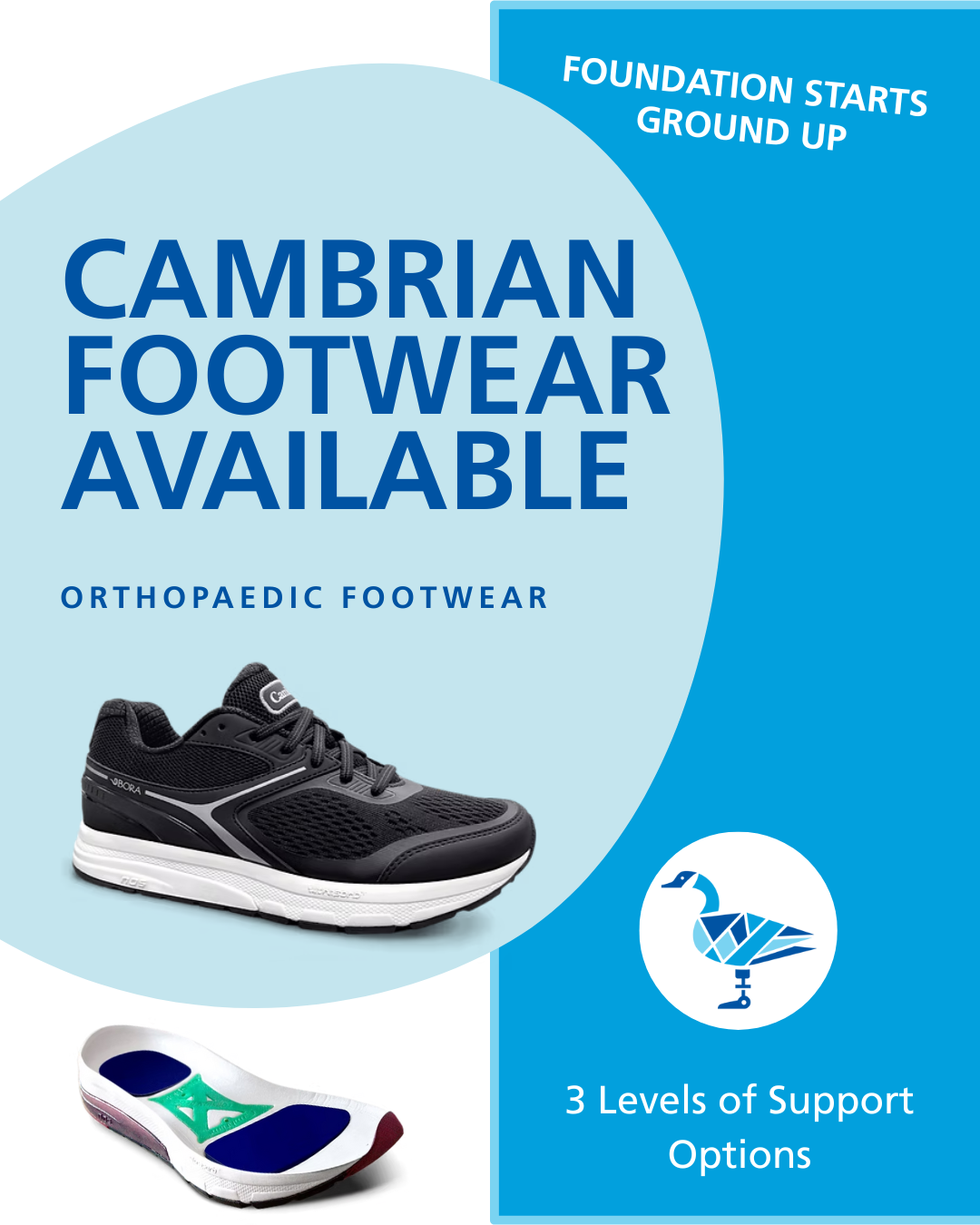
Orthotics are only as effective as the footwear they’re placed in. One of the most important (and often overlooked) parts of treatment is wearing shoes that provide the right structure and support.
Supportive orthopedic footwear offers:
- A firm heel counter for rearfoot stability
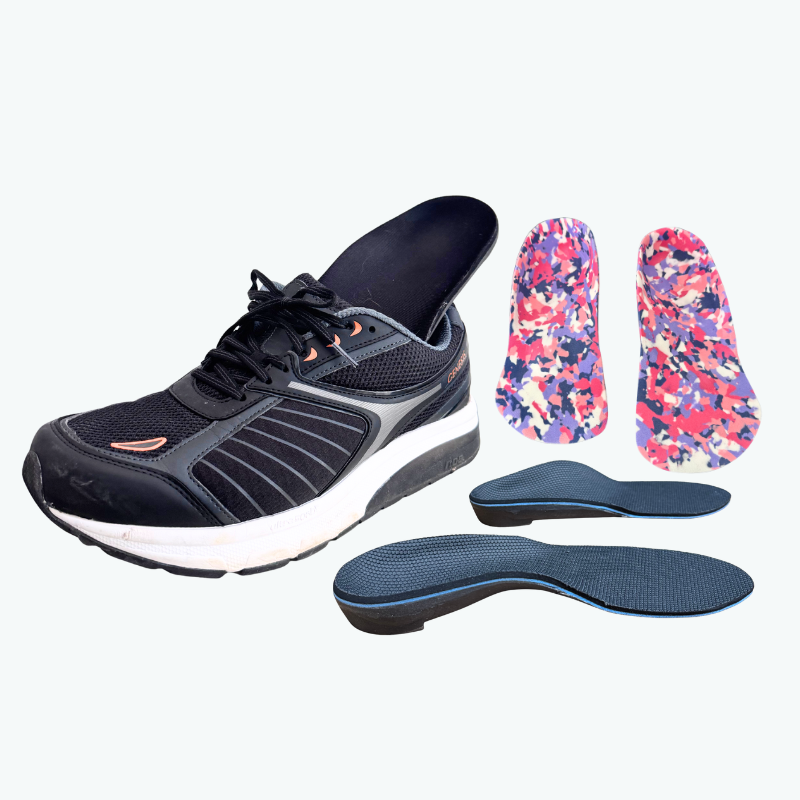
- A removable footbed to properly fit custom orthotics
- Multiple width options to accommodate different foot shapes
- A supportive midsole that evenly distributes pressure
- Non-compressible materials that resist excessive collapse under weight
- Slip-resistant outsoles for safety and stability
In contrast, many popular shoes today are built more for softness than support. These “marshmallow shoes” may feel comfortable at first but often lack the structural integrity needed to manage foot conditions or support custom orthotics.
Wearing the right shoe means giving your orthotics the foundation they need to actually work. Helping relieve pain, support alignment, and reduce fatigue. Think of it like this: even the best orthotic can’t function properly if it’s sitting inside a soft, unstable shoe.
Whether you’re on your feet all day for work, dealing with chronic foot pain, or trying to prevent future issues, quality footwear is key to long-term comfort and performance.
Collaboration Is Key: Work With Your Physiotherapist
We strongly encourage working alongside a physiotherapist whenever possible. Orthotics can complement rehab strategies, but they don’t replace the need for:
- Foot and lower limb strengthening
- Joint mobility
- Gait retraining
- Load management
Physios bring invaluable insight into the why behind your pain or dysfunction and combining this with orthotic support often yields the best long-term outcomes.
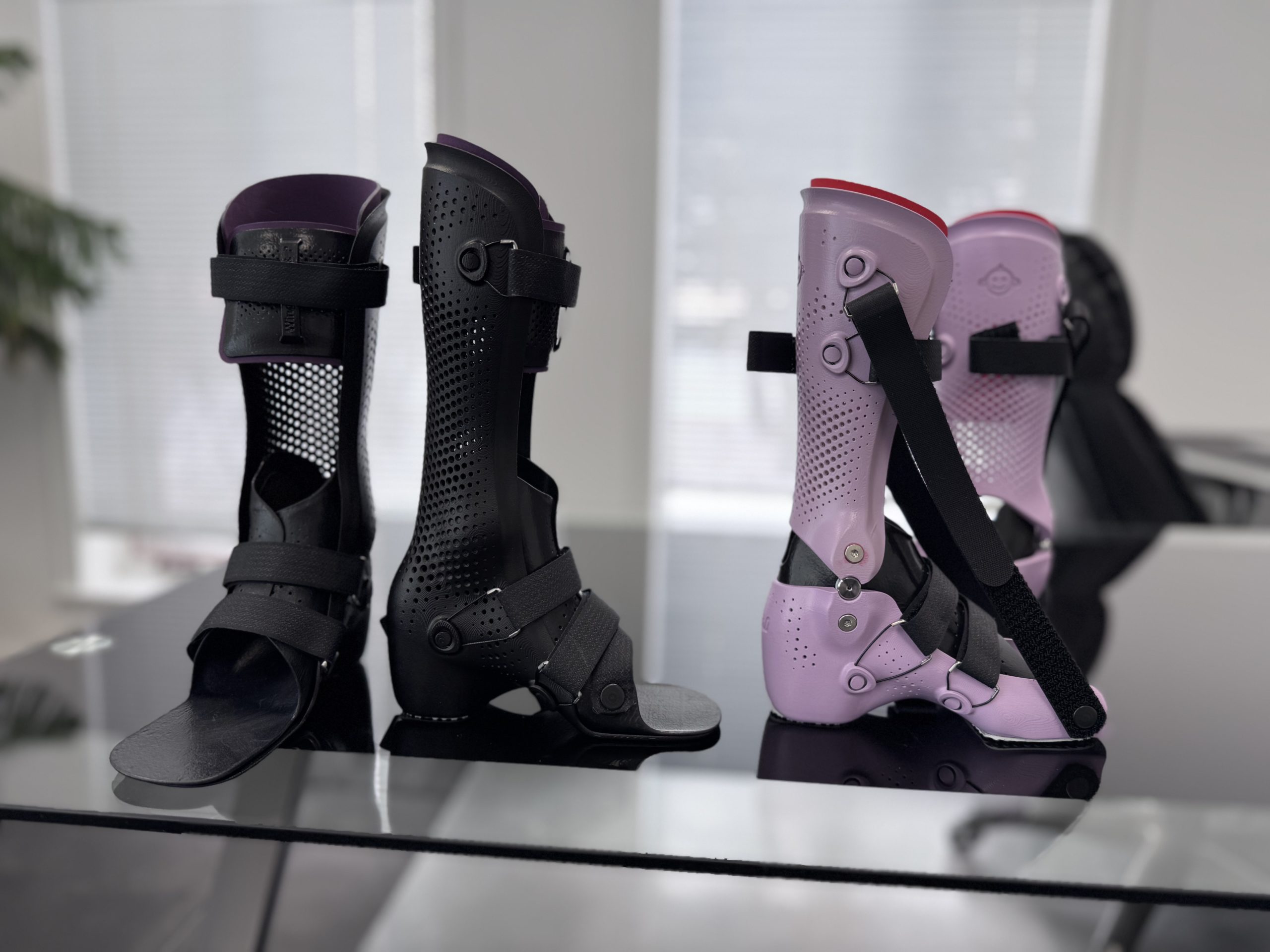
3D-Printed Foot Orthotics:
We’ve spent over a year transitioning and collaborating to 3D-printed orthotic shells, and the feedback has been positive!
Benefits include:
- Lightweight and durable
- Low-profile design fits in a wider range of shoes
- Digitally repeatable
- Great compliance with shoes
When Do We Still Use Traditional Foam Orthotics?
Some patients with unique foot shapes, high-pressure areas, or complex support needs still benefit from foam-based orthotics. We always match the material to your needs during the assessment process.
The Bottom Line: Individual Solutions for Individual People
There’s no single path that works for everyone. Some patients do best with minimal support, others need structured footwear and orthotics to function without pain. What matters most is meeting people where they’re at, based on their pain, goals, activity level, and environment.
So whether you’re:
- Exploring orthotics for the first time
- Recovering from an injury
- Considering a barefoot transition
- Or just confused by what’s out there…
We’re here to assess your needs, explain your options, and work with your care team to find what’s right for you.