Watching our runner hit her personal best got us thinking about one of the key concepts in biomechanics. The difference between shock absorption and shock attenuation. Both play a role in keeping runners moving pain-free.

These terms sound similar, but they describe different roles in movement:
Shock Absorption
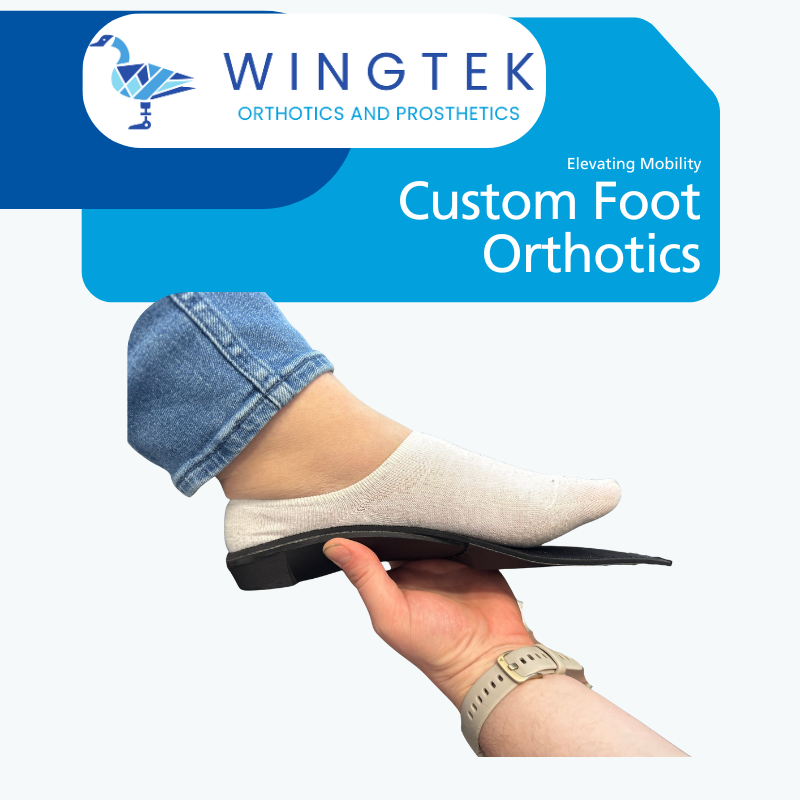
This is about the material’s ability to take in impact forces. For example, cushioned shoe soles or orthotic materials absorb energy at foot strike, reducing the peak load.
Shock Attenuation
Is the body’s ability to reduce or dampen impact as it travels upward. It’s achieved through strength, mobility, alignment, footwear, and the design of the orthosis. By keeping the arch flexible, orthotics can support mechanics while still allowing the body to attenuate forces naturally. Good mechanics, proper footwear, and well-designed foot orthotics help distribute and control forces so that less impact reaches the knees, hips, and spine.
In other words:
Absorption = how much impact is taken in at the source.
Attenuation = how much impact is prevented from travelling through the rest of the body.
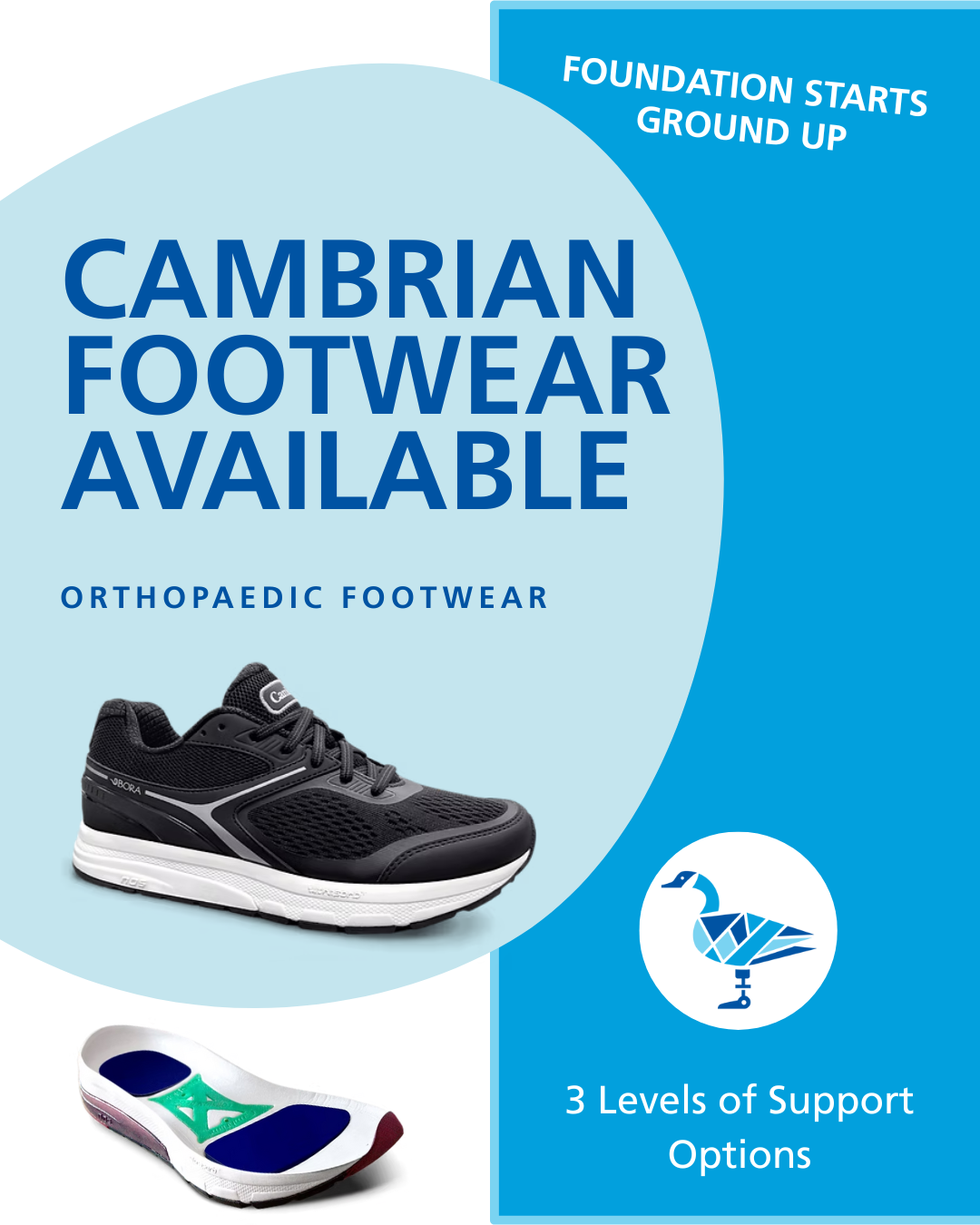
Both matter. Some people thrive on strengthening their natural mechanics barefoot, while others benefit from structured shoes, rocker soles, or custom orthotics to manage pain and alignment.
The key? These aren’t opposing ideas. Orthotics and footwear can create the foundation that allows you to move, train, and build resilience without pain, while still working on strength and natural movement.
Clinical Relevance
- Overpronation, hip pain, plantar fasciitis, and knee OA often stem not just from poor absorption, but from poor attenuation (weak muscles, misaligned joints, stiff movement patterns).
- Orthotics, shoes, strengthening, and mobility all play roles, and the best outcomes often come when we blend them.
Performance Relevance
- Runners who train on concrete need more absorption.
- Athletes with poor hip control or collapsed arches need help with attenuation.
- Striking the balance allows people to run faster, recover better, and stay injury-free.
It’s about using the right tool at the right time.