

Prosthetic care
A prosthesis is an artificial limb. It is made to replace part of an arm or leg. WingTek is now booking prosthetic appointments for new and experienced users.
Common reasons people need a prosthesis:

Example photo: Ottobock
A prosthesis is made for one person. The socket is shaped to fit your limb. The knee, foot or hand is chosen for the way you live and move.
A prosthetist is trained to assess, design, make and fit prostheses. Not sure how a prosthesis is different from a brace? Read Orthotics vs Prosthetics.
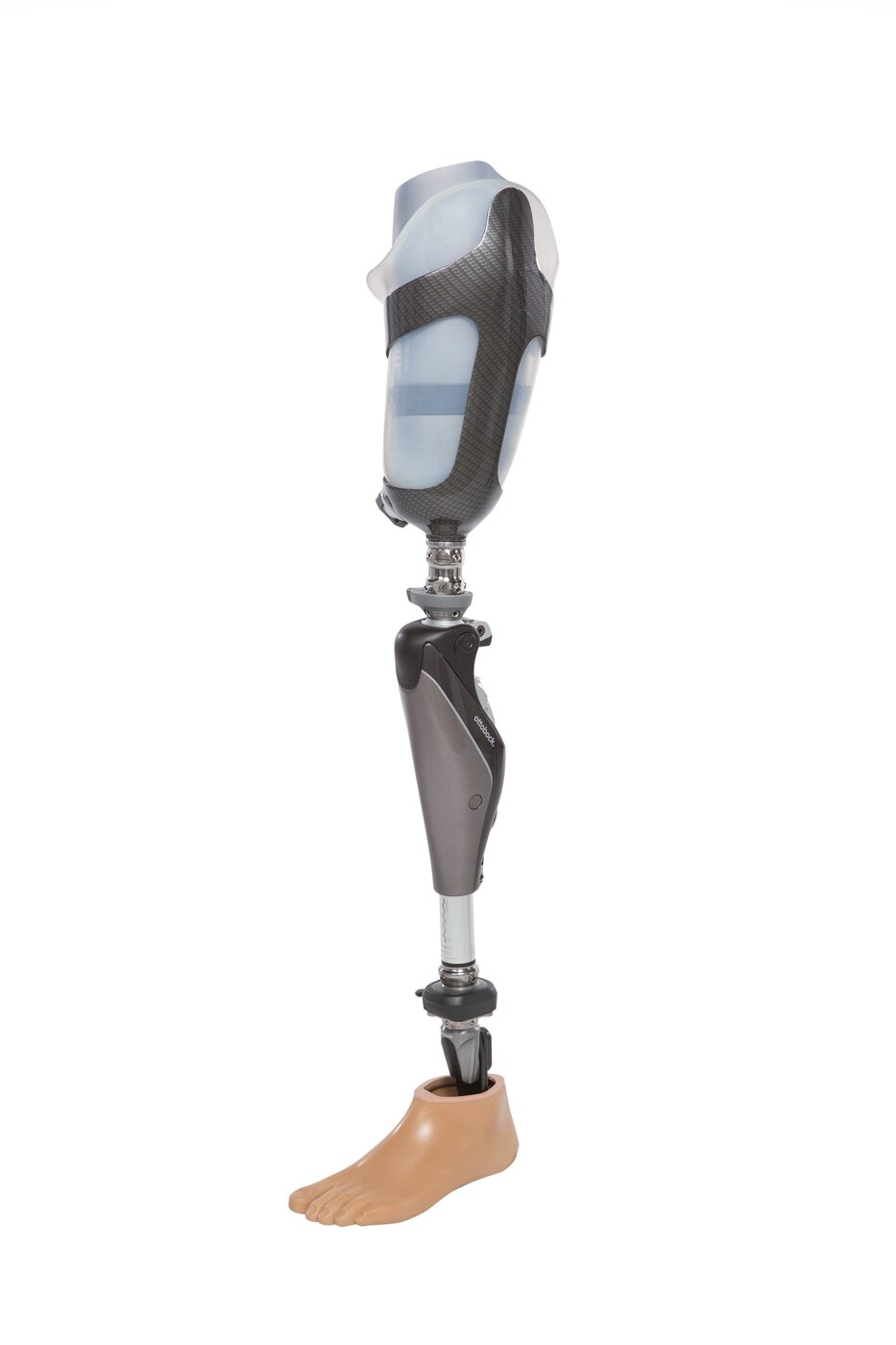
Example photo: Ottobock
We see people at every stage.
Losing a limb is a big change. You do not have to learn it all at once. We go through it with you, step by step.
You know what a good fit feels like. Tell us what works, what does not, and what you want next.
The level is where the limb was removed. Each level needs a different design.
Some toes or the front of the foot. Often a custom insert with a carbon fibre plate and toe filler, or a short socket that wraps the foot. See custom foot orthotics.
The foot is removed at the ankle joint (a Syme’s amputation). The prosthesis uses a low profile foot that fits in a shoe.
Also called transtibial. This is the most common leg level. Your own knee does the bending.
Also called knee disarticulation or transfemoral. The prosthesis has a knee joint as well as a foot.
The socket fits around the pelvis. The prosthesis has a hip joint, a knee and a foot.
Partial hand, below elbow, above elbow and shoulder. Options include body powered and electric hands and hooks.
Every prosthesis has two parts made or set up just for you:
The other parts are chosen for you. There are hundreds of feet, knees and liners. We choose parts from many trusted makers to suit your body, your activity and your funding.
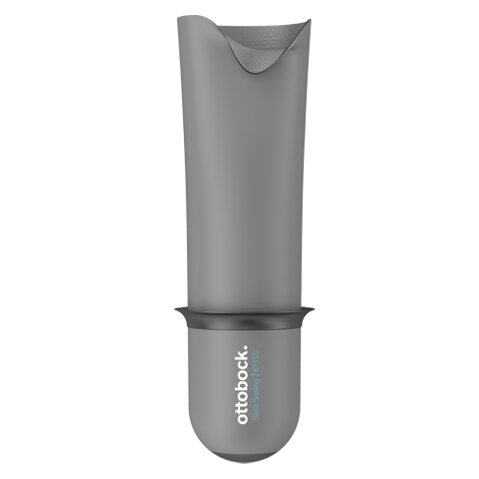
A soft gel sleeve you roll onto your limb. It cushions your skin inside the socket.
Example photo: Ottobock
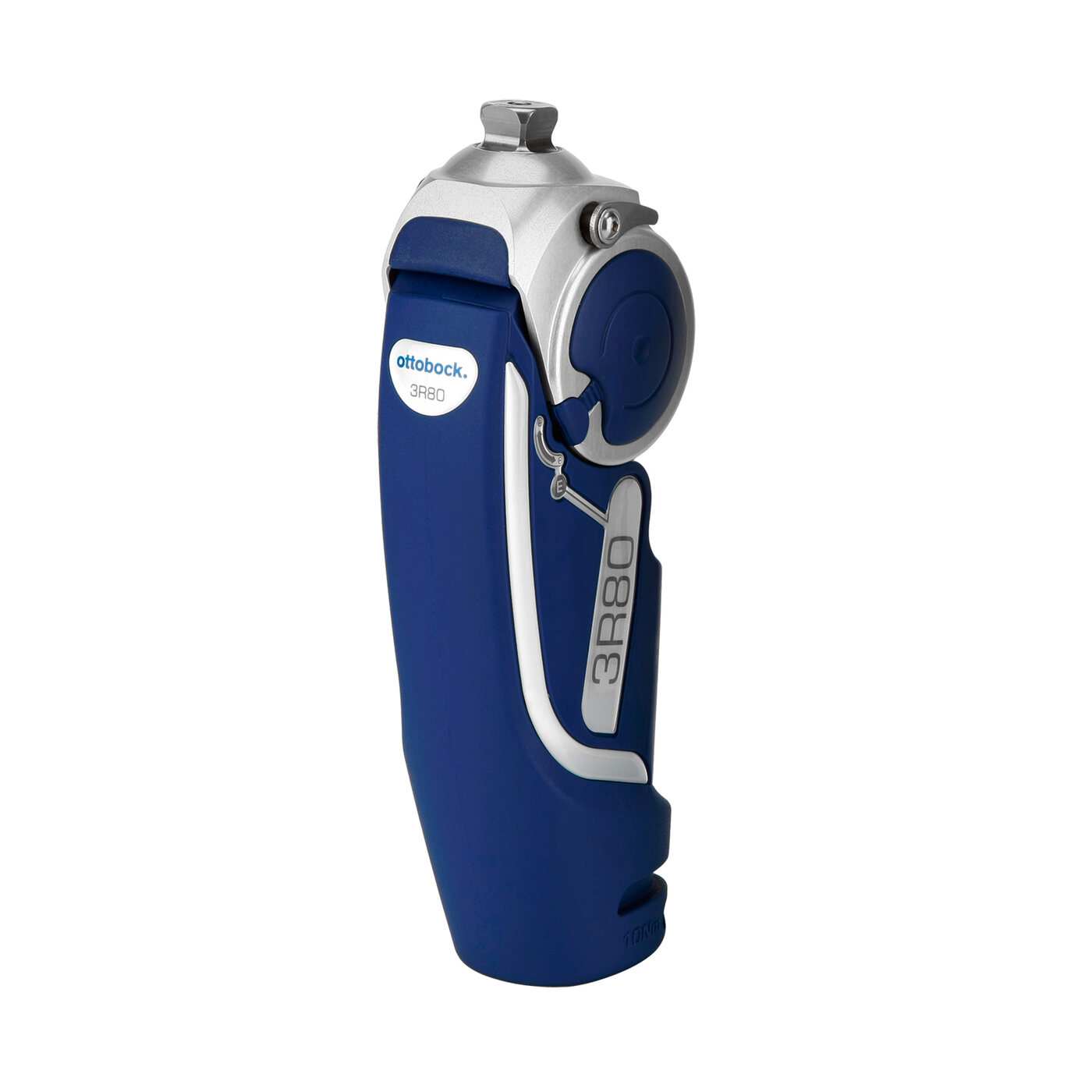
For through knee and above knee levels. Knees can be mechanical, hydraulic or controlled by a small computer.
Example photo: Ottobock
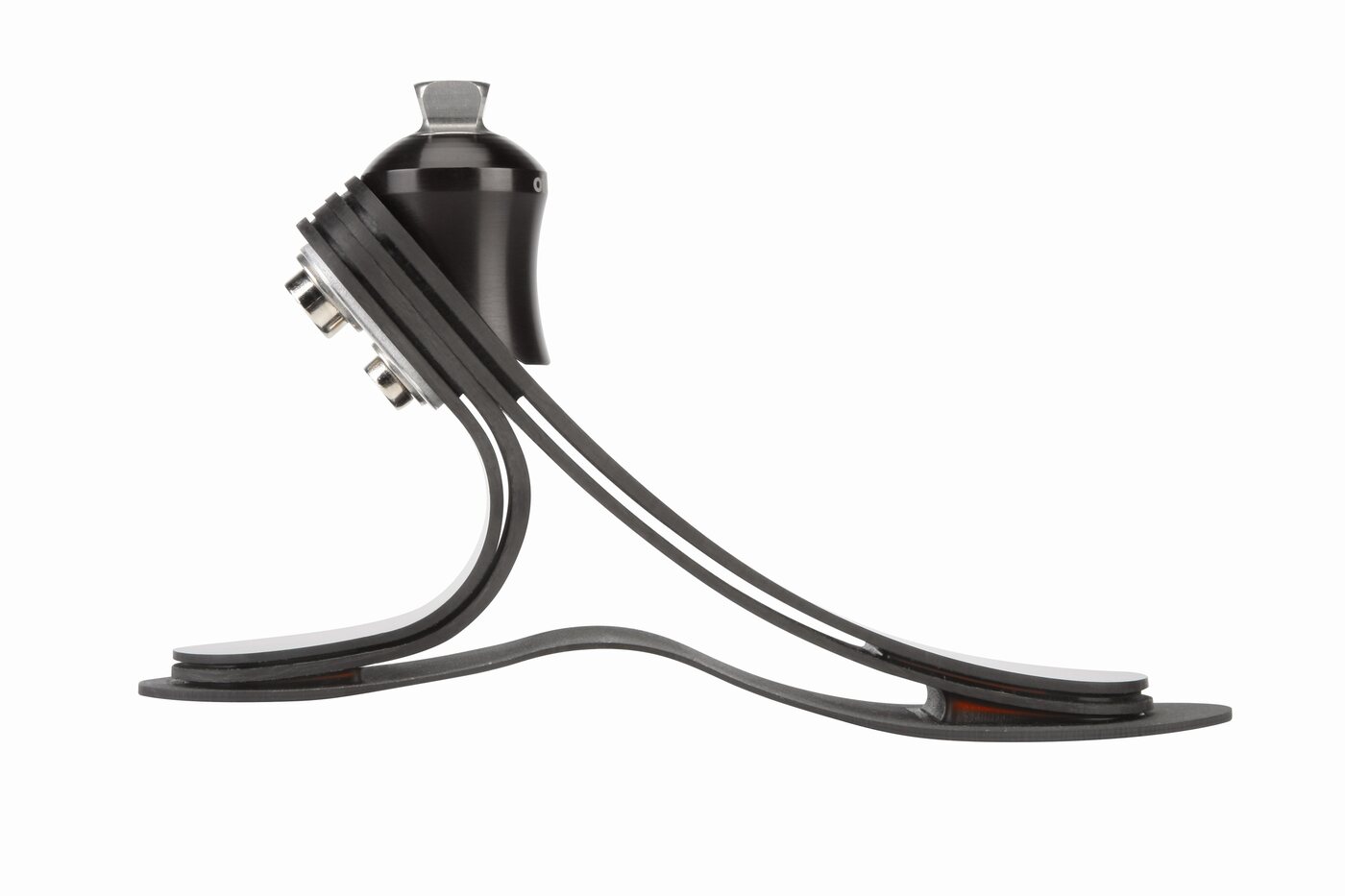
Feet range from simple and steady to springy carbon fibre feet for more active walking.
Example photo: Ottobock
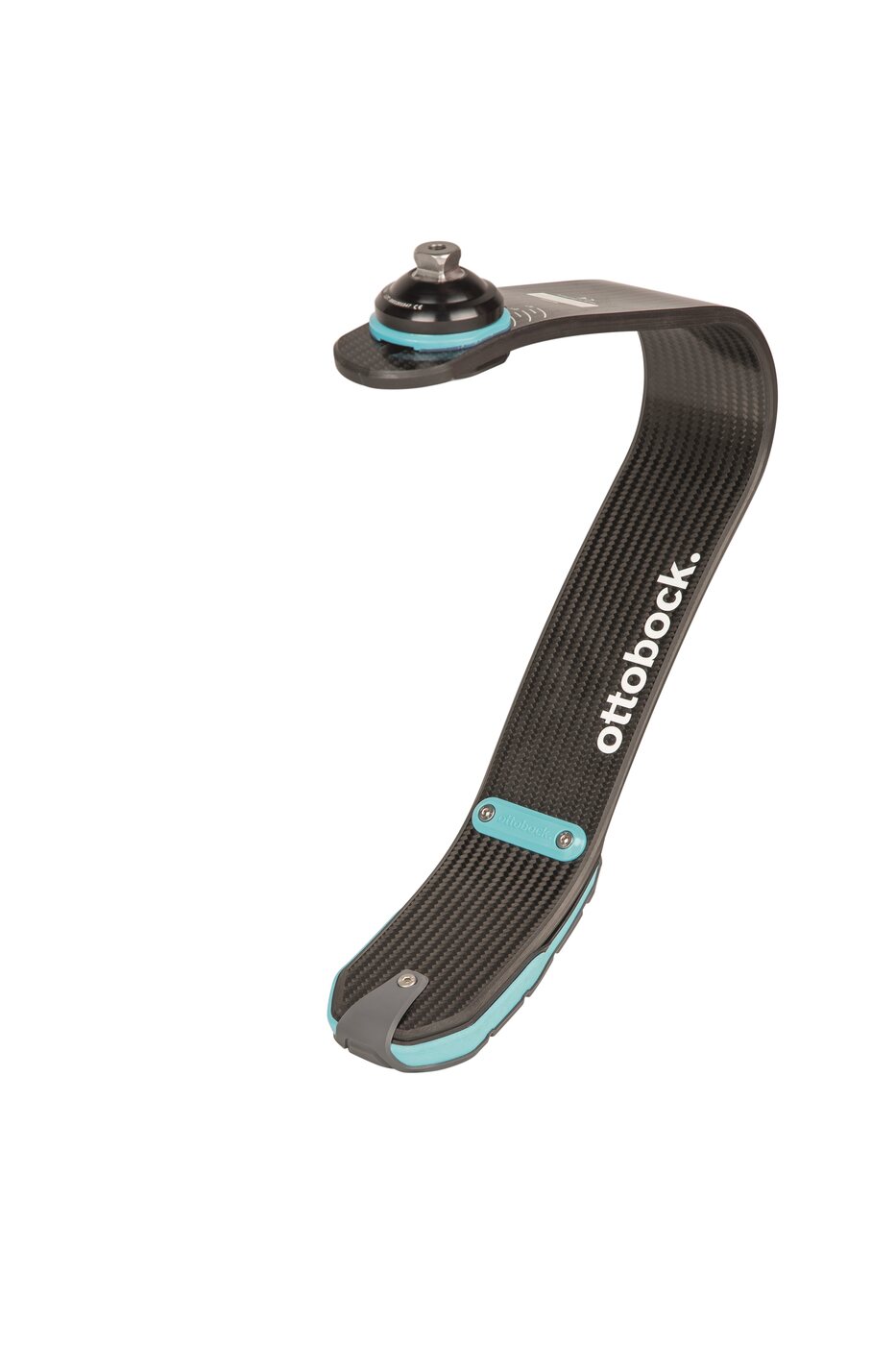
Running blades and other special feet for sport and hobbies.
Example photo: Ottobock
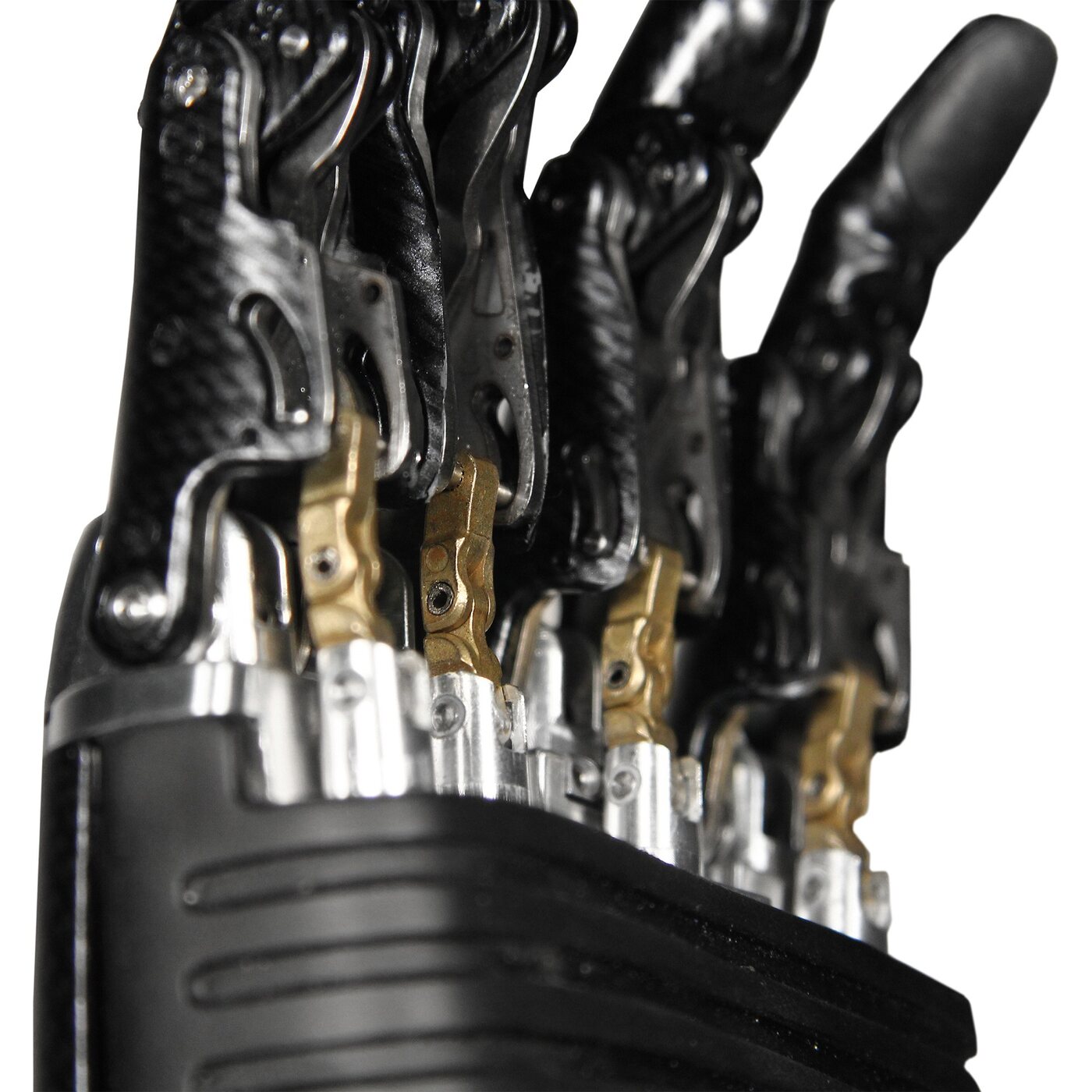
Hands and hooks can be body powered or electric. Some electric hands have many grip patterns.
Example photo: Ottobock
More information about our prosthetic services is coming soon. Call or text 306-566-4666 with any questions.
Our clinicians help you find the right parts for your body and your goals, so your prosthesis works for your life.
Fit and comfort come first. A prosthesis only helps if you can wear it.
We check the fit at every step, starting with a clear test socket.
We choose parts for your work, home and hobbies.
We keep your surgeon, doctor and therapists up to date.
Your limb changes over time. We adjust your socket so it stays comfortable.
Getting a new prosthesis takes a few visits. Most visits are about 1 hour.
A prosthesis is a medical device, so it needs a prescription. After surgery, your care team will tell you when your limb is ready. You can book a consultation before you have a prescription.
We meet you, check your limb and skin, and talk about your goals. Then we cast or 3D scan your limb to start your socket.
You try on a clear test socket. We look at the fit and fix it before we build your final socket.
We fit and line up your prosthesis and watch you walk or use it. We show you how to put it on and care for your skin. Many people also train with a physiotherapist or occupational therapist.
Your limb keeps shrinking for many months, often a year or more. We adjust your socket as it changes. Most new users need a new socket once the limb settles.
Your limb changes size during the day and over time. Prosthetic socks fill the extra space so your socket stays snug.
Call us if you need a lot more socks than usual, or if your limb moves up and down in the socket. Your socket may need an adjustment or a change.
Please fill out our New Patient Intake Form before your first visit.
Tip: Salty food makes your limb swell, so your socket can feel tight. Skip salty food the night before casting, scanning or a fitting. If you are on dialysis, tell us your dialysis days so we can book at the same point in your week.
We help you with the paperwork. Funding approval or payment is needed before we build your prosthesis.
SAIL funding for prosthetics at a private clinic is reviewed case by case. The cost may be split between SAIL and you or your private insurance.
We can direct bill these programs when you are eligible and the prosthesis is approved.
Plans may cover all or part of the cost. The rest is your responsibility. The price is the same no matter who pays.
The War Amps Adult Amputee Program may help with some of the cost of an artificial limb. Visit waramps.ca.
See all our funding options.
We work with surgeons, physiatrists, family doctors and wound care teams.
To refer, use your own prescription pad or our online referral, and fax to 1 (306) 912-7807. Include the diagnosis, the level and side, the surgery date, and what is needed, such as a new prosthesis, a new socket or repairs. We contact the patient to book.
A prosthesis is a medical device. A prescription is required before it is made and dispensed.
Yes. A prosthesis is a medical device, so a prescription is needed before it is made and dispensed. You can book a consultation and assessment before you have one.
It depends on how you heal. Your wound needs to heal and the swelling needs to go down first. Your surgeon and care team will tell you when you are ready.
Most people come for a few visits over several weeks. The test socket step helps us get the fit right before we build your final socket.
A prosthesis should not be painful. Your skin needs time to get used to pressure, so you start with short wear times. Red marks should fade within 30 minutes after you take it off. Call us if they do not, or if you get blisters or sores.
Your limb shrinks the most in the first year. Most new users need socket changes in that time and a new socket once the limb settles. After that, you may need a new socket when your fit changes or parts wear out.
It depends on your program or plan. SAIL funding at a private clinic is reviewed case by case, and the cost may be split between SAIL and you or your private insurance. We help with the paperwork.
Yes. Bring your current prosthesis, any spares, and all your liners and socks. With your OK, we can ask your last clinic for your records.
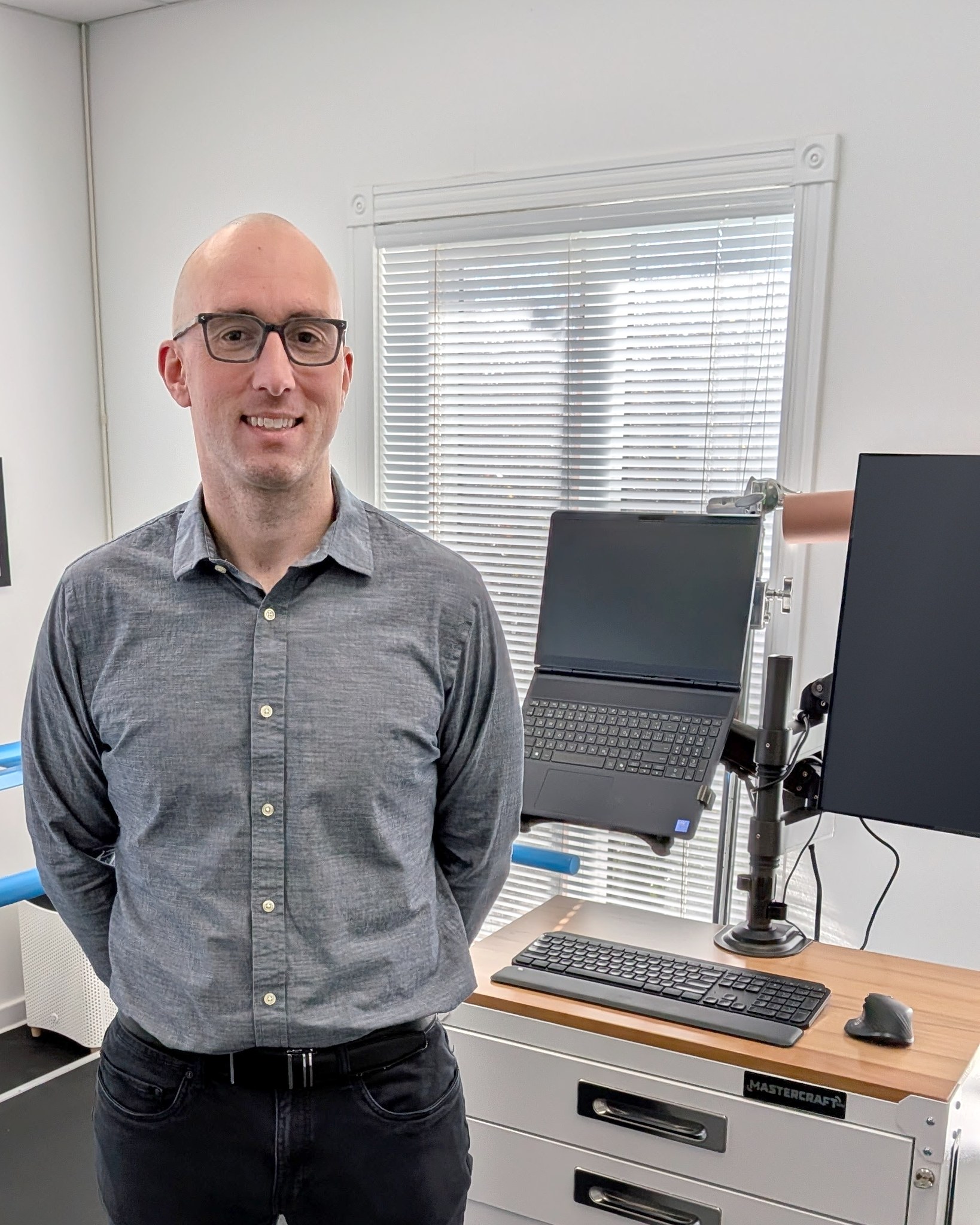
Certified Prosthetist Orthotist
Tyler is certified in both prosthetics and orthotics. Read Tyler’s bio.
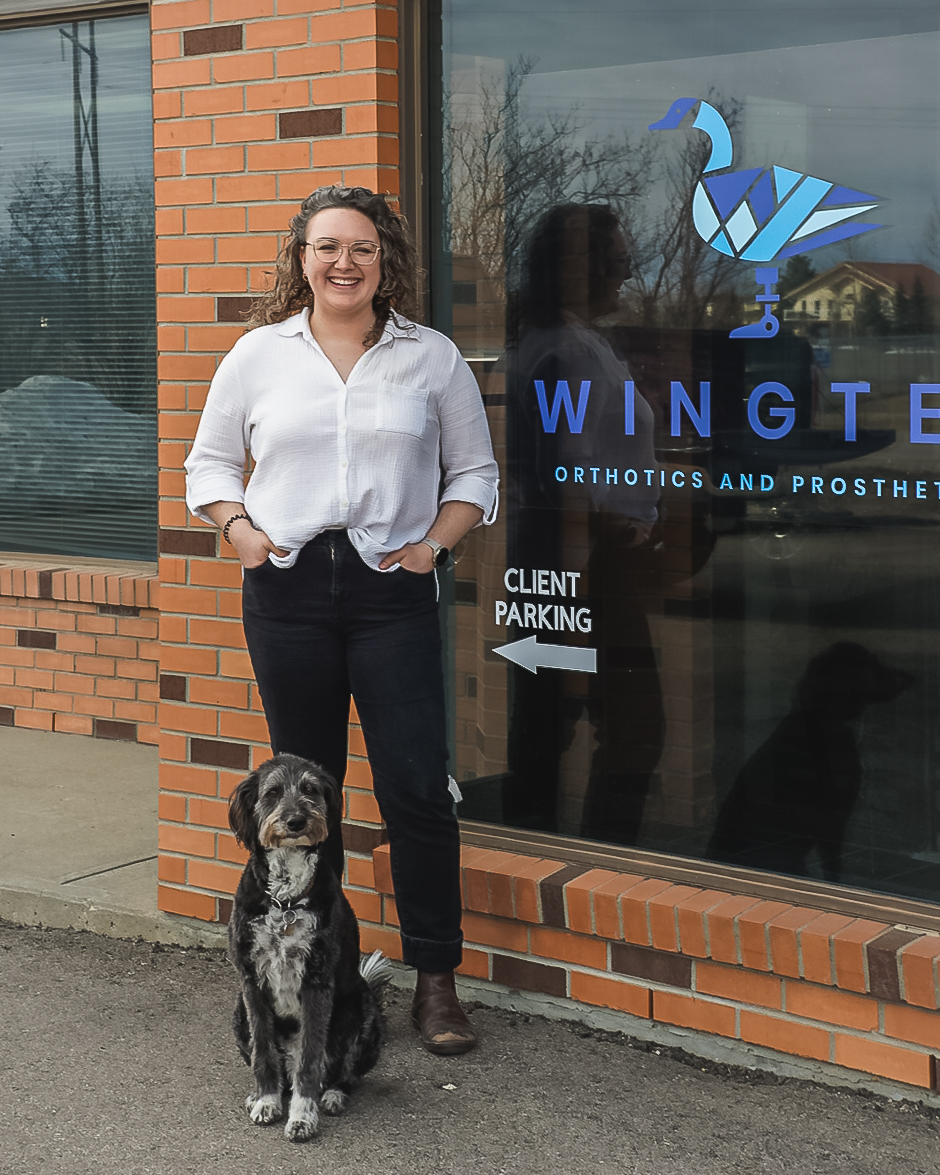
Certified Orthotist / Prosthetics Resident
Brianna is a Certified Orthotist and is completing her prosthetics residency. Read Brianna’s bio.
More information about our prosthetic services is coming soon. Have a question now? We are happy to help.
Call or text 306-566-4666, or book a consultation online.