

Custom orthotics
Custom foot orthotics are medical insoles made for your feet, your shoes and your day. We make them from a 3D scan, a plaster cast or a foam box impression, chosen for your feet and your clinical needs. There is no one design that fits everyone.
Common reasons people wear foot orthotics:
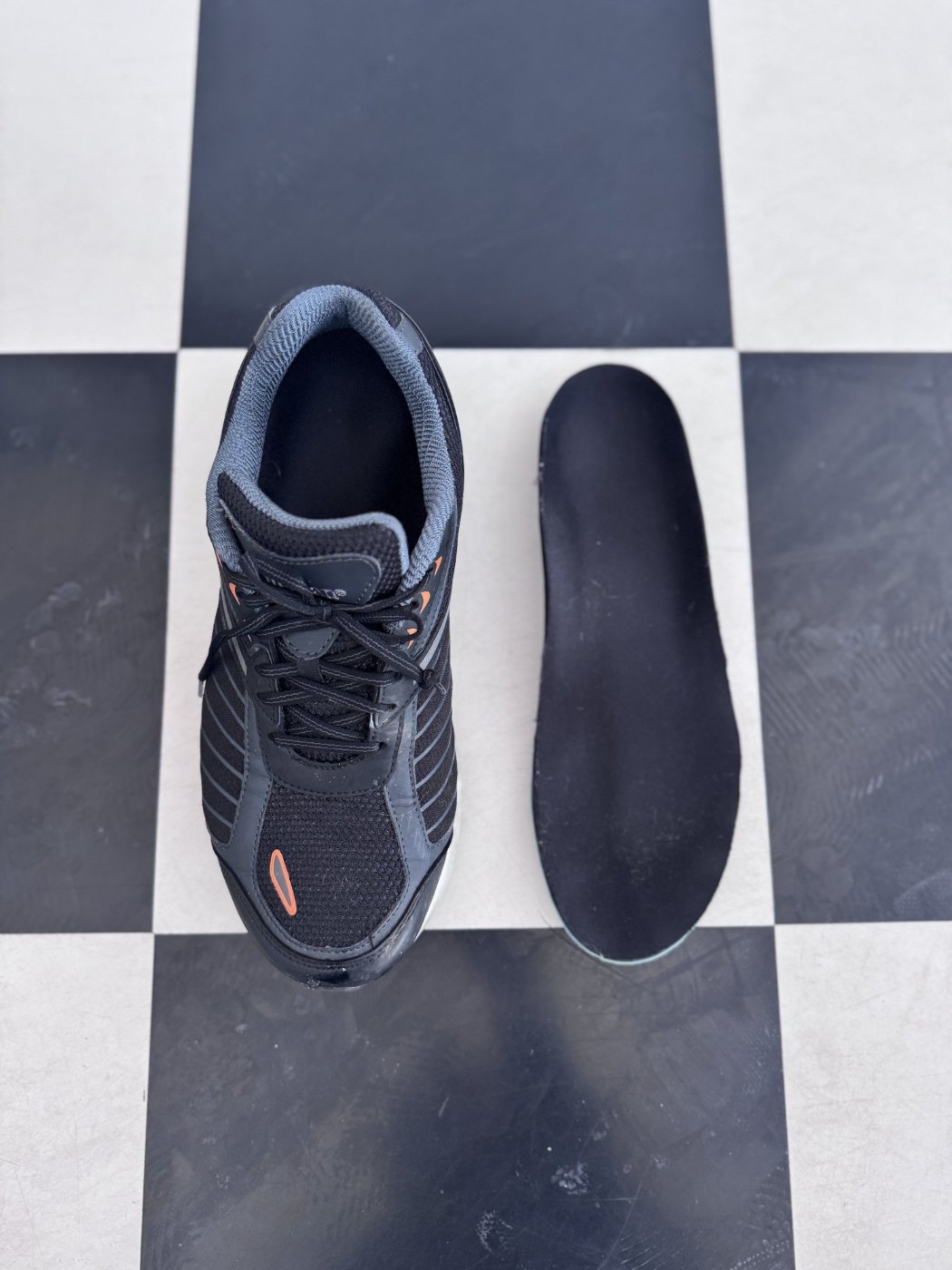
A custom foot orthotic is a medical device that fits inside your shoe. It is made from a model of your feet and what we learn at your assessment. The shape, firmness, length and top cover are all chosen for you.
It is not the same as a store-bought insole. A store insole is made for an average foot. A custom orthotic is made for yours.
A Certified Orthotist, CO(c), is trained to assess, design, make and fit foot orthotics.
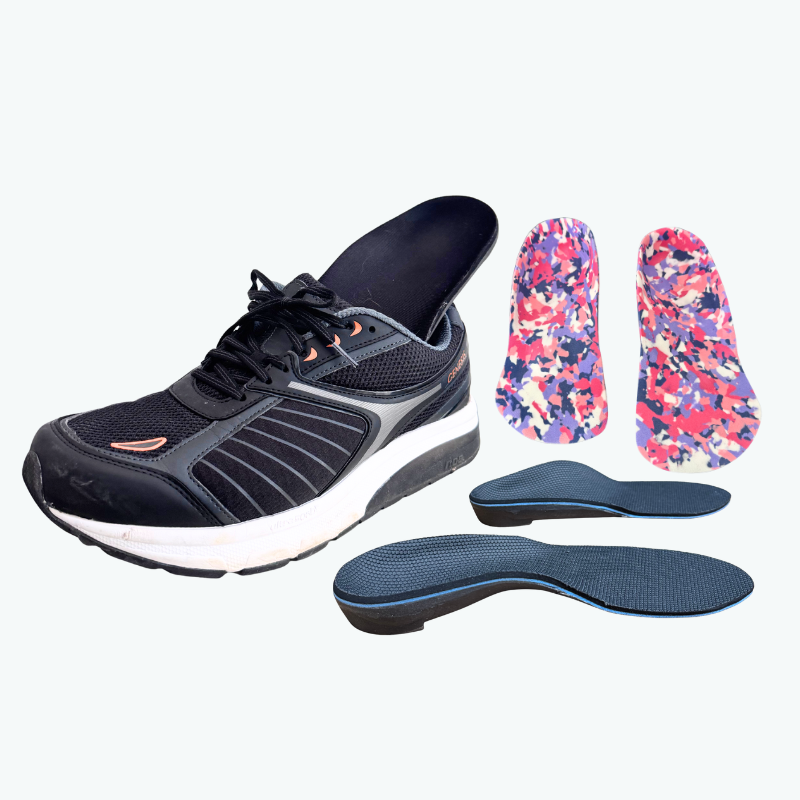
We choose the method that fits your feet and your clinical needs.
A quick, clean scan of your feet. Most of our orthotics start here. Your scan is saved, so a new pair can be made the same way.
A plaster wrap shaped to your foot while we hold it in the best position. Useful when a foot needs hands-on correction.
You press your foot into soft foam that holds its shape. Often used for cushioned and pressure relief designs.
Orthotics change how load moves through your feet and legs. Here is how they can help.
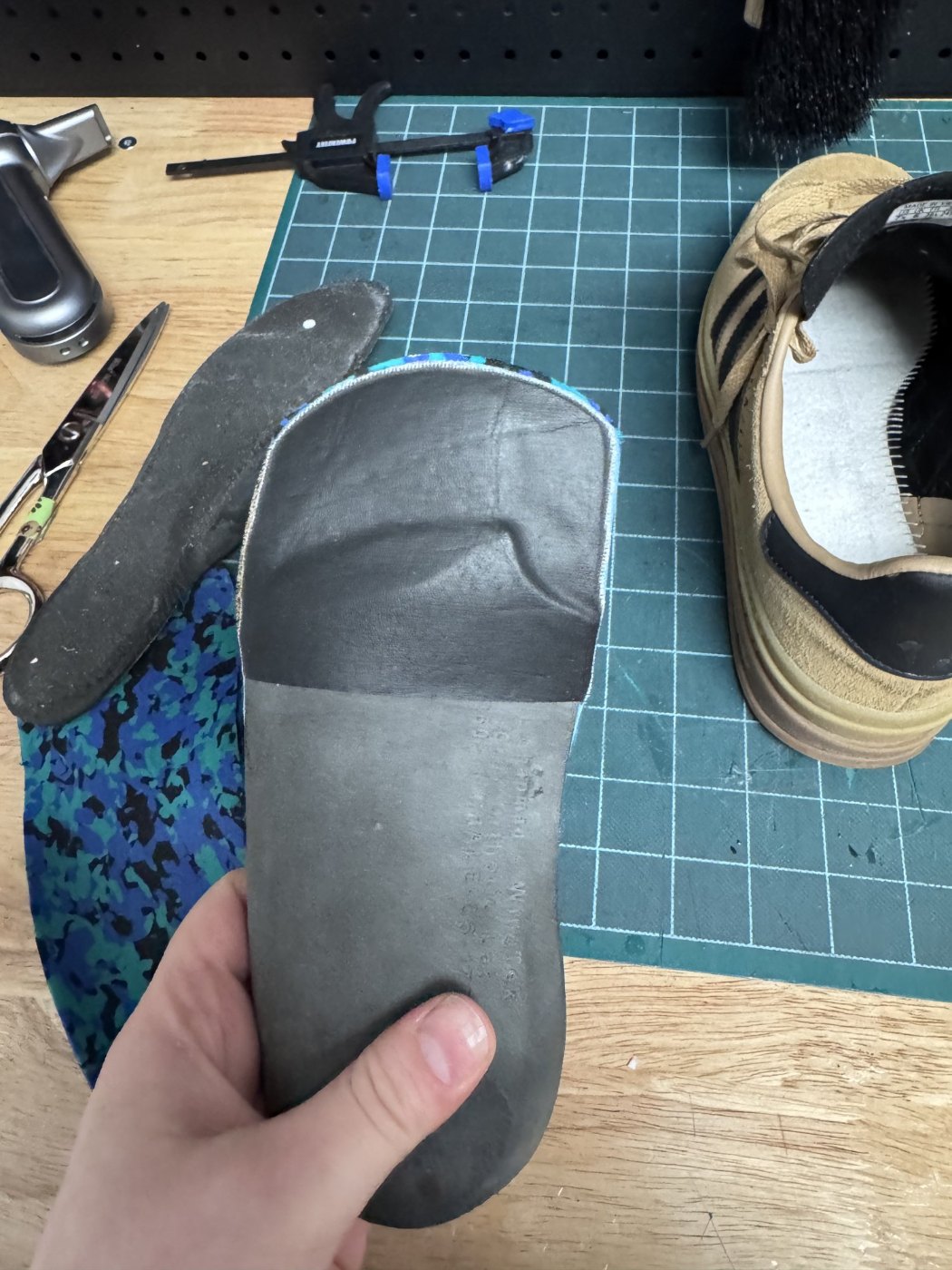
A firm 3D printed shell supports the arch and heel. It can control how much the foot rolls in or out, which takes strain off sore tissues like the plantar fascia.
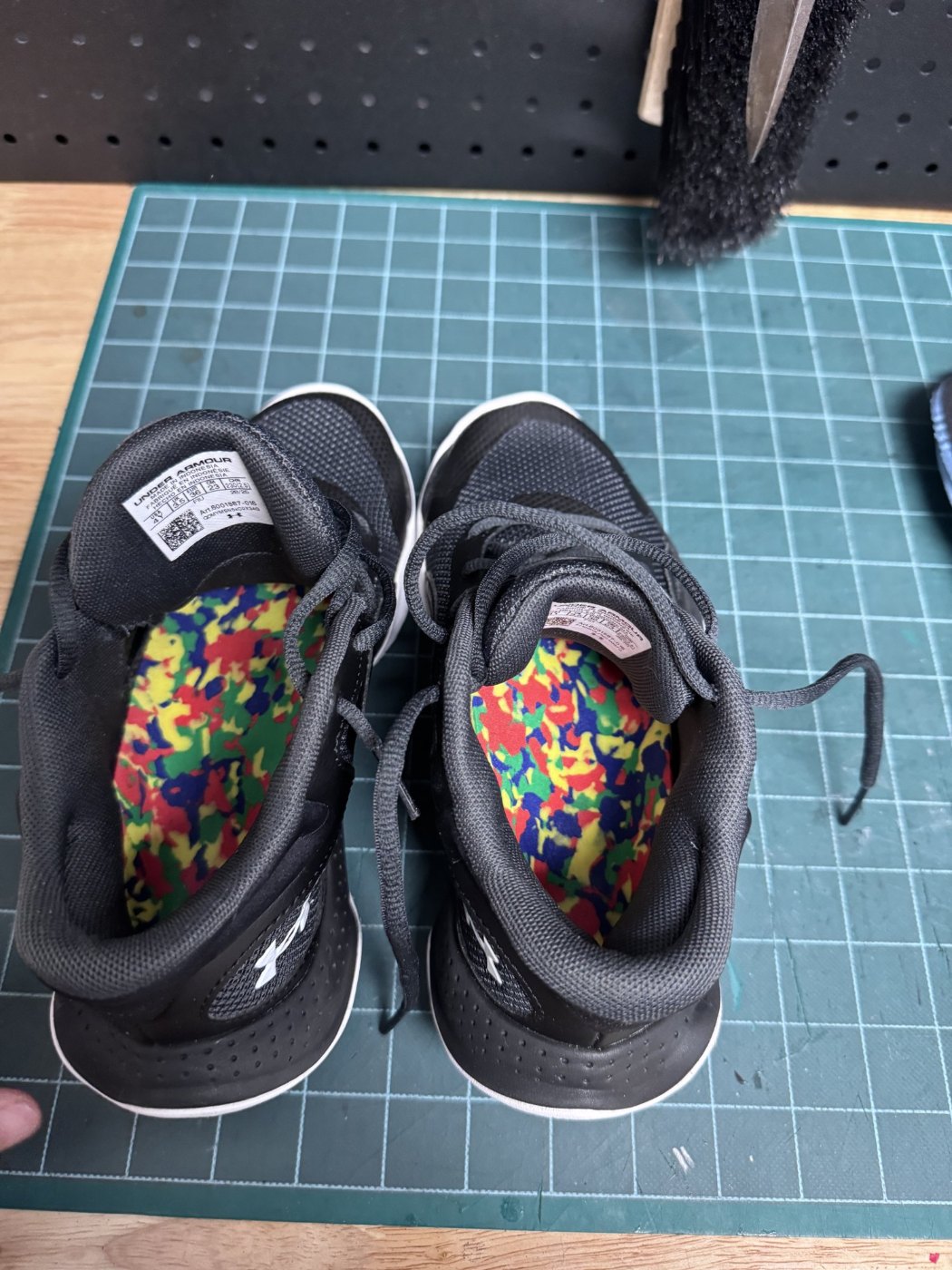
Load moves away from painful or fragile spots, like the heel, the ball of the foot or a healed wound. Cushion layers protect skin that is at risk.

How your foot lands affects your knees, hips and back. For some people, changing that is what eases knee or hip pain.
Orthotics work best in a good shoe, and often alongside strength work or physiotherapy. Learn more in our post on how custom foot orthotics fit into lower limb care.
We look at foot orthotics the way a doctor looks at medicine. They are a tool, not a magic cure. The goal is the right tool at the right time.
If your feet, knees or hips hurt, orthotics may help. If you have no pain, we usually do not treat, even if your feet are flat. Different is okay. Pain is the red flag.
Some people do well barefoot or in minimal shoes once their foot strength improves. Others need structured shoes, rocker soles or orthotics. These are not opposing ideas.
Some people want quick relief to get through a busy season at work. Others need more, like orthotics plus physiotherapy, strength work and better shoes. We meet you where you are.
Some people wear orthotics every day. Others only wear them at work, on long walks or for sport. Some need them less as their feet get stronger.
Our care follows the standards of practice of Orthotics Prosthetics Canada. Results vary from person to person. Read more in Shock Absorption vs. Shock Attenuation.
Many people, for many reasons. Some people have more than one.
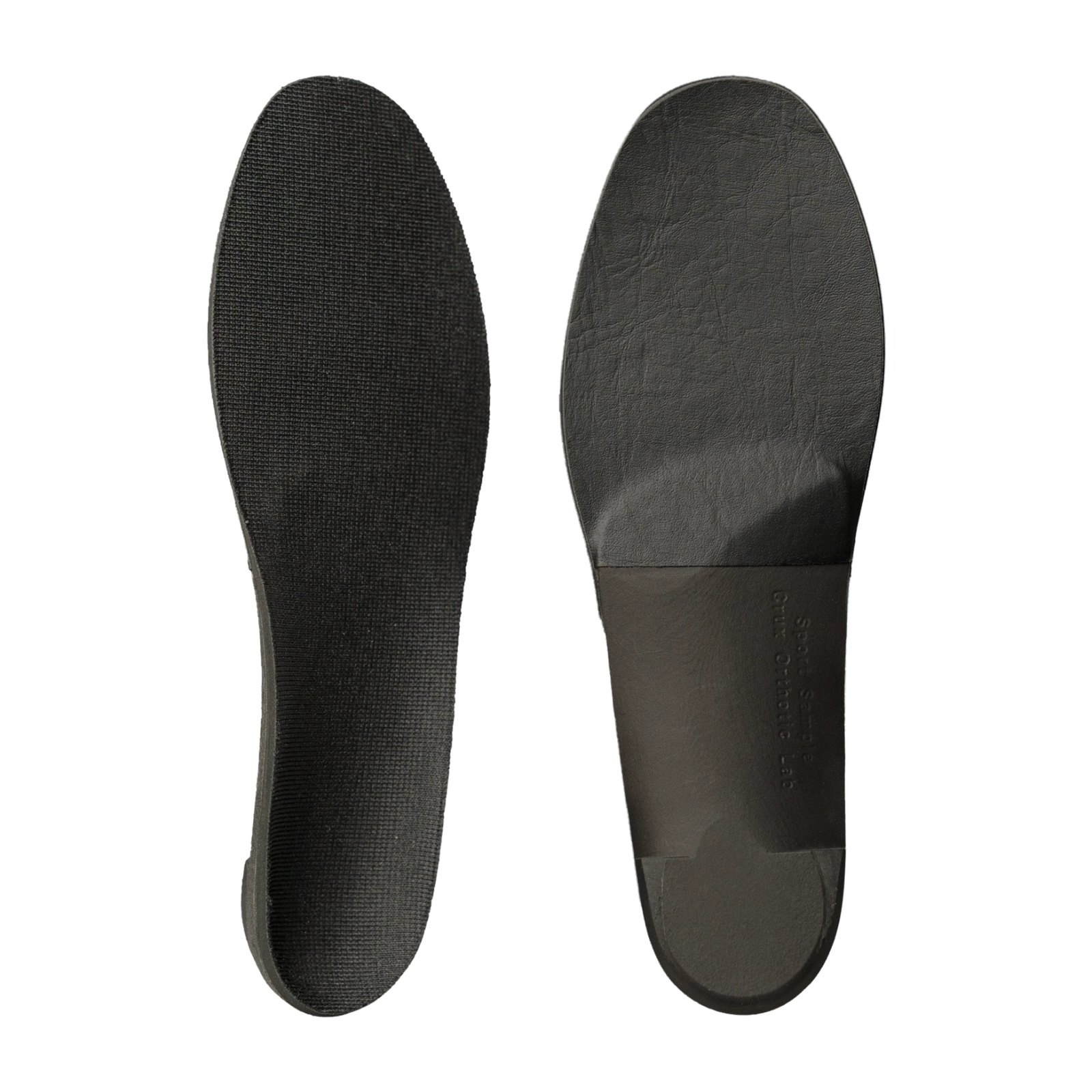
Orthotics may ease pain by changing how load moves through the foot and leg.
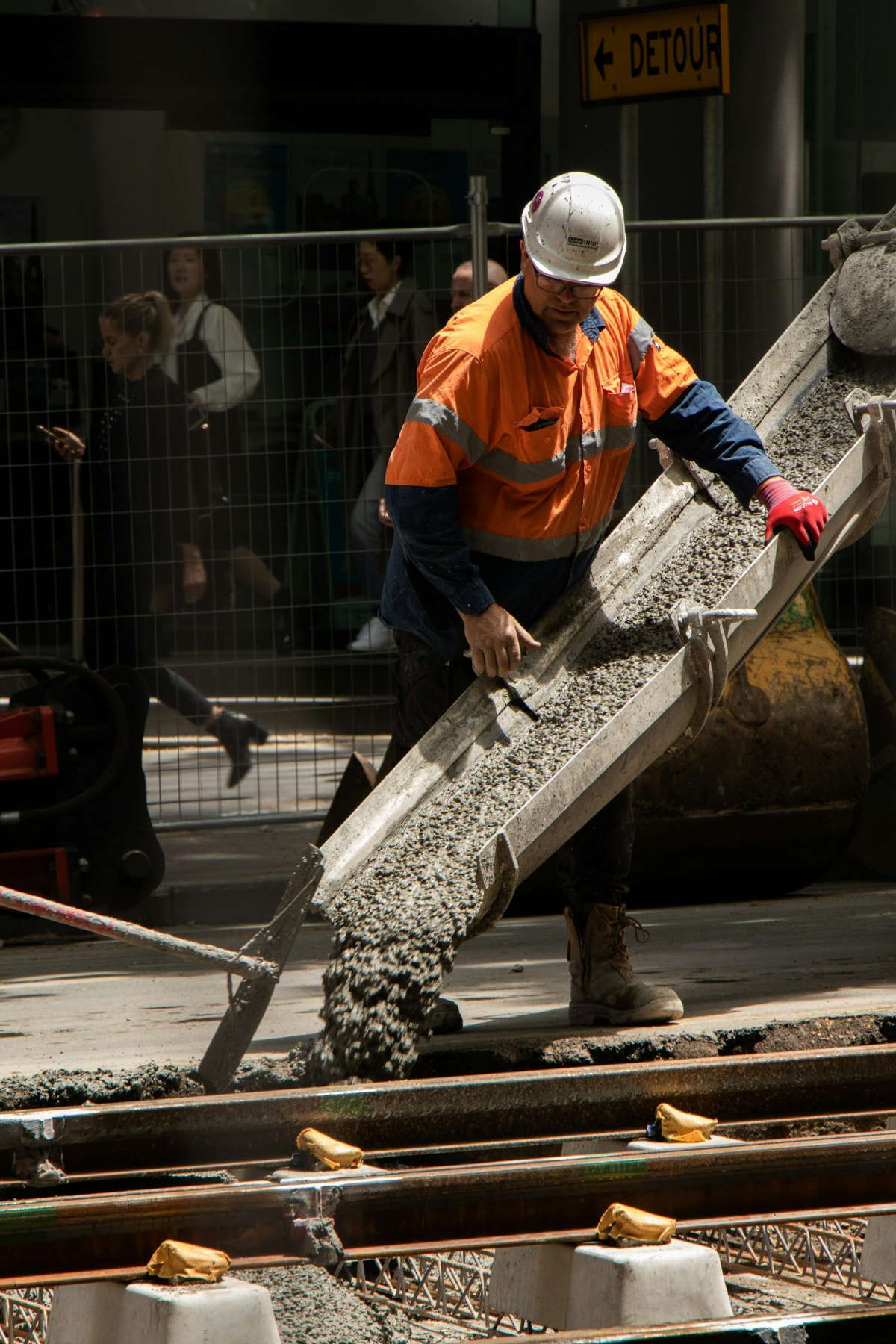
Hard floors, safety boots and long shifts add up.
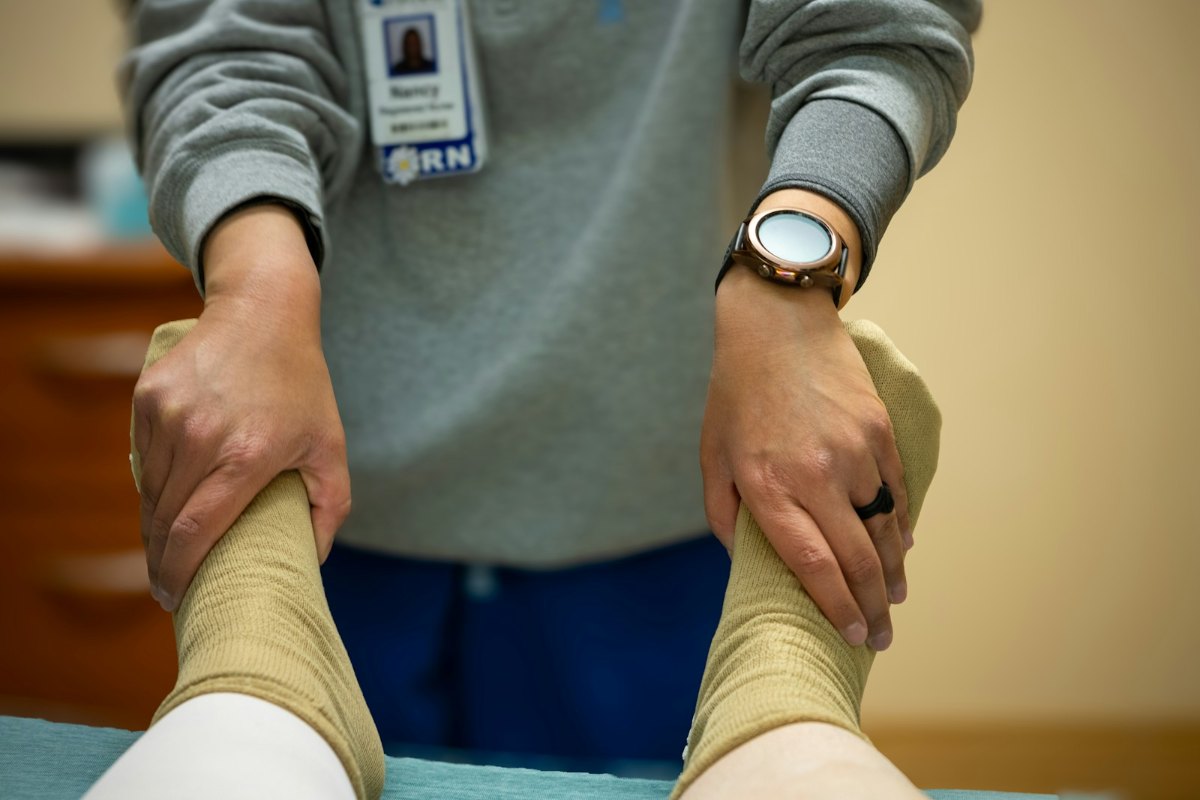
Some feet need pressure relief to stay healthy.
Custom orthotics and good shoes help protect feet that have lost feeling. They spread out pressure and lower the chance of a sore starting or coming back.
Have an open wound or Charcot foot? We also provide offloading, including walker boots and Charcot boots. Call or text 306-566-4666 to learn more.
After a toe or partial foot amputation, most people need a custom orthotic with a carbon fibre insert. The carbon plate is stiff from heel to toe. It works as a rigid toe lever that does the job the missing toes used to do. This lets you push off when you walk, instead of rolling over the end of the foot.
A soft toe filler fills the empty space in the shoe. It keeps the foot from sliding forward and spreads out pressure on the scar and the rest of the foot.
There is no single design. We choose the length, shape, firmness and top cover to fit your feet, your shoes and what you do.
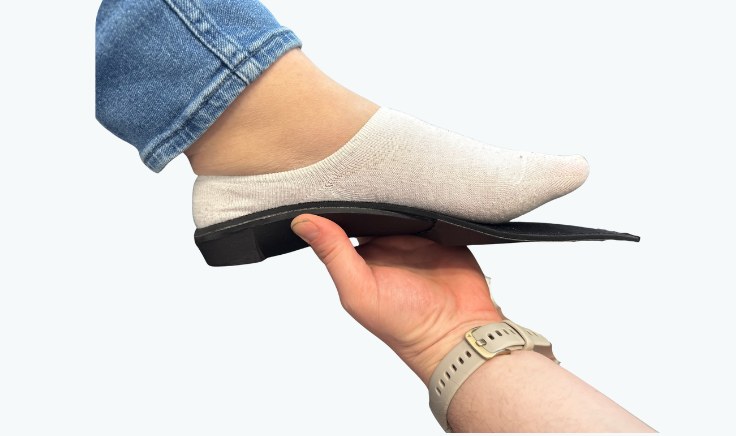
Flexible support for walking, errands and long days. Fits most runners, boots and wider casual shoes.
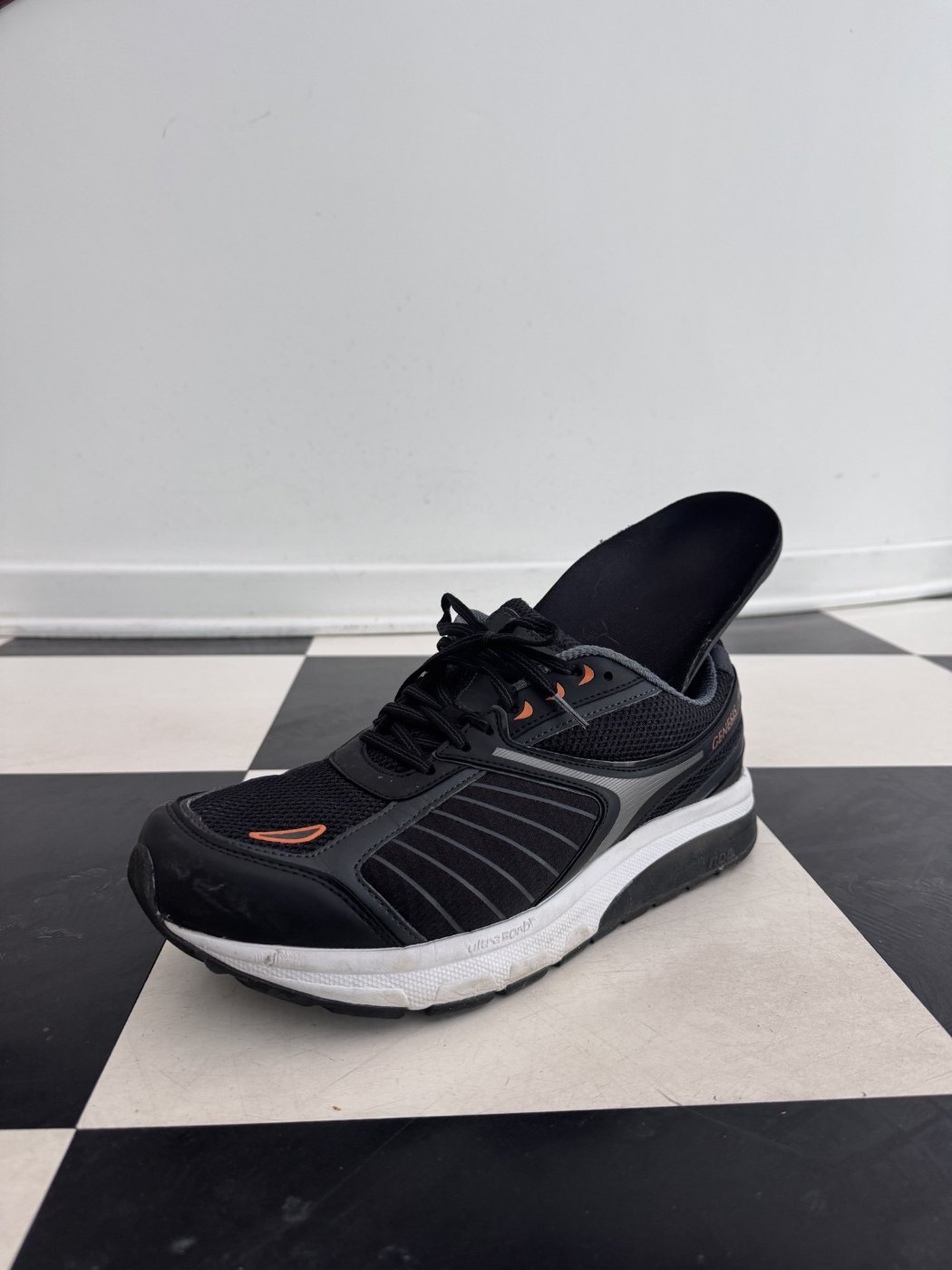
Firmer support and a top cover that wicks sweat, for running, training, court sports and hiking.
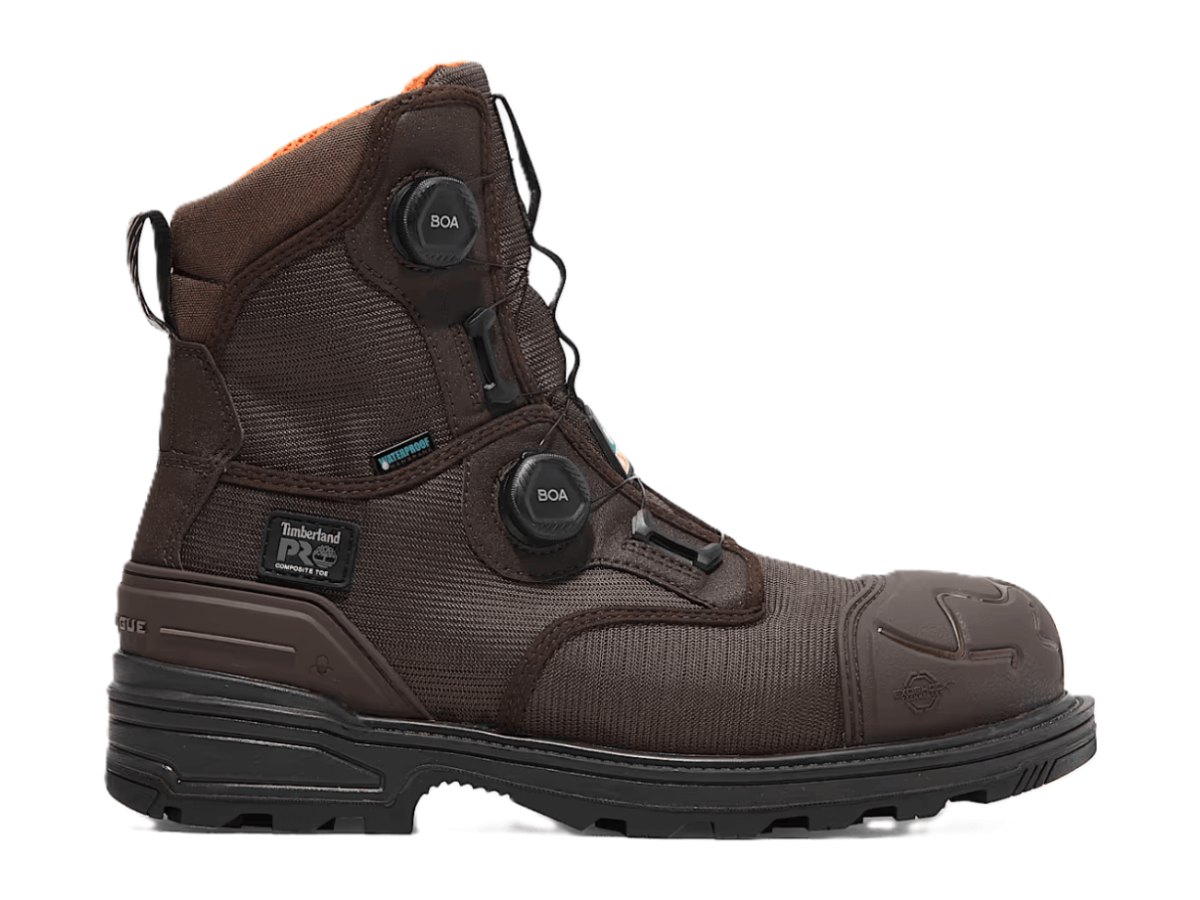
A tough shell and cushion for steel toe and composite toe boots, long shifts and hard floors. Built to fit the boots you wear, from lace-ups to BOA dial boots.
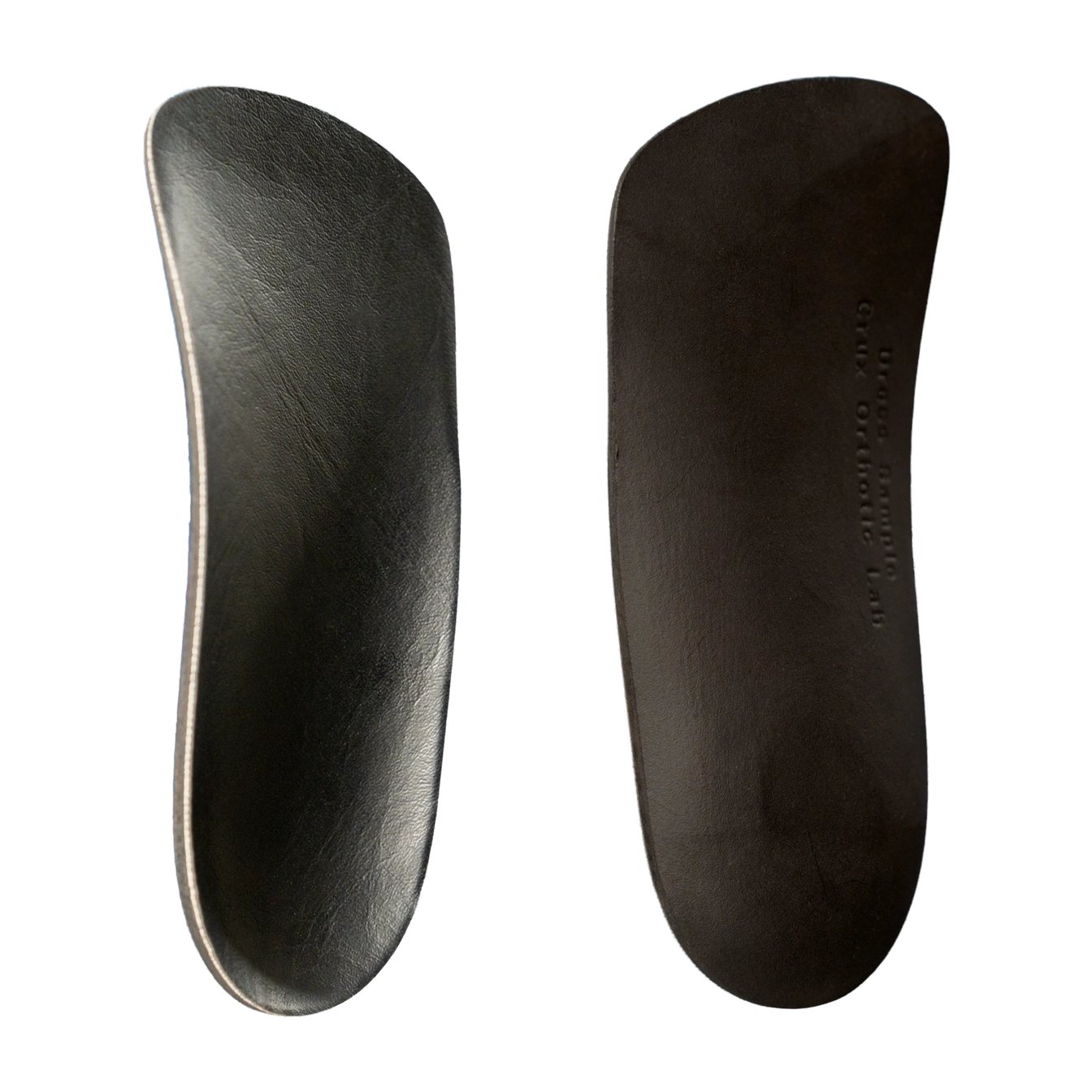
Thin support for dress shoes, flats and loafers. Can be 3/4 length or a cobra cut.
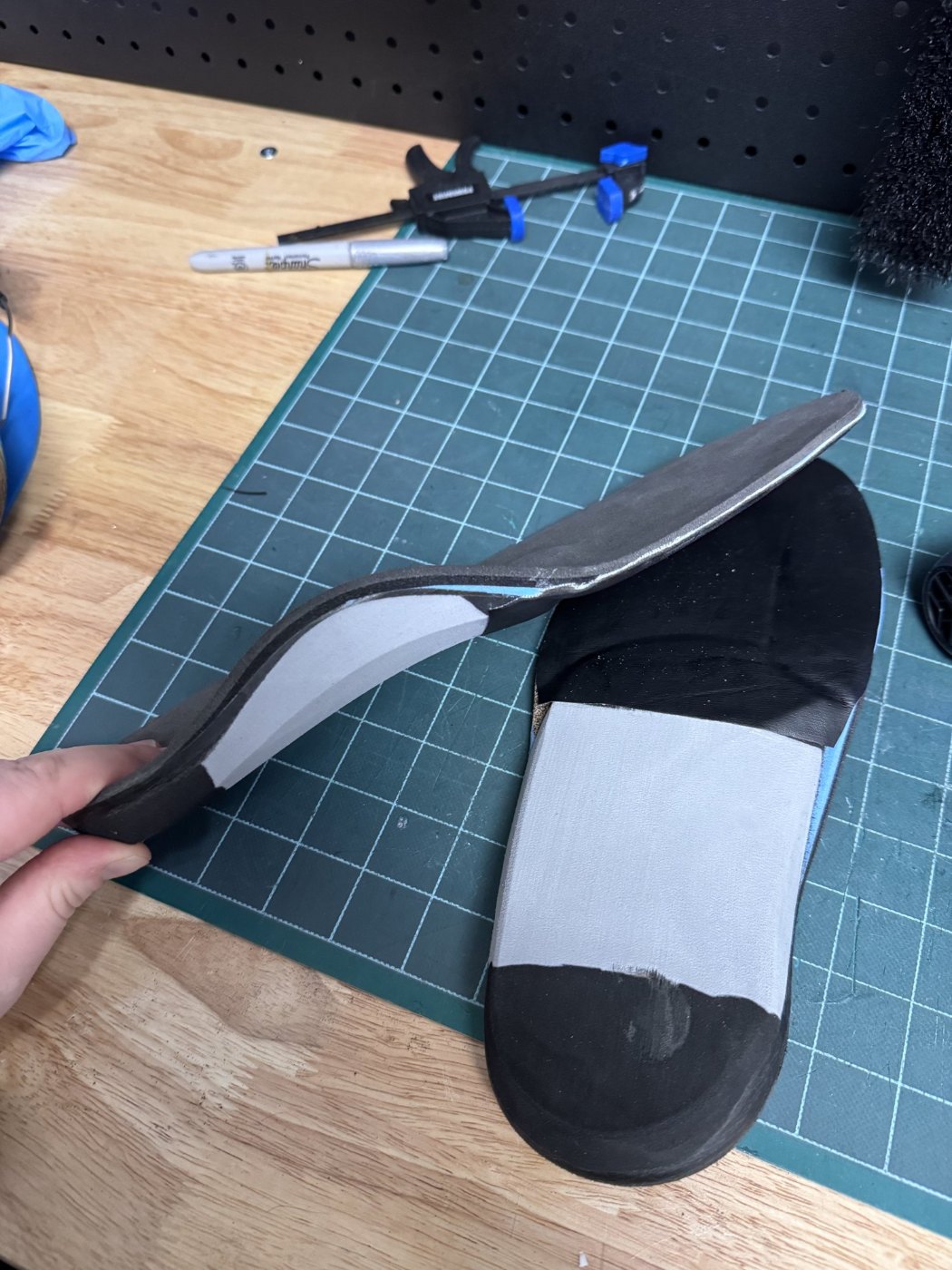
Soft layers that relieve pressure for diabetes, arthritis and fragile skin. Carbon fibre inserts and toe fillers after partial foot amputation.
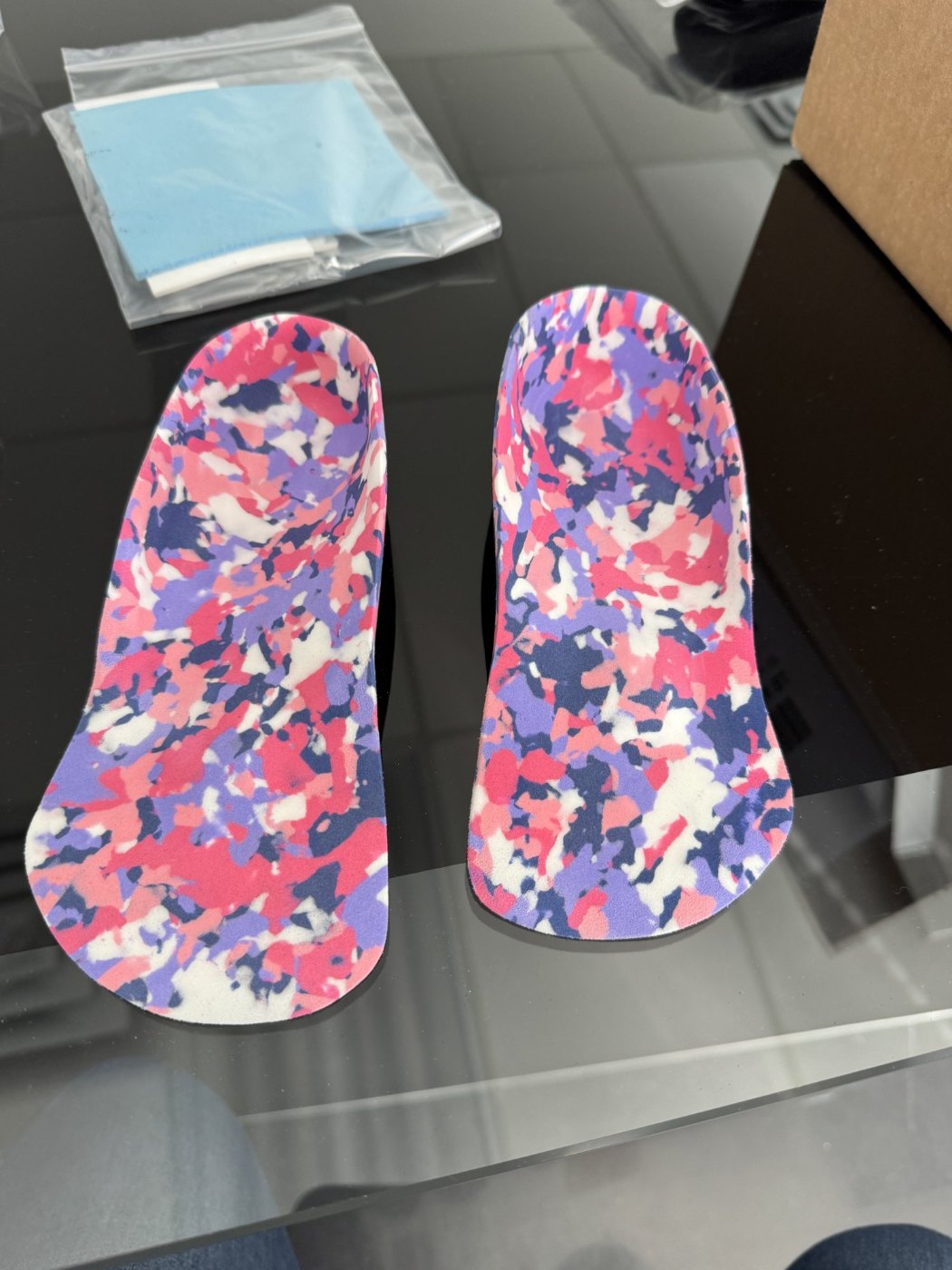
Fun colours and patterns for flat feet, foot pain or sport. Kids may need a new pair as their feet grow.
Most of our shells are 3D printed from your scan, so a new pair can be made the same way every time. Some feet do better with foam, and we use it when it is the better fit. Top covers come in black, bright colours and patterns, leather, and soft diabetic foams.
Our clinicians help you find the right amount of support.
An orthotic is only as good as the shoe it sits in. Many new shoes are made with very soft foam. We call them marshmallow shoes. They feel comfy at first, but they squish down and tip over time, and they cannot hold an orthotic steady.
Quality has also changed in many shoes we used to trust. If you are having a hard time finding good shoes, you are not alone. We can help.
We keep Cambrian orthopedic shoes in the clinic. They are made to hold an orthotic, with a firm heel, a removable insole, extra depth and a choice of widths. Forgot your shoes, or can’t find a pair that works? Try them on at your fitting and leave ready to go.
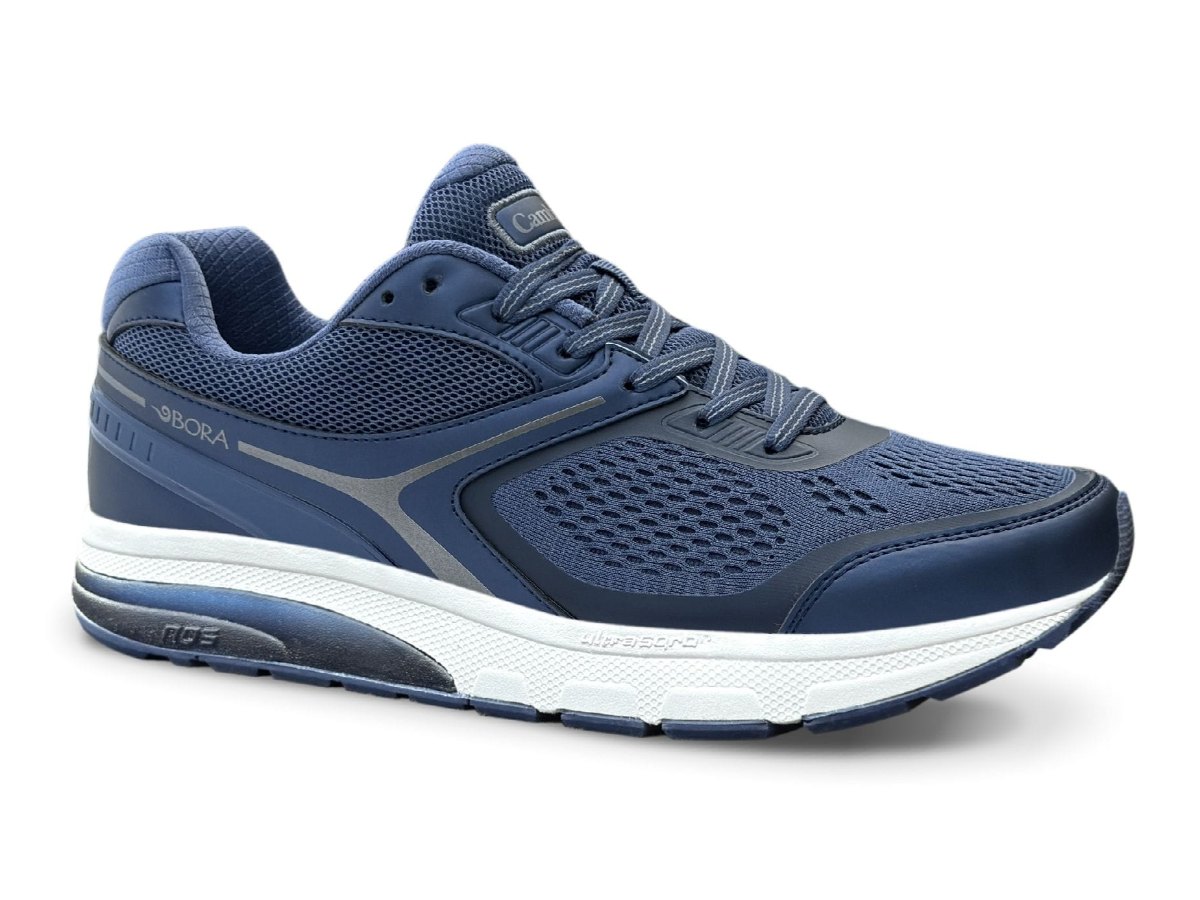
A light, breathable walking shoe with a stiff midfoot that resists twisting. Shown in the men’s estate blue.
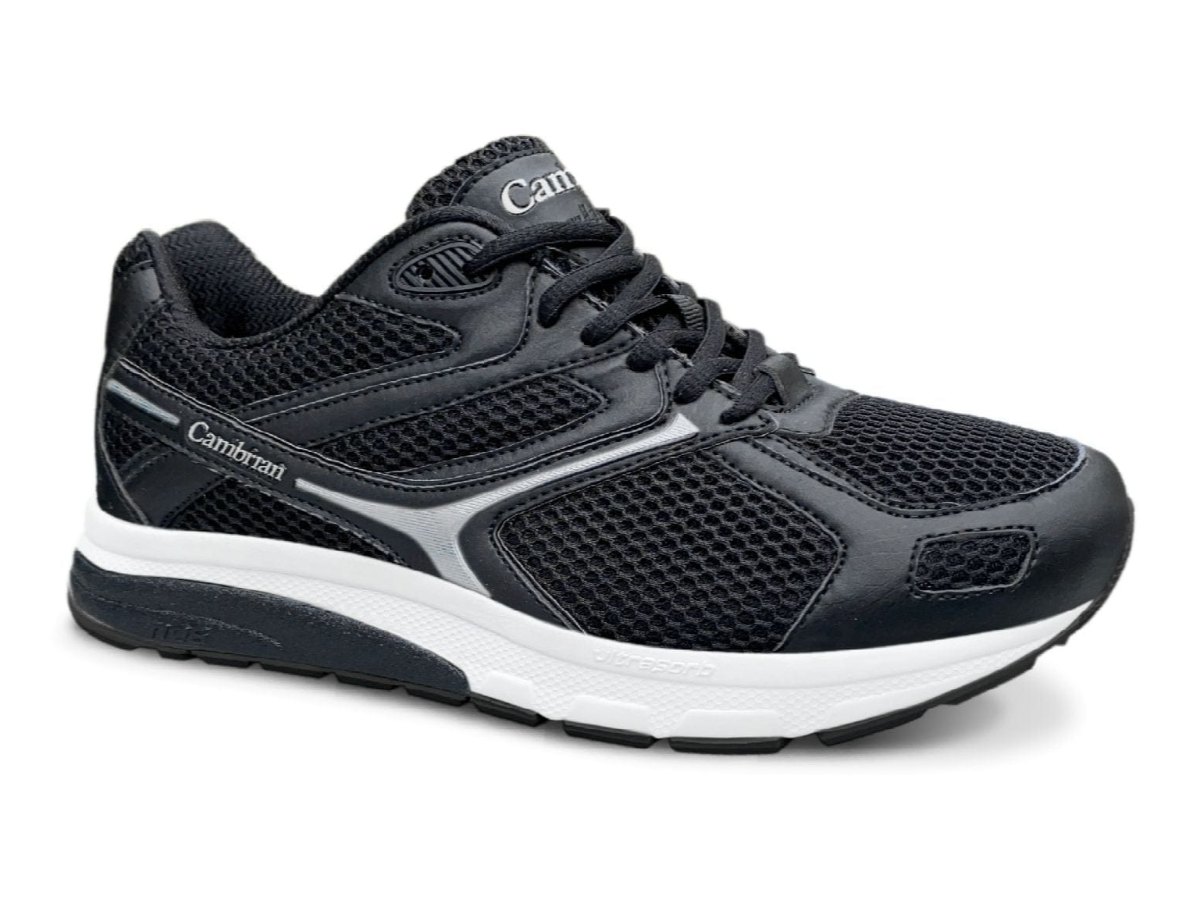
A supportive walking shoe with extra depth and a firm heel, for long days on your feet. Shown in black and white.
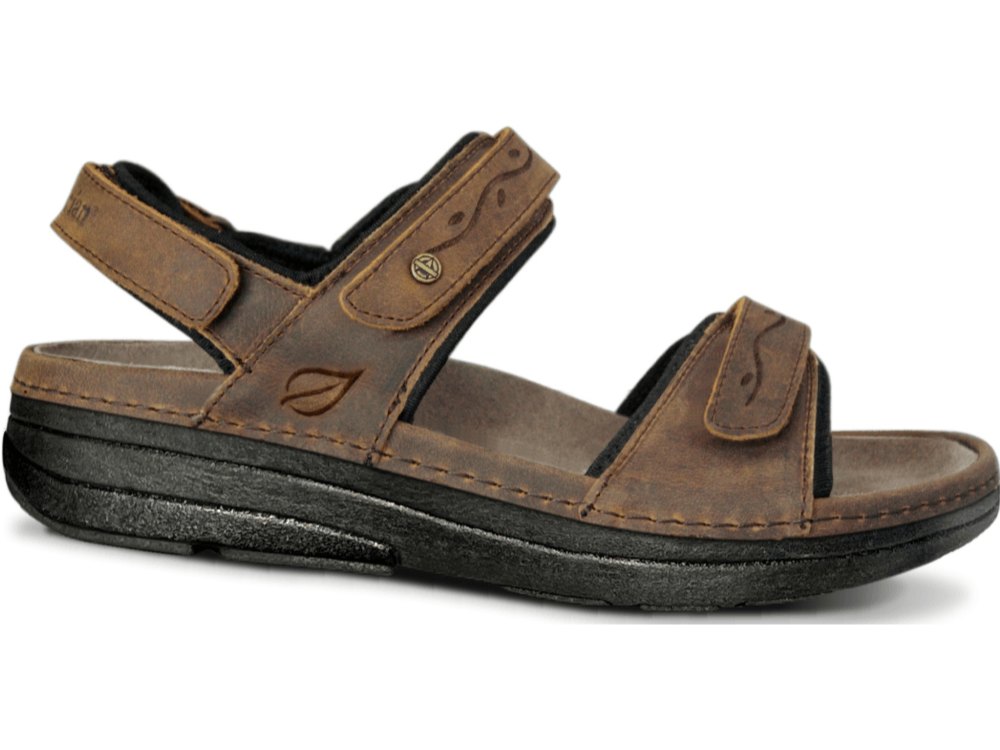
An adjustable leather sandal with a removable footbed, so many orthotics can go in it. Shown in brown.
Ask us for our free shoe shopping guide. Here is what to look for:
Some feet do not fit any store-bought shoe. This can happen with Charcot foot, severe foot shape changes or partial foot amputation. For these cases, we can make custom shoes.
With Charcot foot, the bones in the middle of the foot weaken and collapse. The arch can drop until the sole curves down like the bottom of a rocking chair. This is called a rocker bottom foot. It puts high pressure in the middle of the sole, where wounds often start.
These feet usually need both custom foot orthotics and custom or extra depth shoes, often with a rocker sole, to spread out pressure and protect the skin.
Your custom foot orthotic journey, step by step.
Some insurance plans need a prescription from your doctor. You can book your consultation and assessment before you have one.
We talk about your pain, work, activities and shoes. We watch you stand and walk, check your foot shape and how your joints move, and take a 3D scan, plaster cast or foam box impression of your feet.
We choose the design, length and top cover with you, based on your assessment, your shoes and your funding.
Bring the shoes you wear most. We fit the orthotics in your shoes and watch you walk. No good shoes? Try our Cambrian shoes at the fitting.
You get a break-in schedule to follow at home. If something does not feel right, call us. Adjustments are included for the first 3 months.
We work with family doctors, podiatrists, sports medicine physicians, orthopedic surgeons, physiatrists, vascular surgeons and wound care teams.
To refer, use your own prescription pad or our online referral, and fax to 1 (306) 912-7807. Include the diagnosis and what you would like the orthotics to do. We contact the patient to book.
You can book a consultation and assessment without one. Many insurance plans need a prescription from your doctor before they pay, so check your plan first.
Many extended health plans cover custom foot orthotics. Some plans pay the full cost and some only pay part of it. Any amount your plan does not pay is your responsibility. Our price is the same no matter which insurance company you have or who is paying, so please check your coverage before your appointment. Payment, or confirmed funding approval, is needed before we make your orthotics. We direct bill SAIL, NIHB, Métis Nation-Saskatchewan, SGI, Veterans Affairs Canada and WCB when you are eligible. For private insurance, we give you the paperwork to submit your claim, including your biomechanical assessment.
Usually not. Flat feet are not a problem on their own. We treat pain, not foot shape. If you have no pain in your feet, knees or hips, we may suggest strength work or better shoes instead.
Look for a firm heel, an insole you can take out and a wide, deep toe box. Very soft “marshmallow” shoes cannot hold an orthotic steady. We stock Cambrian shoes and can guide you to other good options.
Most people take 1 to 3 weeks. Start with 1 to 2 hours a day and add about an hour each day. Wait to run or jump until your feet feel used to them. Some people can wear them all day right away.
It depends on your weight, your activity and the design. The shell often lasts several years, and our shells have a 5 year warranty. Top covers wear out sooner and can be replaced. If your pain comes back or your orthotics feel different, call us to book a check.
A Certified Orthotist finds the design that fits your feet, your shoes and your day.
Call or text 306-566-4666, or book a consultation online.
Photo credits: concrete worker and foot check via Unsplash. Work boot photo: Timberland PRO.