

Custom bracing
An AFO is a brace for the lower leg, ankle and foot. It gives support where your body needs it, so you can stand and walk more safely and with less pain.
Common reasons people wear an AFO:
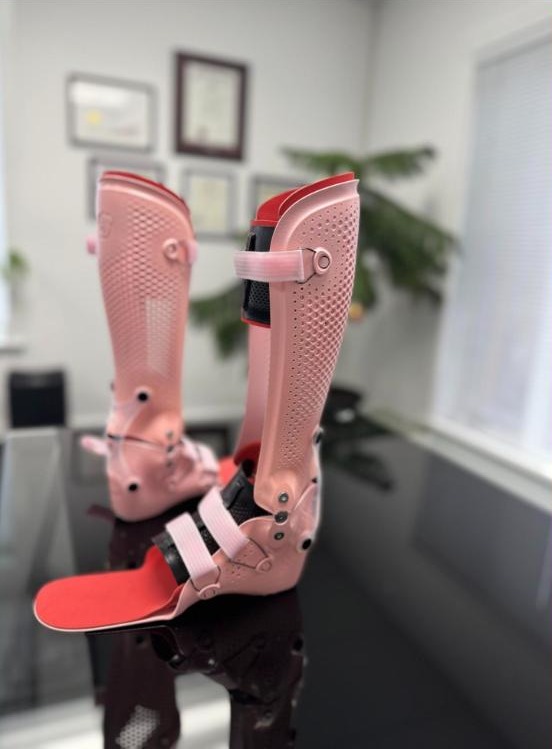
An ankle foot orthosis, or AFO, is a brace that goes from just below the knee to the foot. It is shaped like an L. It fits inside your shoe and is held on with straps.
An orthosis is a brace that supports, lines up or helps a part of the body that is not working the way it should. AFOs can be made from plastic, carbon fibre, metal, leather or 3D printed materials.
A Certified Orthotist, CO(c), is trained to assess, design, make and fit AFOs. This training combines how the body moves, how nerves, muscles and bones work, and how materials behave.
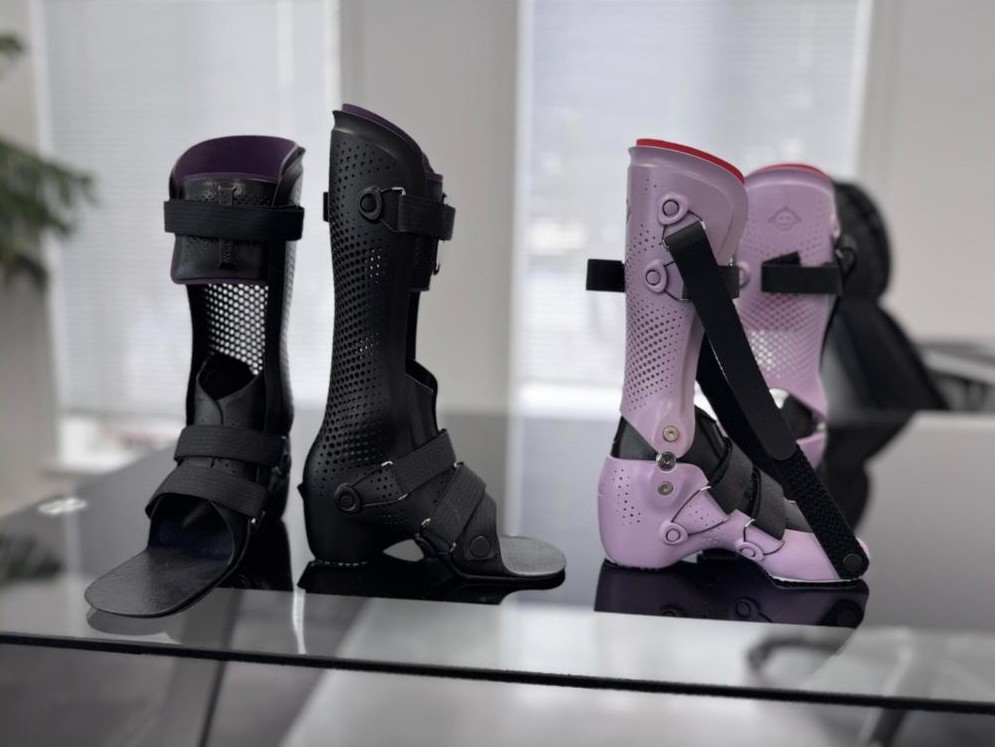
An AFO works best as part of a plan with exercise and physiotherapy.
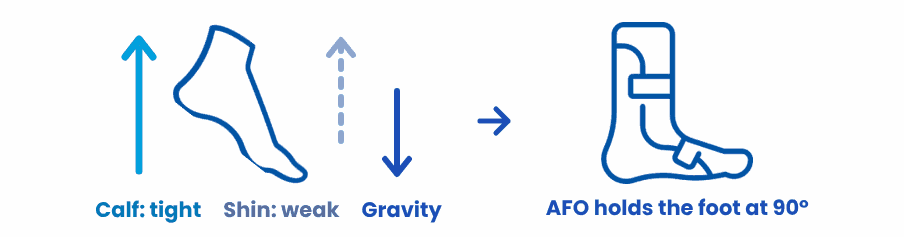
A tug-of-war. With spasticity, the brain’s signals to the muscles get mixed up, so muscles are often both tight and weak. The calf can be tight, and the shin muscles that lift the foot are often the weakest. Gravity and the tight calf pull the toes down.
Growing makes it harder. Tight muscles grow more slowly than bones. Joints can get stuck (contractures), like toe walking or crouched knees.
Braces hold good alignment. They keep joints lined up and tight muscles on a gentle stretch, which can help slow contractures.
Walking takes less effort. A steady, well-aligned foot helps each step work better, so walking can feel more natural and use less energy.
Most reasons fall into two groups. Some people have both.
The brain, spinal cord or nerves are not sending clear signals to the muscles. Muscles can be weak, tight (spastic) or both.
The problem is in the bones, joints, muscles or tendons. The brace protects, supports or takes weight off.
These are changes in how you walk that an AFO may help with. If you notice them in yourself or your child, talk to your doctor or book a consultation.
No single AFO fits everyone. The right type depends on what your muscles can do, the shape of your foot and what you want to get back to.
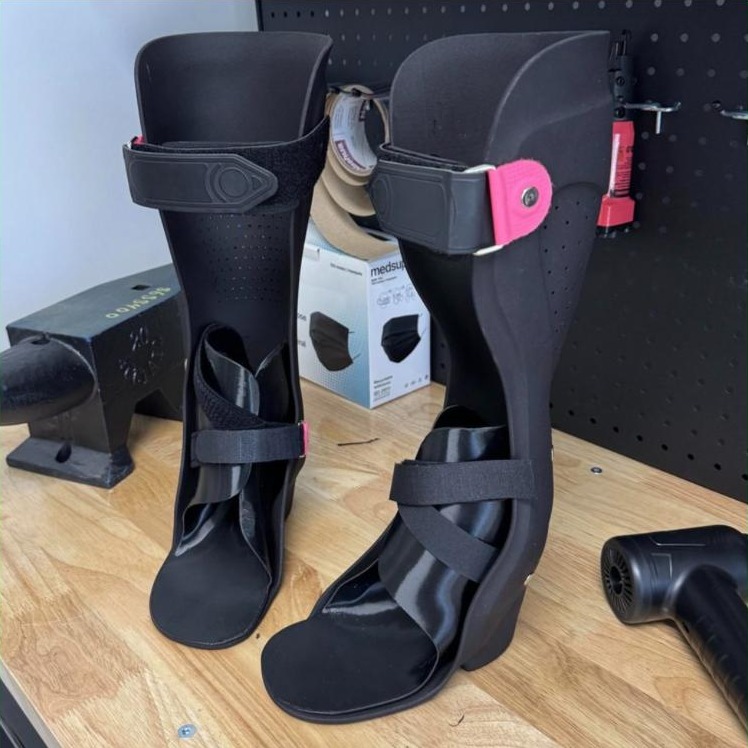
One solid piece that holds the ankle still. Gives the most support for very weak ankles, spasticity or a foot that needs to be held in place.
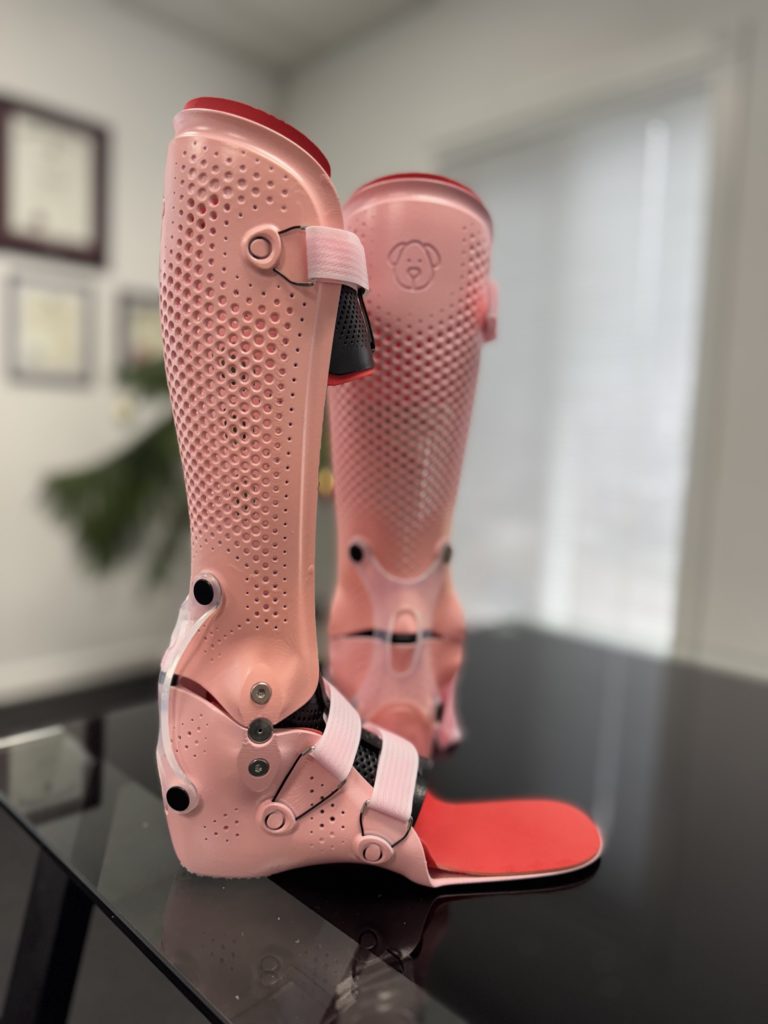
Has ankle joints so the ankle can bend. Controls how far the foot moves, while still helping with walking, stairs and getting up from a chair.
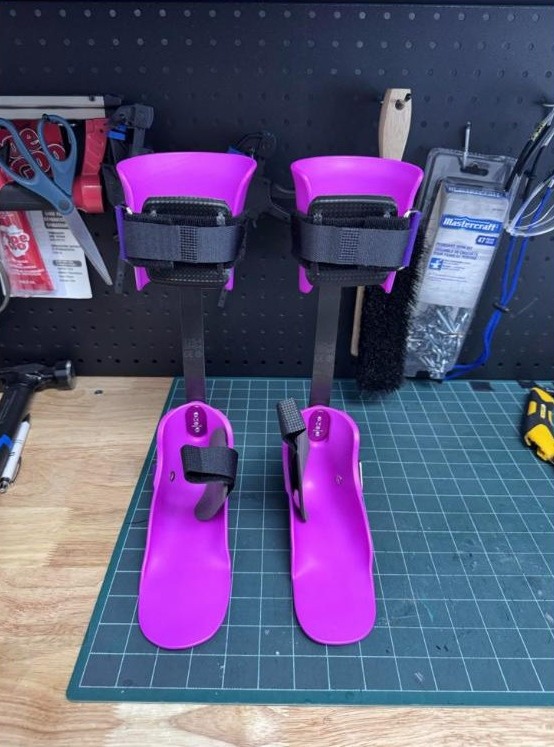
A thin, flexible strip behind the ankle. Lifts the toes when you step and bends as you walk. Often used for foot drop.
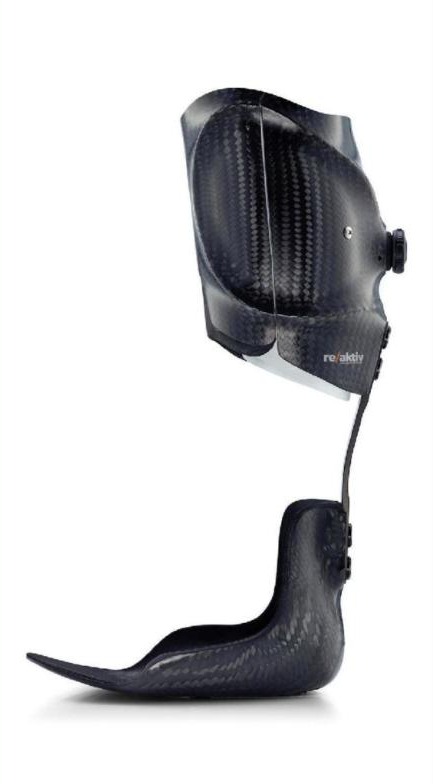
Has a springy strut behind the leg. It bends as you step and springs back as you push off, so you get support while your muscles keep working.
Example photo: Fabtech
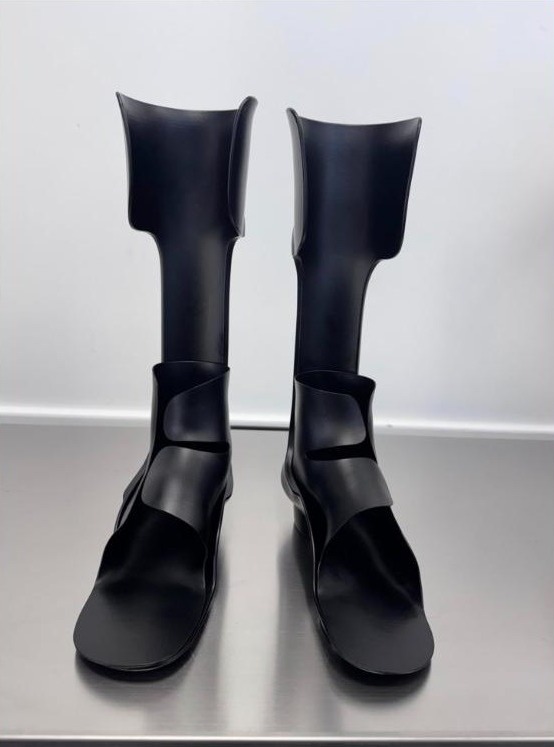
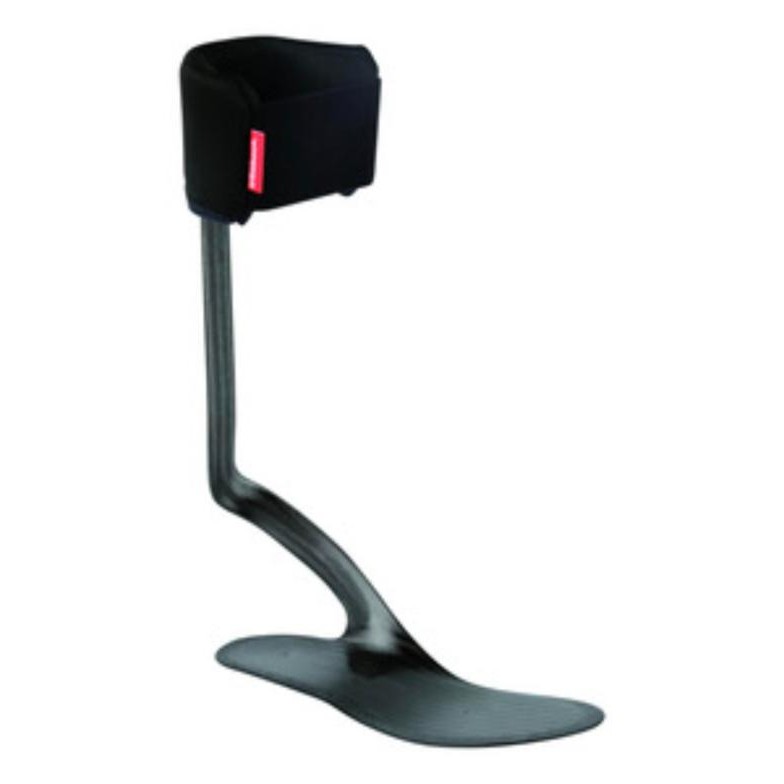
Energy storage and return. Stores energy as you step forward and gives it back as you push off. Light and springy, for weak calf muscles or foot drop.
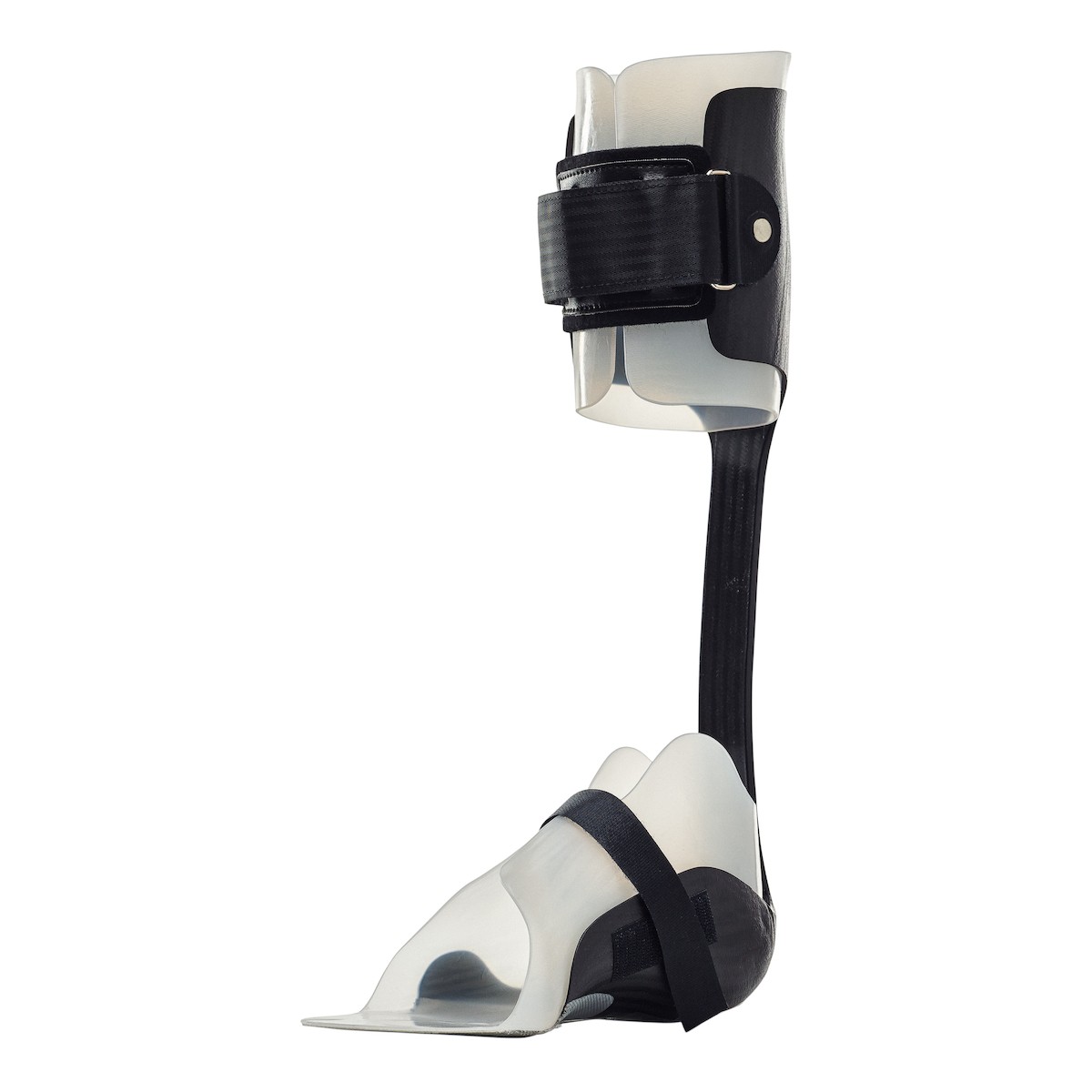
Very light and strong. Can be custom made or ready-made, and is thin enough to fit many shoes.
Photo: Ottobock
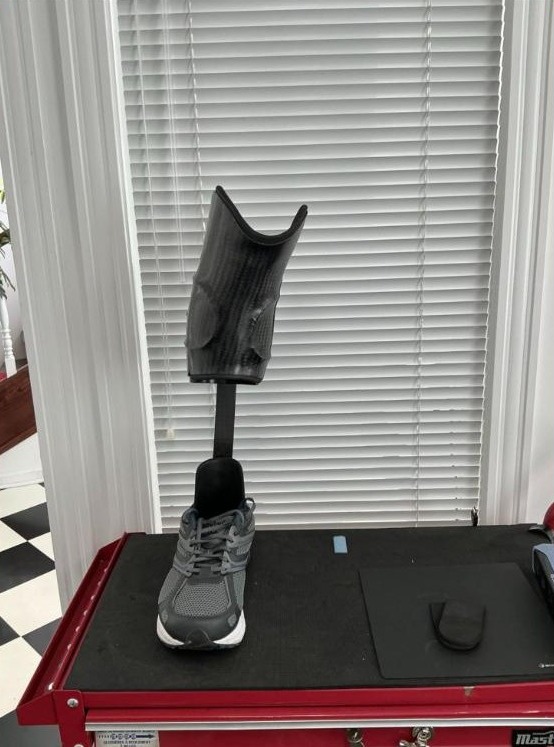
Patellar tendon bearing. A front shell sits just below the kneecap and carries some of your weight, so less goes through the foot and ankle. Used to protect a painful or healing foot or ankle, such as after a crush injury, fracture or surgery.
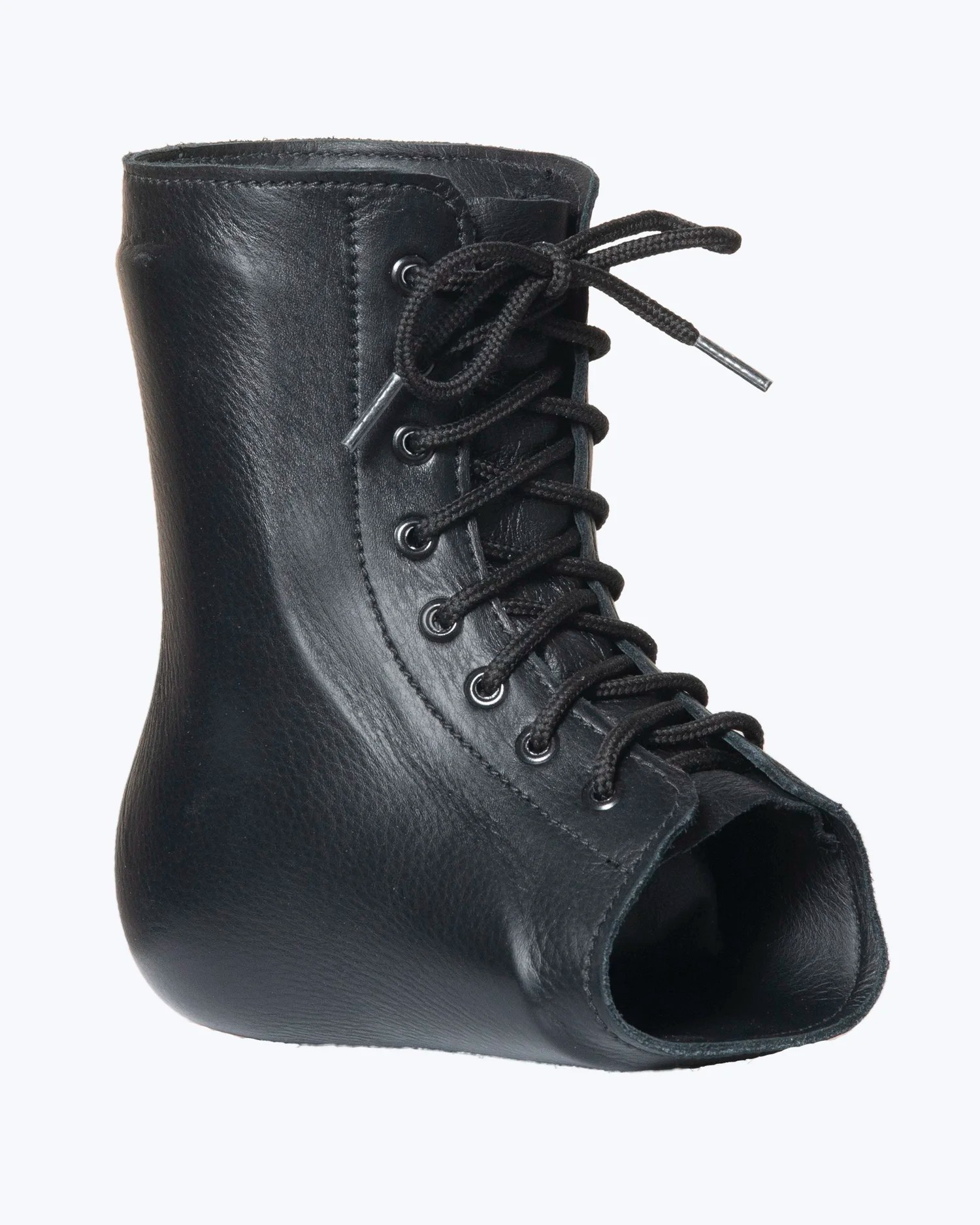
Wraps snugly around the ankle and foot, often with laces. Gives firm side-to-side support for arthritis, a collapsing flat foot or an ankle that rolls.
Example photo: Black Octopus
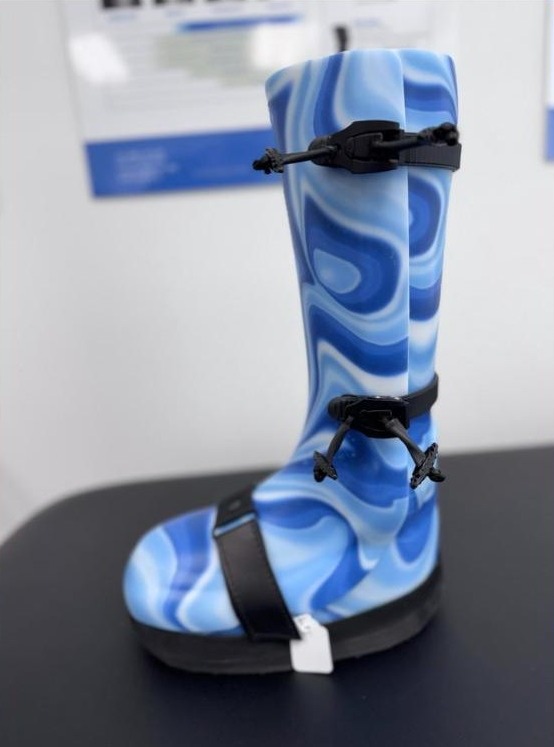
Charcot restraint orthotic walker. A boot-style brace that closes all the way around the foot and lower leg, with a rocker sole. It protects the foot and spreads out pressure, often for Charcot foot or sores from diabetes.
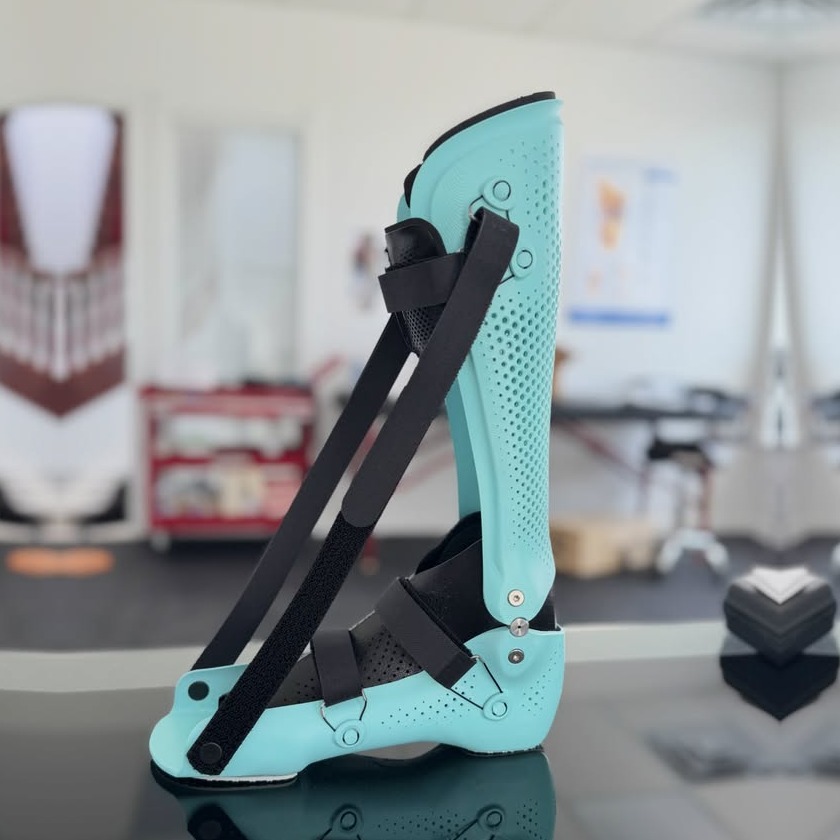
Worn in bed. Holds a gentle stretch on tight calf muscles while you sleep.
Ready-made in set sizes and adjusted to fit you. For simpler needs, short-term use or while a custom brace is made.
Photo: Ottobock WalkOn
Need less support? A foot orthotic or SMO may be enough. Need support at the knee too? A KAFO goes above the knee.
Our clinical experts help you find the right amount of bracing. You get the support you need, and your muscles still do as much work as they can.
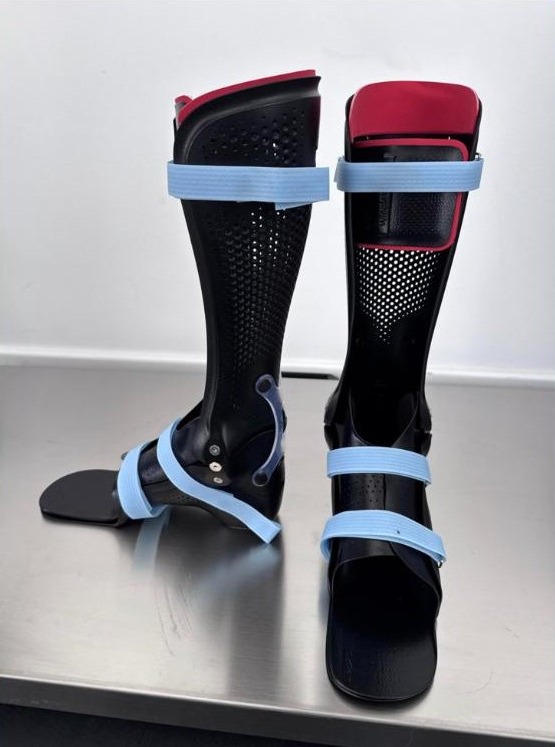
We watch you walk and check your strength, joint movement and balance. Then we match the type of AFO to your body and your goals.
We use 3D scanning and digital design, along with traditional casting and hands-on skills, so the brace fits the shape of your leg.
We work with your specialist, family doctor and physiotherapist.
Bodies change. As you get stronger, as a child grows, or if a condition changes over time, we adjust or change the brace to match.
Your AFO treatment journey, step by step.
A custom AFO needs a prescription from your doctor. You can book your consultation and assessment before you have one.
We talk about your condition, health history, daily life, shoes and goals. We watch you walk and check your joint movement, muscle strength and balance. Then we 3D scan or cast your leg.
We choose the best AFO with you, based on your assessment and funding. You can pick colours and designs, and add features like padding or air holes. For some needs, we suggest a ready-made brace and adjust it to fit.
Most AFOs are ready in 2 to 4 weeks. We fit the brace, check how it works when you walk, and make any changes.
Start with about an hour on day one and add time each day. Regular check-ins make sure your brace still fits and works as your needs change.
We work with orthopedic surgeons, physiatrists, neurologists, pediatricians, family doctors and therapists.
To refer, use your own prescription pad or our online referral, and fax to 1 (306) 912-7807. Include the diagnosis and what you would like the brace to do. We contact the patient to book.
A prescription is required before an AFO is made and dispensed. For SAIL funding, the prescription must come from a specialist.
Planning botulinum toxin injections or surgery? Let us know so we can time the cast or scan.
You can book a consultation and assessment without one. A prescription from your doctor is needed before an AFO is made and dispensed. For SAIL funding, the prescription must come from a specialist.
Most AFOs fit in a sturdy shoe with laces or straps and a removable insole. You may need a wider shoe or a bigger size. We can help you find shoes that work.
Start with about an hour on the first day and add time each day. Wear a clean sock that goes higher than the brace. Call us if it hurts or if red marks do not fade.
It depends on why you need it. Some people wear one for a short time after an injury or surgery. Others wear one long term. Children need new braces as they grow.
Yes. We can give the school written steps for putting the braces on, taking them off and caring for them.
Most AFOs we make are custom, shaped from a scan or cast of your leg. Some needs are met with a ready-made brace. We tell you which is right for you and why.
A Certified Orthotist is a clinical expert in bracing. We find the support that fits your body and your goals.
Call or text 306-566-4666, or book a consultation online.