

Custom bracing
An SMO is a short brace for the foot and ankle. It holds the heel and arch in a good position, so standing, balance and walking take less effort.
Common reasons children wear SMOs:
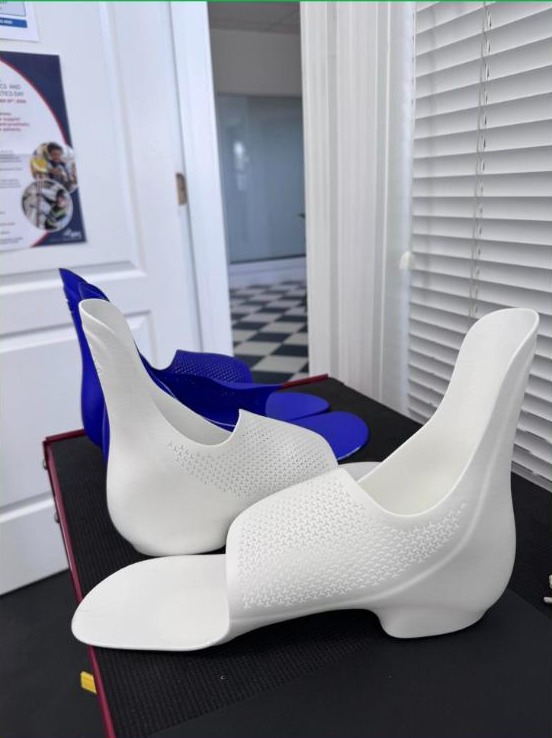
Supramalleolar means “above the ankle bones.” An SMO wraps around the foot and comes up just above the bumps on each side of the ankle. It fits inside the shoe.
An SMO is shorter than an AFO. It steadies the foot and ankle but still lets the ankle bend up and down. Most SMOs are for children.
A Certified Orthotist, CO(c), is trained to assess, design, make and fit SMOs.
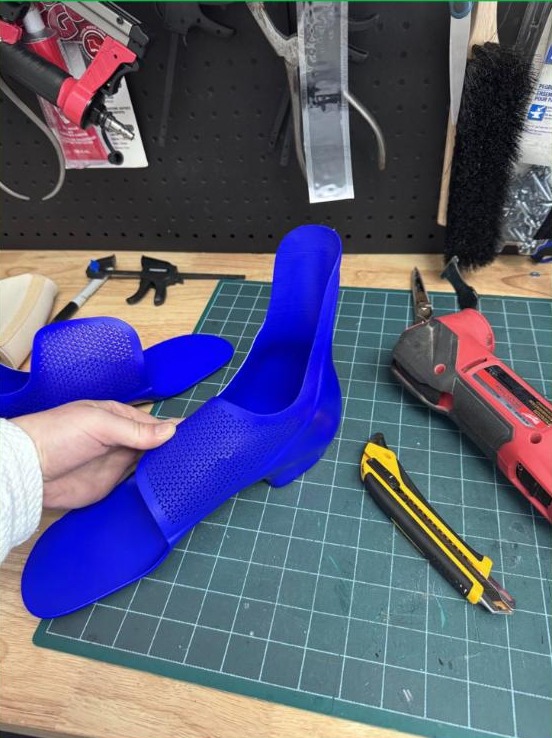
Most reasons fit into one of three groups. Some children have more than one.
Low muscle tone or loose joints let the arch drop and the ankle roll in. The SMO holds the foot up and steady.
High muscle tone (spasticity) can pull the foot in or out of line. The SMO holds the heel straight and the foot flat.
Many toddlers walk on their toes. Most walk heel first by about age 3. If toe walking keeps going, a toe walking SMO can help.
The right SMO depends on your child’s muscle tone, foot shape, age and goals.
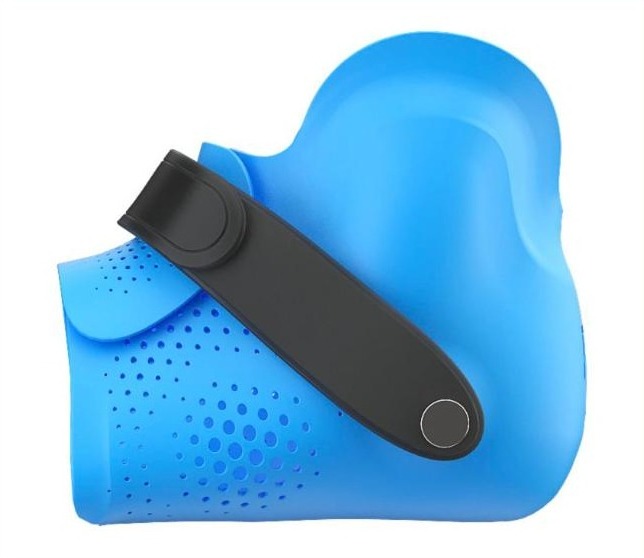
Thin and bendy. Gives gentle support for young children with mild low tone and feet that roll in.
Made from a 3D scan of your child’s foot. Firm where support is needed, with air holes to keep it light and cool.
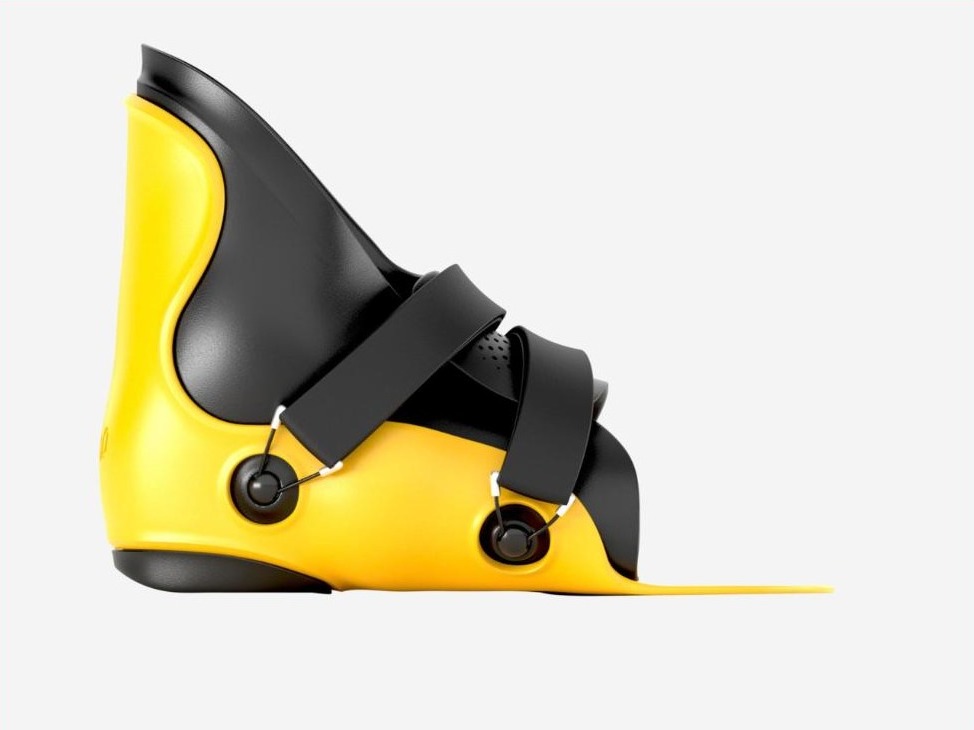
Has a higher back that stops the toes from pointing down. The ankle can still bend up, so your child can step heel first.
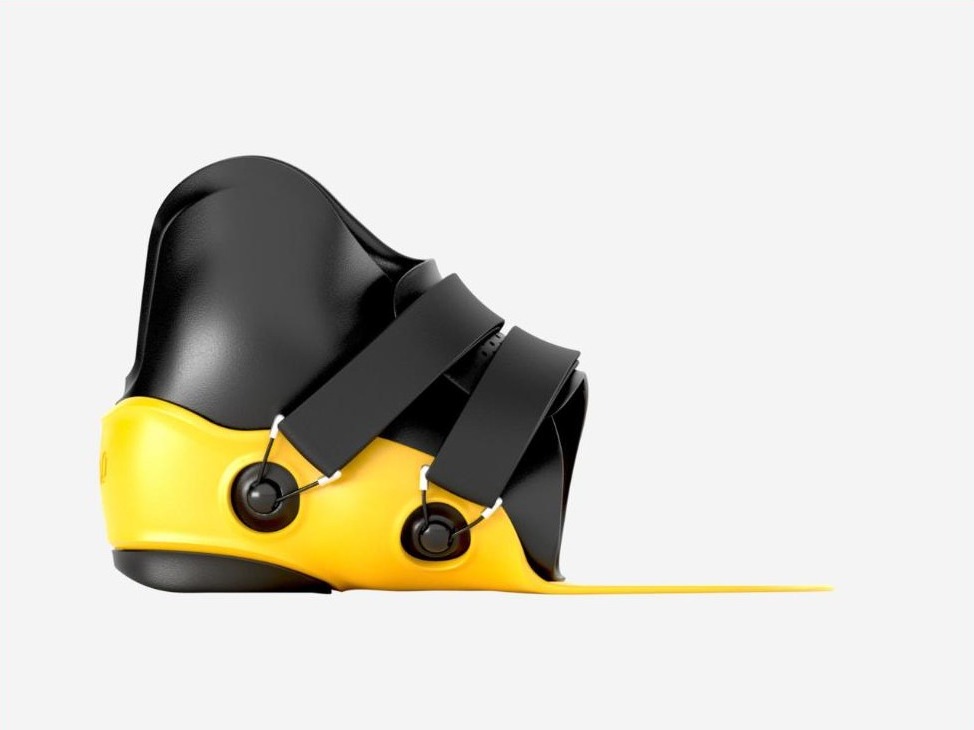
A soft boot inside a firm shell. Comfortable and snug for feet that roll in or out, including with tight muscles.
Need less support? A foot orthotic may be enough. Need more control at the ankle? An AFO goes higher up the leg.
Our clinicians help you find the right amount of bracing. Your child gets the support they need, and their muscles still do as much work as they can.
Your child’s SMO treatment journey, step by step.
A custom SMO needs a prescription from your doctor. You can book your consultation and assessment before you have one.
We talk about your child’s health, daily life, shoes and goals. We watch them stand and walk, and check their feet, muscles and balance. Then we 3D scan or cast their feet.
We choose the best SMO with you, based on the assessment and funding. Kids can pick colours and designs.
We fit the SMOs, watch your child walk in them and make any changes. We show you how to put them on and check the skin.
Start with a short time on day one and add time each day. Kids grow fast, so we check the fit often and make new SMOs when needed.
We work with pediatricians, physiatrists, orthopedic surgeons, neurologists and family doctors.
To refer, use your own prescription pad or our online referral, and fax to 1 (306) 912-7807. Include the diagnosis and what you would like the brace to do. We contact the family to book.
A prescription is required before an SMO is made and dispensed. For SAIL funding, the prescription must come from a specialist.
You can book a consultation and assessment without one. A prescription from your doctor is needed before an SMO is made and dispensed. For SAIL funding, the prescription must come from a specialist.
Choose a shoe that is wider and deeper, not just longer. Look for laces or Velcro that open wide and an insole you can take out. Some children need a bigger size. Bring the SMOs when you shop.
Start with a short time on the first day and add time each day. Use a thin sock that goes higher than the brace. Check the skin each time the SMOs come off. Red marks should fade within 20 minutes. Call us if they do not.
It depends on how fast your child grows. Many children need new SMOs about once a year. We check the fit at each visit.
A Certified Orthotist is a clinical expert in bracing. We find the support that fits your child’s body and goals.
Call or text 306-566-4666, or book a consultation online.