
Custom head protection
A protective helmet is a light, padded helmet you wear during the day. It helps protect the head from falls and bumps. We make each one from a 3D scan of your head, for children and adults.
Common reasons people wear a protective helmet:
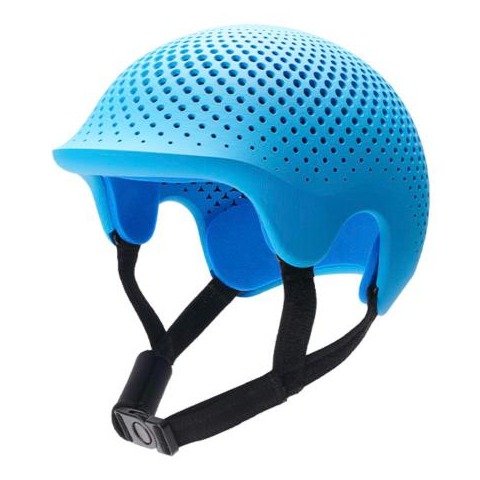
A protective helmet covers the top, back and sides of the head. It has an outer shell and soft padding inside. A padded strap under the chin keeps it in place.
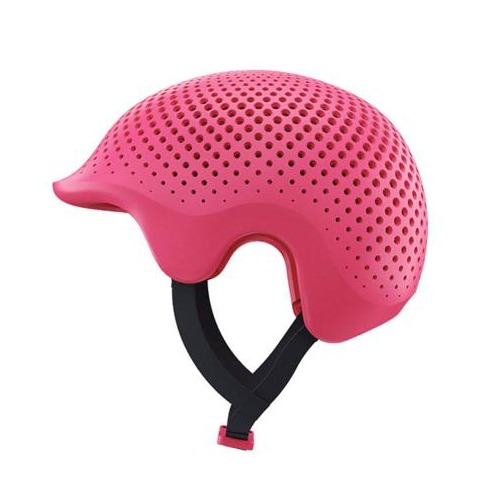
Our protective helmets are made by Invent Medical and are called Talee Protect. Each one is designed from a 3D scan of your head and then 3D printed. The shell has many small air holes, so it is light and lets air through.
A helmet can lower the risk of a head injury, but it cannot prevent every injury.
A Certified Orthotist, CO(c), is trained to assess, design, make and fit helmets and other orthoses.
Most reasons fit into one of three groups. Your doctor and our clinicians decide together if a helmet is right for you.
Some seizures make a person fall suddenly, with no warning. A helmet helps protect the head when this happens.
After a craniectomy, a piece of skull bone is taken out for a while. Doctors often advise a helmet when you are up and moving, until the bone is put back.
Some children and adults have behaviours that can put the head at risk. A helmet can protect the head while the care team works on a plan.
Talee Protect comes in two versions. The right one depends on why you need a helmet.
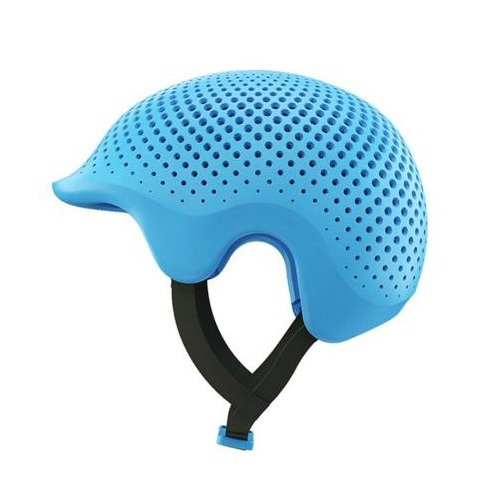
A flexible shell that bends to take in the force of a fall. Often used for people who fall during seizures or who fall often.
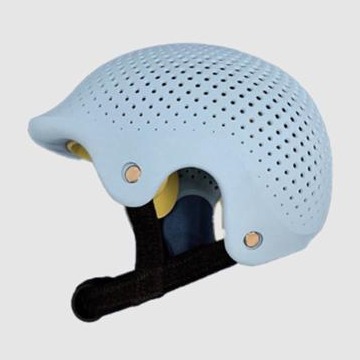
A firm shell that covers and protects an open area of the skull after a craniectomy, until the bone is put back.
Baby helmets that reshape a flat head are different from protective helmets. Learn about our baby helmets.
Our clinicians help you choose the right helmet for your needs and daily life.
A helmet only helps if it is worn. These features make it easier to wear.
A quick scan of your head means the helmet fits your shape, without guessing.
The 3D printed shell has many air holes to let heat out.
Foam padding inside makes the helmet comfortable to wear for hours.
Pick a colour you like. A helmet you like is a helmet you wear.
Your helmet journey, step by step.
A custom helmet needs a prescription from your doctor. You can book your consultation and assessment before you have one.
We talk about your health, seizures or falls, any surgery, and your daily life. We check your head shape and the areas that need the most protection. Then we take a quick 3D scan of your head.
We design the helmet from your scan and choose the version and colour with you.
We fit the helmet, check for pressure and adjust the padding and strap. We show you how to put it on, take it off and check the skin.
Start with short times and add time each day. We check the fit as a child grows, or as the head changes after surgery. Call us if the helmet rubs, slips or is damaged.
We work with neurosurgeons, neurologists, pediatricians, physiatrists and family doctors.
To refer, use your own prescription pad or our online referral, and fax to 1 (306) 912-7807. Include the diagnosis and the reason for the helmet, such as seizures, falls or craniectomy. After surgery, tell us where the skull opening is and any activity limits. We contact the patient to book.
A prescription is required before a helmet is made and dispensed. Funding may be available. Contact us to talk about your patient’s options.
You can book a consultation and assessment without one. A prescription from your doctor is needed before the helmet is made and dispensed.
Funding may be available, depending on your situation. Call 306-566-4666 or email [email protected] and we will help you look at your options.
The shell has many air holes to let heat out. Start by wearing it for short times, then add time each day as you get used to it.
Yes. The helmet is made to be worn during the day, at home, at school and at play. Let the school know when your child should wear it.
We show you how at the fitting. In general, wipe it with a damp cloth and let it air dry. Keep it away from heat, such as a hot car.
Until it no longer fits or is damaged. Children grow, so they may need a new one sooner. If the helmet cracks or takes a hard hit, call us to check it.
A Certified Orthotist takes you from the 3D scan to the final fit, and checks in as your needs change.
Call 306-566-4666, email [email protected], or request an appointment online.