

Custom bracing
A KAFO is a long leg brace that goes from the thigh to the foot. It supports the knee, ankle and foot together, so you can stand and walk with more control.
Common reasons people wear a KAFO:
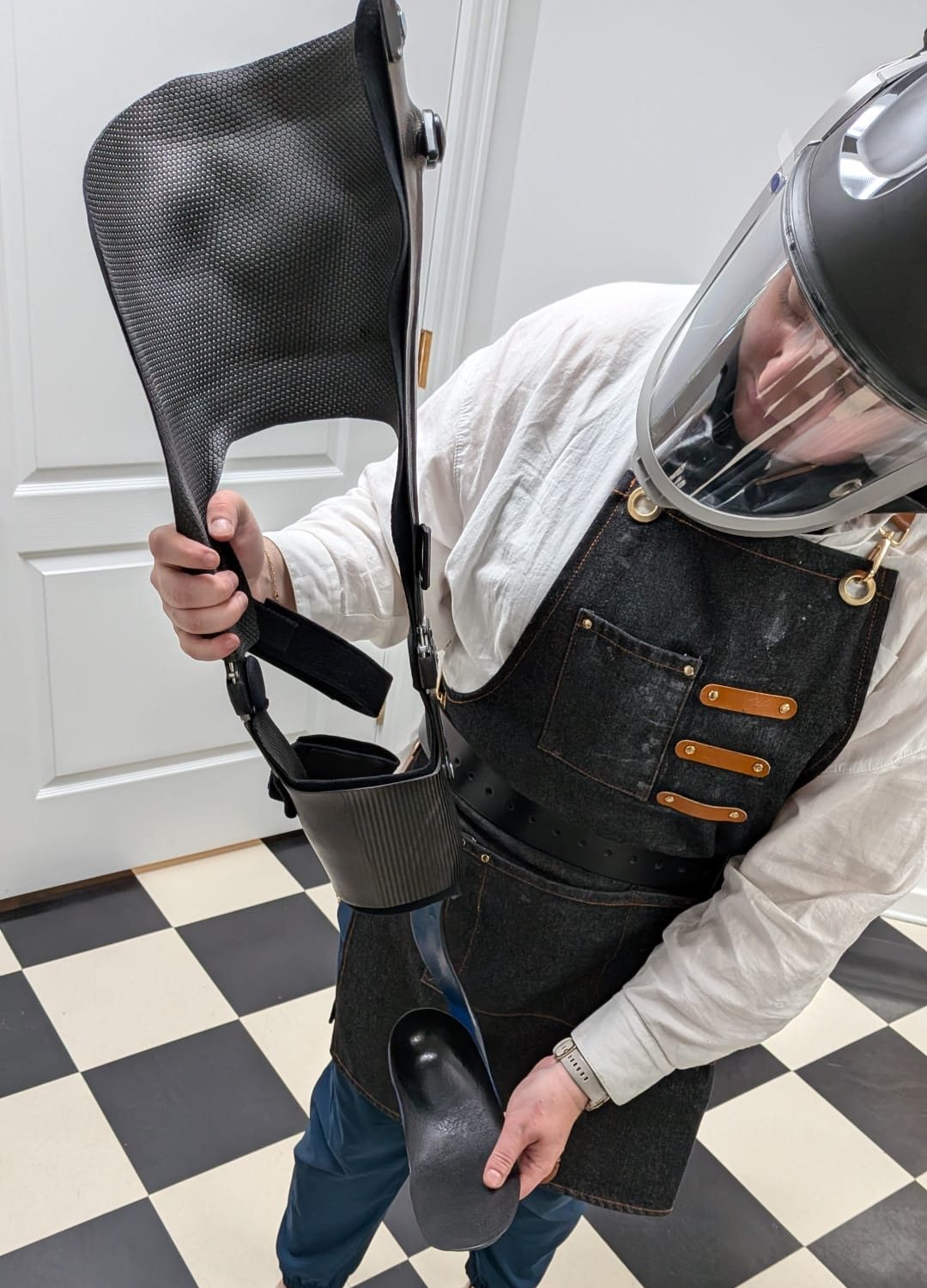
A knee ankle foot orthosis, or KAFO, is a brace that goes from the upper thigh down to the foot. It has a thigh section, a lower leg section and a foot section. A joint at the knee, and often one at the ankle, lets the brace bend where it should and hold steady where it needs to.
An orthosis is a brace that supports, lines up or helps a part of the body that is not working the way it should. KAFOs can be made from plastic, carbon fibre, or metal and leather. Most are custom made from a scan or cast of your leg.
A Certified Orthotist, CO(c), is trained to assess, design, make and fit KAFOs. This training combines how the body moves, how nerves, muscles and bones work, and how materials behave.
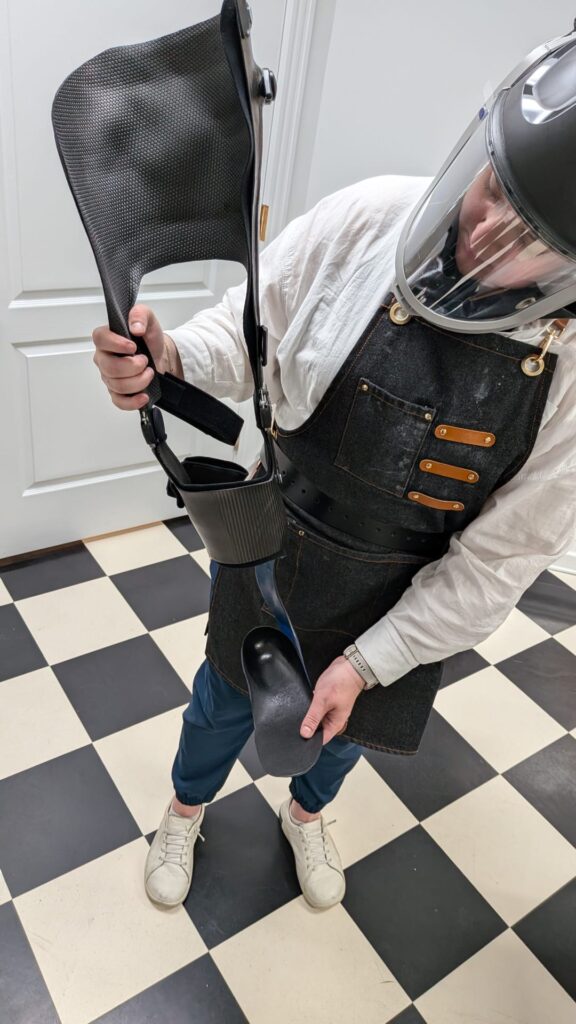
A KAFO works best as part of a plan with exercise and physiotherapy.
Weak thigh, strong hip. A stance control or microprocessor knee holds the knee steady when you stand on the leg, then lets it bend so the leg can swing.
Weak thigh and weak hip. A locked knee keeps the leg straight and safe when you walk. You unlock it to sit.
The knee bends back. Stops at the knee joint keep the knee from going past straight.
The knee gives way. A knee joint set to resist bending holds the knee straight under your weight.
The knee bows in or out. Side supports and straps hold the knee in line.
You mostly sit and stand to move to a chair or bed. A design shaped for comfortable sitting, with a lock for standing.
Most reasons fall into two groups. Some people have both.
The brain, spinal cord or nerves are not sending clear signals to the muscles. The thigh muscle may be weak, or the leg may be tight.
The problem is in the bones, joints, muscles or ligaments. The brace supports, protects or holds the leg in line.
These are changes in how you stand or walk that a KAFO may help with. If you notice them in yourself or your child, talk to your doctor or book a consultation.
No single KAFO fits everyone. The right one depends on your strength, your balance and what you want to do each day.
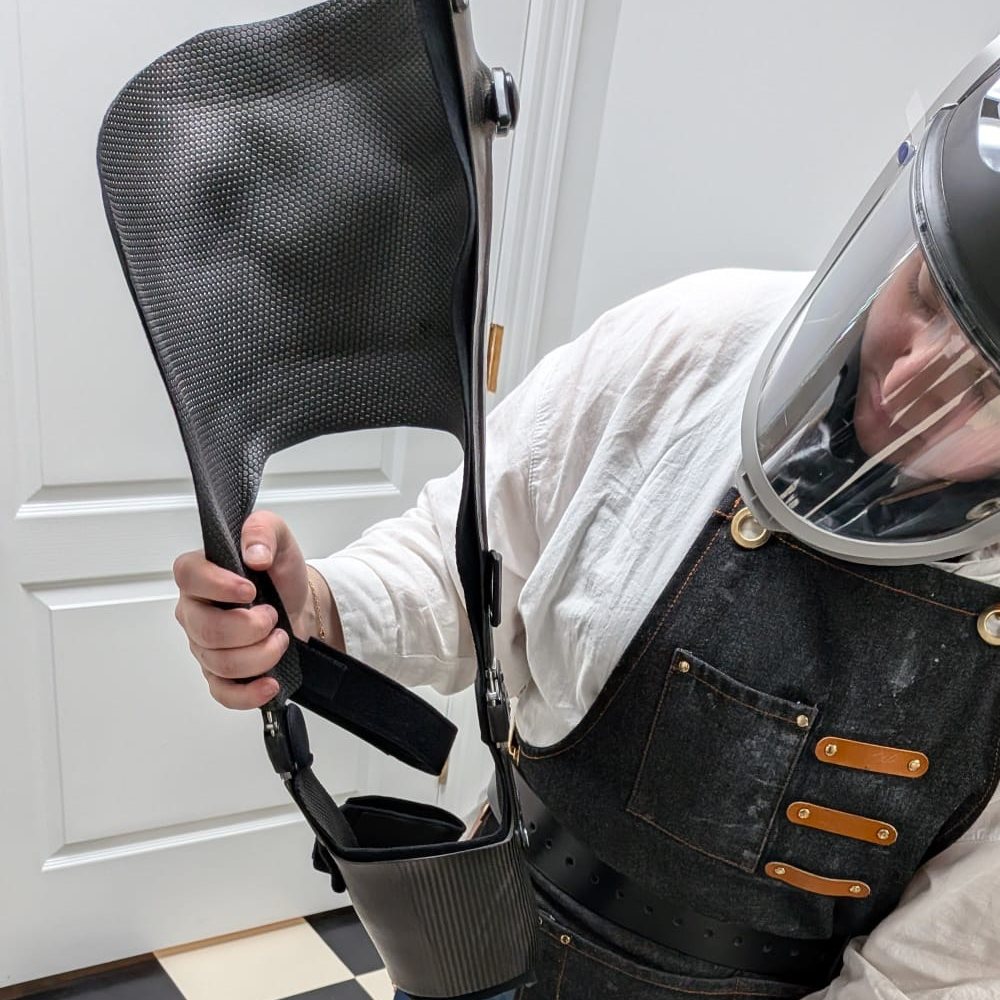
Light and strong. A lighter brace can be less tiring to wear all day. See how we make them.
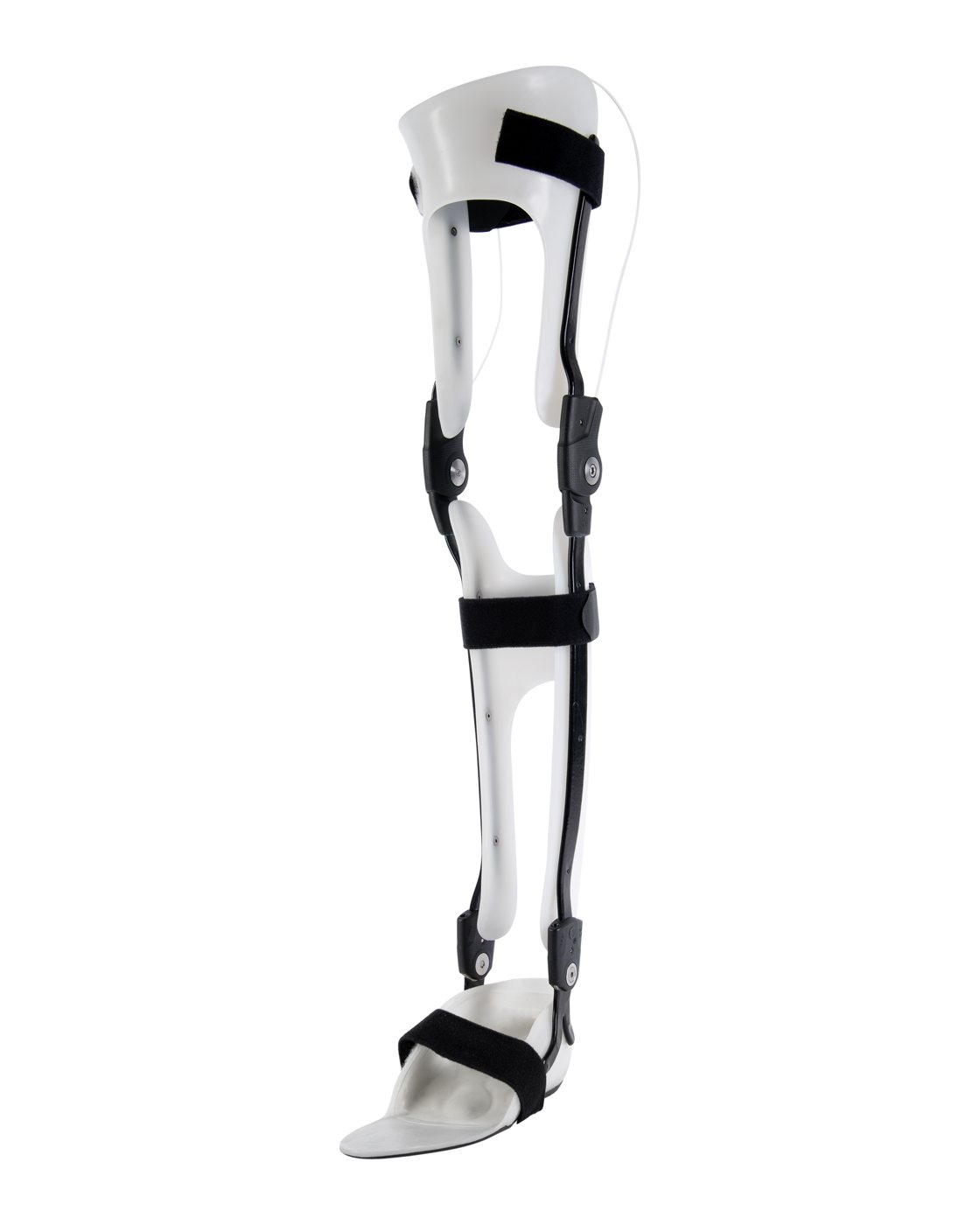
The traditional build: plastic shells with metal side bars and joints. Strong, and easy to adjust as your needs change.
Example photo: Ottobock
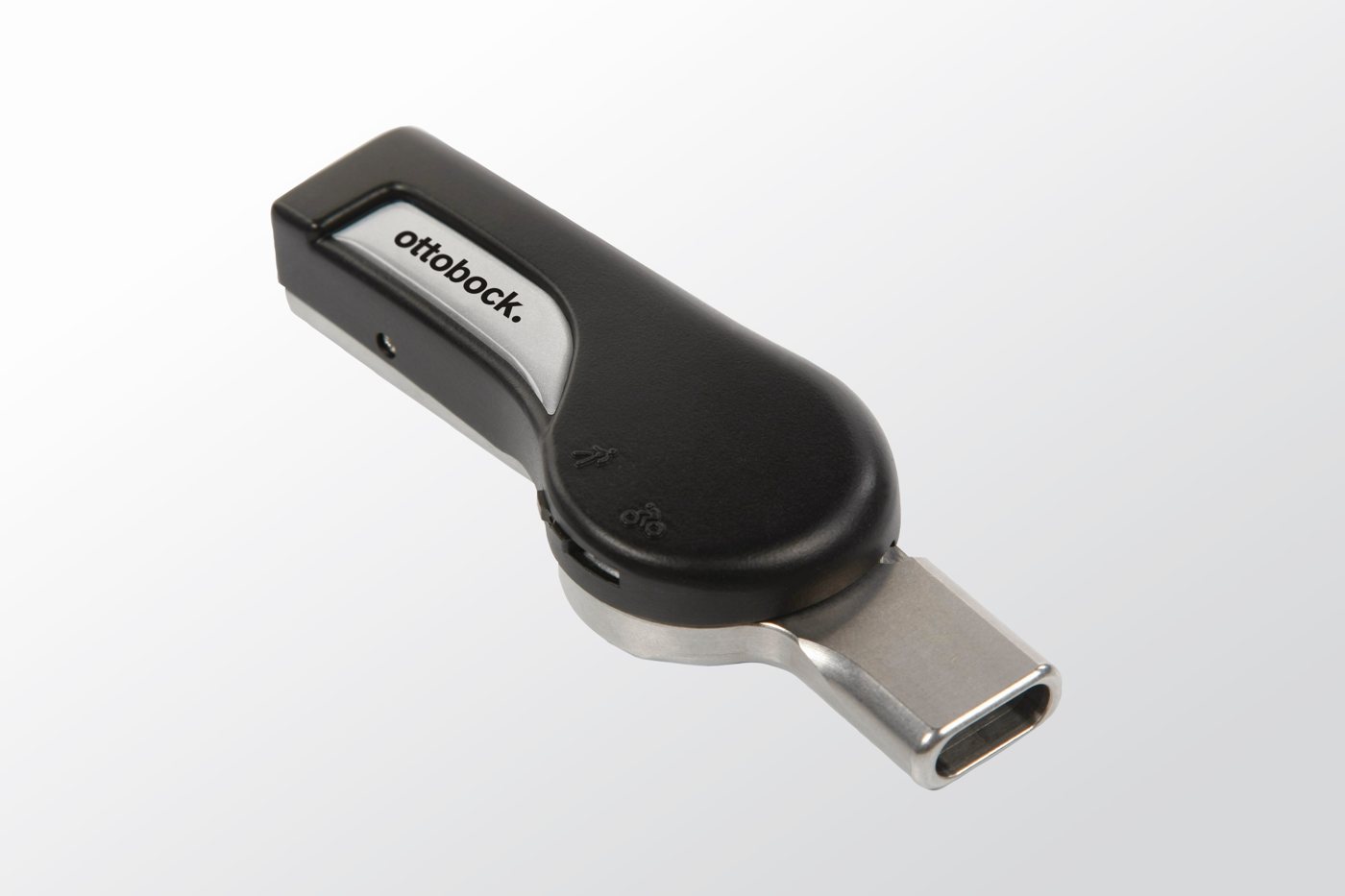
The knee locks while your foot is on the ground, then unlocks so the leg can swing. This can give a more natural step than a knee that stays straight. Some are mechanical and some are electronic.
Example knee joint: Ottobock
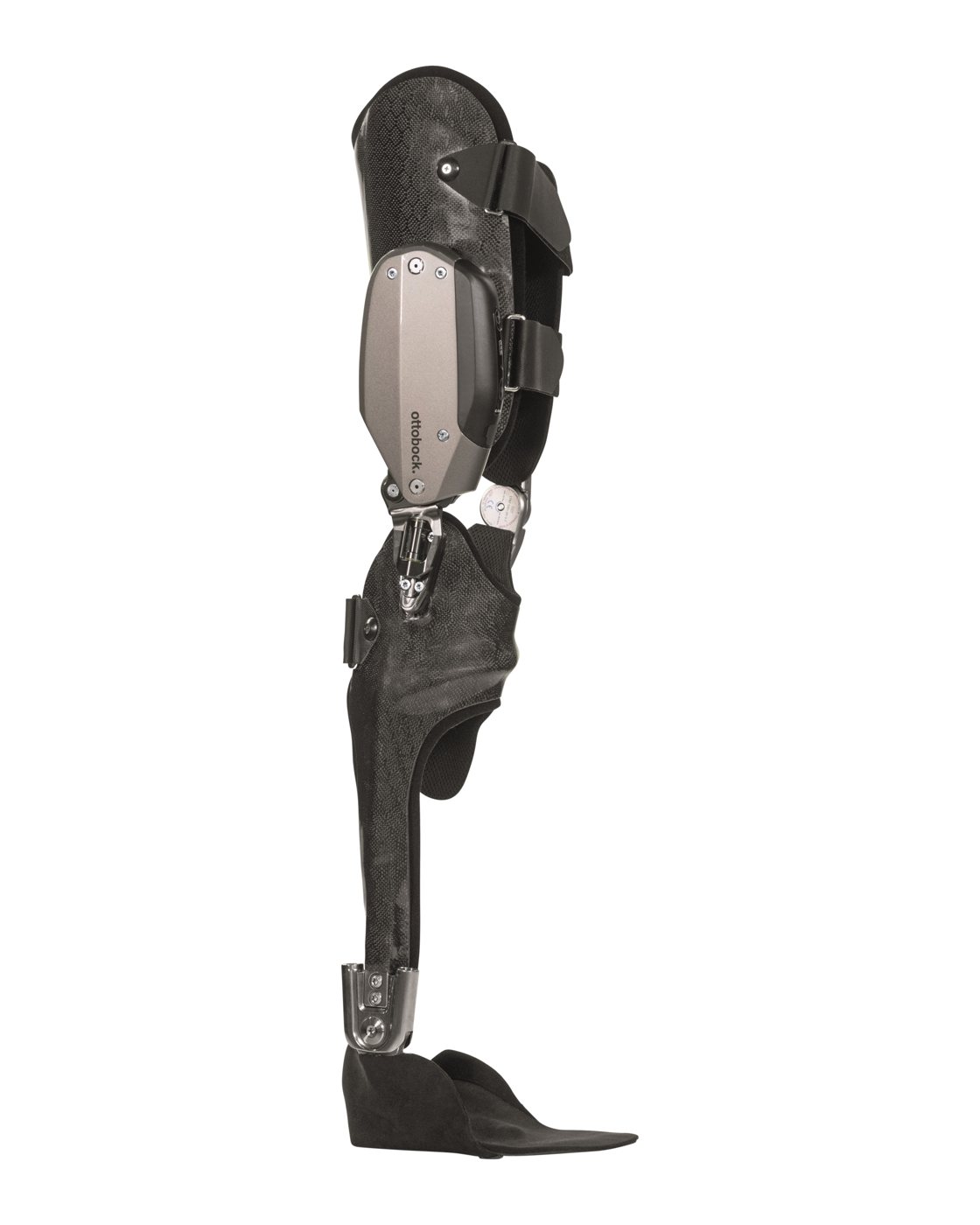
A microprocessor KAFO for adults. Sensors track the knee as you move, and a hydraulic unit controls how much it bends. It can let you bend the knee under your weight to sit down, walk on slopes and uneven ground, and go down stairs one foot after the other. It is not right for everyone.
Photo: Ottobock
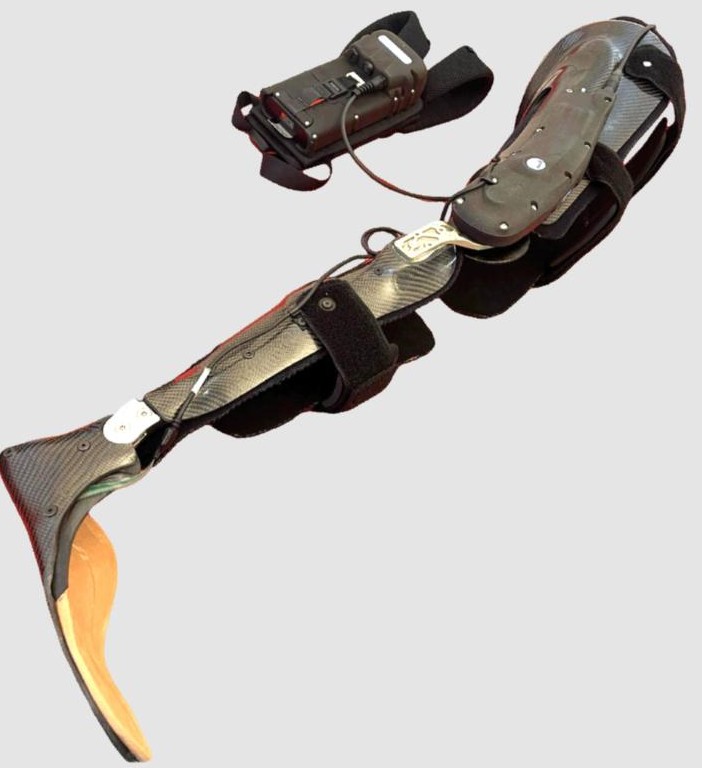
A smart KAFO with a small motor at the knee. It senses each part of your step. It can help straighten the knee when you stand on the leg, or push back gently to build strength. For people age 5 and up who can walk, such as with crouch gait from cerebral palsy or spina bifida.
Photo: Bionic Power
Need less support? An AFO may be enough. Need support at the hip too? Ask us about HKAFOs, which go up to the hip.
Our clinicians help you find the right amount of bracing. You get the support you need, and your muscles still do as much work as they can.
A KAFO is built from parts. There are many kinds of knee joints and ankle joints, and the right mix depends on you.
Your orthotist chooses the knee and ankle joints with you, based on your strength, balance, goals and daily life.
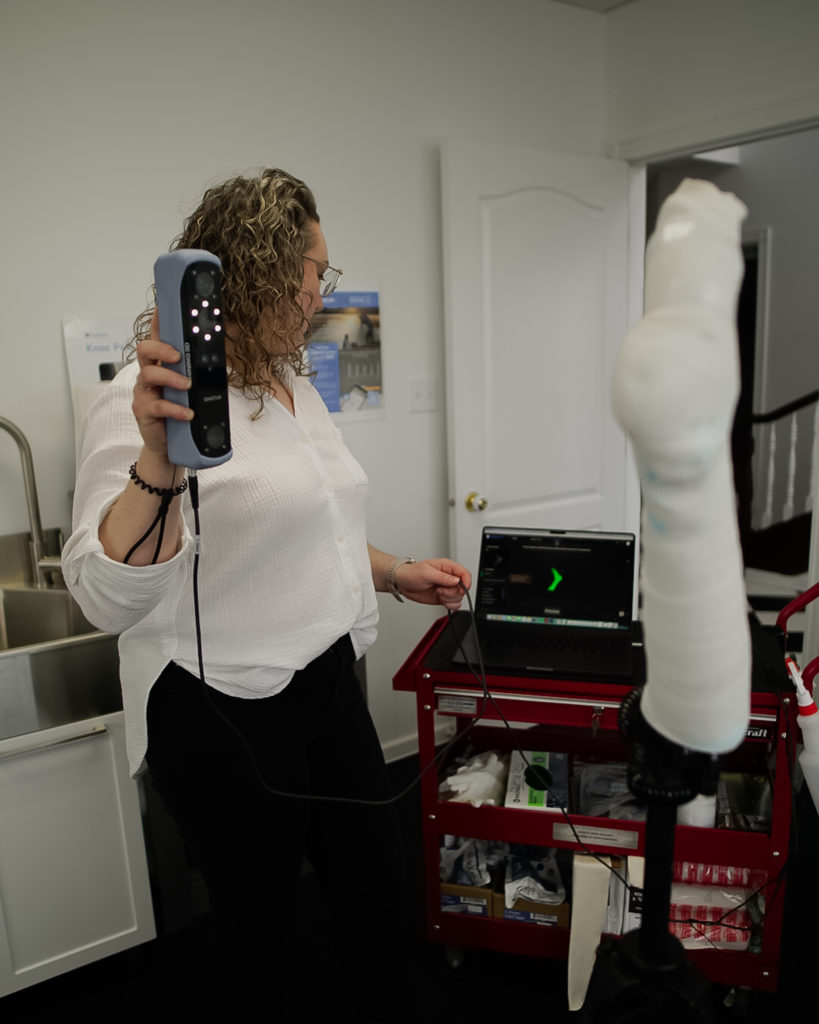
We test your strength, check how your knee and ankle move, and watch your balance and walking. Then we match the KAFO and its joints to your body and your goals.
We use 3D scanning and digital design, along with traditional casting and hands-on skills, so the brace fits the shape of your leg.
We work with your specialist, family doctor and physiotherapist.
Bodies change. As you get stronger, as a child grows, or if a condition changes over time, we adjust or change the brace to match.
Your KAFO treatment journey, step by step.
A custom KAFO needs a prescription from your doctor. You can book your consultation and assessment before you have one.
We talk about your condition, health history, daily life and goals. We test your muscle strength, check how far your knee and ankle move, and watch your balance and walking. Then we 3D scan or cast your leg.
We choose the KAFO and its joints with you, based on your assessment and funding. Some people try a trial brace first, such as for the C-Brace.
We fit the brace and check how it works when you stand, walk and sit. We show you how to put it on, how to lock and unlock the knee safely, and which shoes to wear.
Wean in slowly. Add about an hour of wear each day until you can wear it full time. We check in and adjust the brace as you go. If it hurts, rubs or feels loose, book an appointment and let us know.
We work with physiatrists, orthopedic surgeons, neurologists, pediatricians and family doctors.
To refer, use your own prescription pad or our online referral, and fax to 1 (306) 912-7807. Include the diagnosis, side, muscle strength and goals. We contact the patient to book.
A prescription is required before a KAFO is made and dispensed. For SAIL funding, the prescription must come from a specialist. For NIHB, SGI and WCB, a prescription from a family doctor is accepted.
Thinking about a C-Brace? Ottobock lists good candidates as people with knee instability from quadriceps weakness, a stable trunk, enough hip strength to swing the leg through, and no more than mild spasticity. A knee or hip flexion contracture over 10 degrees, or body weight over 275 lb, rules it out.
You can book a consultation and assessment without one. A prescription from your doctor is needed before a KAFO is made and dispensed. For SAIL funding, the prescription must come from a specialist.
Funding may come from SAIL, NIHB, SGI, WCB, Métis Nation–Saskatchewan, Veterans Affairs Canada or a private health plan. What is covered depends on your plan. We help you with the paperwork.
Usually, yes. Carbon fibre is light and strong, so a carbon KAFO is often lighter than one made of metal and leather. It is not right for every leg, so we check what works for you.
Yes. If your knee joint locks, you unlock it to sit. Stance control and microprocessor knees let the knee bend more easily when you sit down.
A shoe with a rocker sole and a firm heel. Choose lace-up or Velcro shoes with a wide toe box, and take out the insole. Always wear the brace inside a shoe. Never walk in socks or bare feet.
The C-Brace is for adults with a weak thigh muscle who meet the maker’s fitting guidelines. The Agilik is for people age 5 and up who can walk, such as with crouch gait. Neither is right for everyone. We assess you and tell you what fits.
Add about an hour of wear each day until you can wear it full time. Any discomfort should settle within two weeks. Check your skin every time you take the brace off. Redness should fade within 10 to 30 minutes. If it does not, call us.
A Certified Orthotist is a clinician trained in bracing. We find the support that fits your body and your goals.
Call or text 306-566-4666, or book a consultation online.